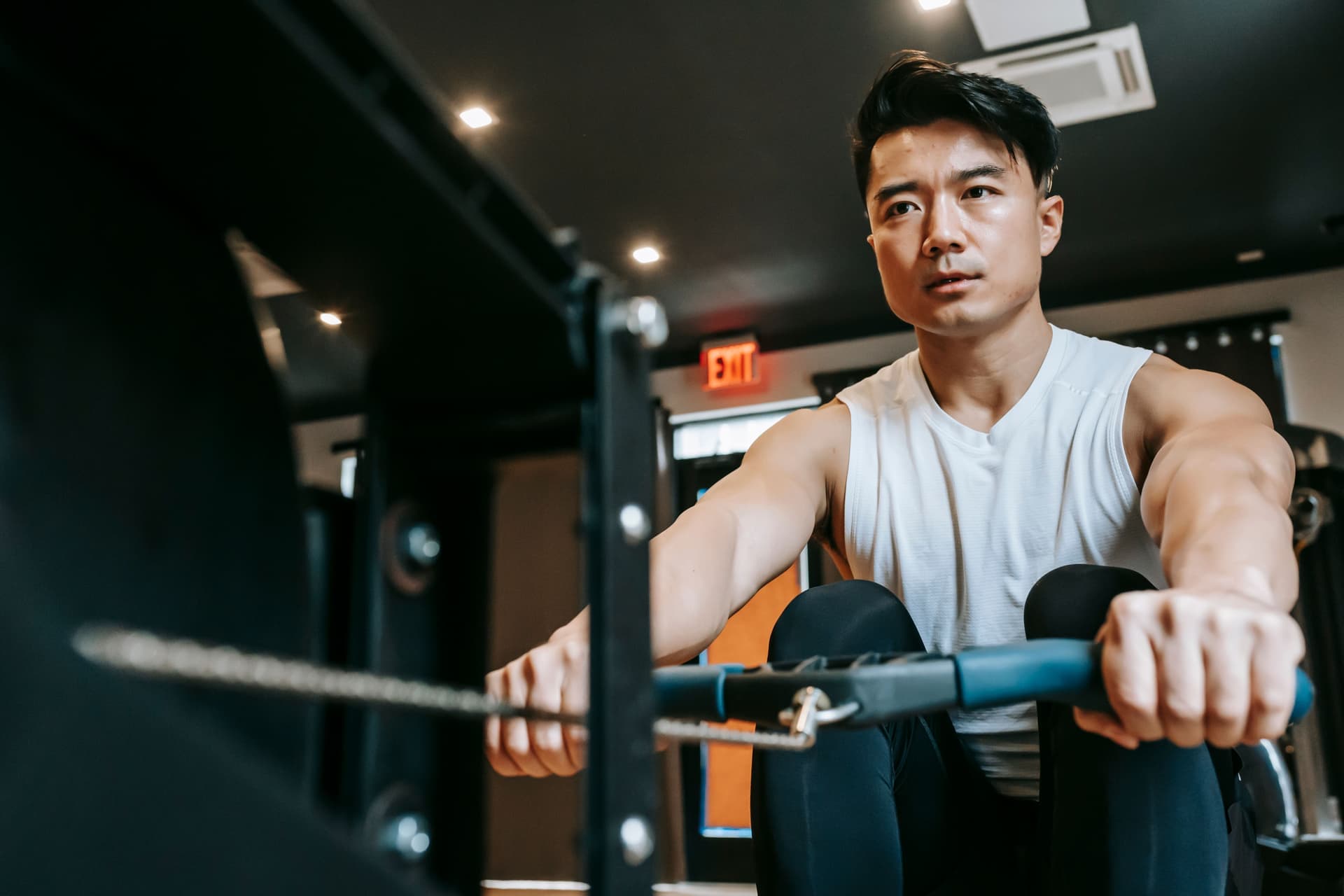
How to Recover After Rowing
The quiet half of training: cool-down, food, sleep and easy days that turn rowing into fitness.
Read the full pick →Before you buy
The questions that come before the purchase — space, noise, technique, and what the numbers on the monitor mean.
We earn a commission if you buy through the links on this page, at no cost to you. It has no effect on what we recommend or the order we recommend it in — we say “skip this one” on machines that pay us the same as the ones we like. How we’re funded.
These are the questions people ask before they spend the money, and most of them have answers that are more definite than the internet suggests.
Two of the guides here exist because the category will not answer them honestly.
Every listing tells you how long the machine is and stops. It is not the floor you need. At the catch your hands travel forward past the flywheel; at the finish you need room behind the seat; and your elbows go out at both ends.
Concept2 is the only manufacturer we found that publishes both figures — a 96-inch machine and a recommended 9 ft by 4 ft space. That is +12 inches of length and +24 inches of width, and we apply the same published relationship to every machine on this site, labeled as our arithmetic rather than a manufacturer’s. The full table is here, with square footage for every machine we can compute.
Search for how loud a rowing machine is and you will find confident decibel figures. None of them come from a manufacturer.
We checked all 17 brands on this site for a published noise rating on any model. We found zero. Every specific number in circulation was produced by a reviewer holding a phone at an unstated distance in a room you know nothing about.
So the noise guide publishes the gap and tells you what to decide on instead: resistance mechanism, rail covering, roller material, and the impact through your floor that a rubber mat fixes for a fraction of the price difference between any two machines.
Rowing has a short learning curve and a genuinely wrong way to do it.
The stroke is legs, then body, then arms on the drive — and arms, then body, then legs on the recovery. Roughly 60% of the power comes from the legs. Almost every beginner bends their arms too early, which takes the biggest muscles out of the chain and leaves the lower back making up the difference. That is where rowing gets its reputation for back trouble, and it is a technique problem rather than an inherent one. Ten minutes here is the highest-return thing a new rower can do.
The other classic error is the damper. The lever on an air rower’s flywheel housing is a vent, not a difficulty dial, and cranking it to 10 makes the catch heavy, drops your stroke rate and loads your back — while feeling like harder work. What it actually does is here.
“Erg”, “split”, “2k”, “drag factor” — rowing has its own words, and they are not gatekeeping so much as precision. Knowing what an ergometer actually measures tells you why a Concept2 split means something and a budget monitor’s calorie count does not.
Each one links to the roundup it supports, because a guide that answers a question and then leaves you nowhere is a dead end. The space guide points at the apartment picks; the noise guide points at the quietest machines; the technique guides point at the machines worth learning on.
112 pages
The quiet half of training: cool-down, food, sleep and easy days that turn rowing into fitness.
Read the full pick →
Using very easy, short rows on rest days to stay loose - and how it differs from a workout.
Read the full pick →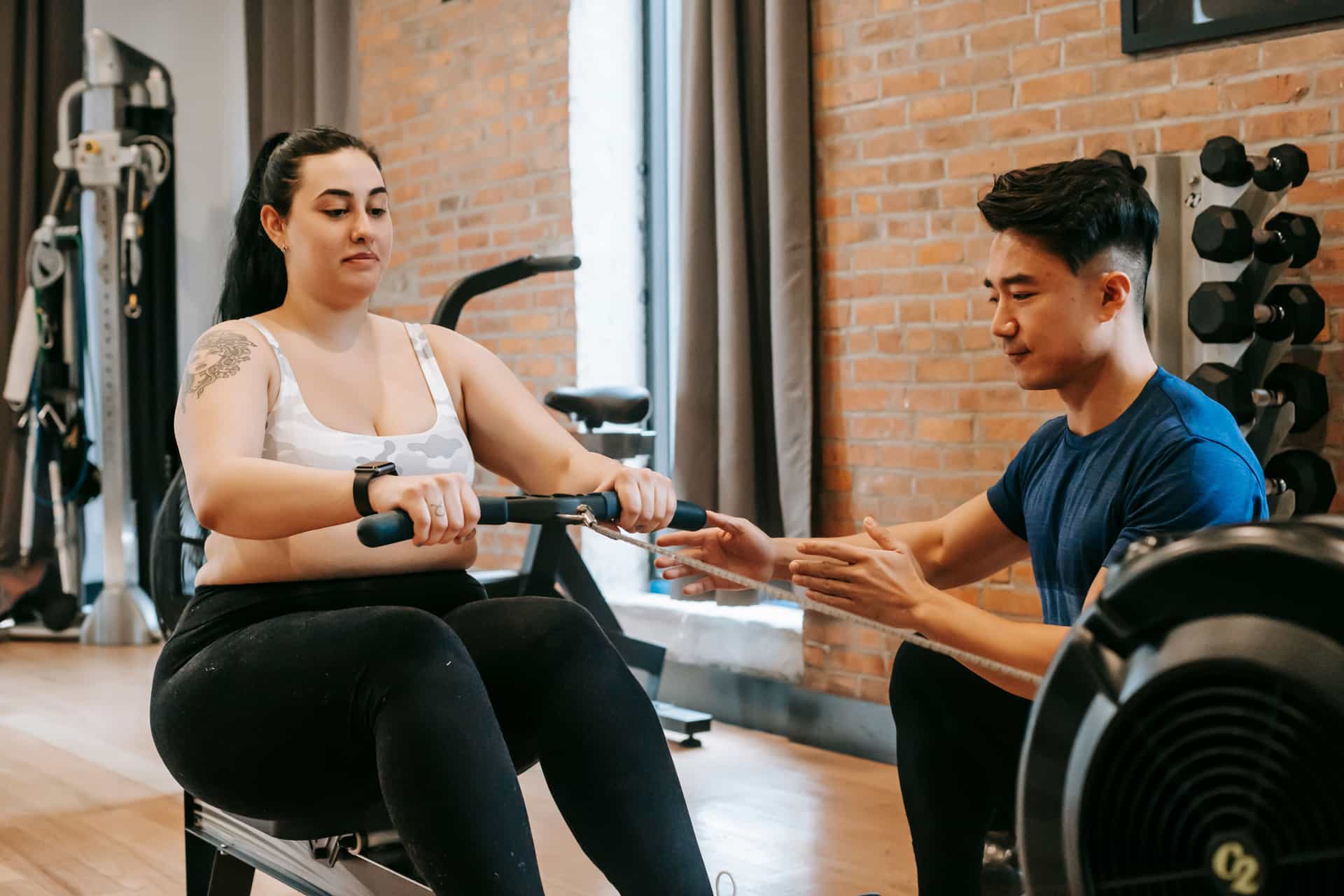
A simple post-row routine for the hips, hamstrings, back, lats and forearms rowing works hardest.
Read the full pick →Where to roll after a session, how to do it gently, and an honest look at what it does.
Read the full pick →
Telling normal muscle soreness from a form fault - and the pain that means stop.
Read the full pick →An honest, evidence-mixed look at percussive massage after rowing, and its real limits.
Read the full pick →What cold plunges after rowing can and cannot do, the mixed evidence, and a serious safety caution.
Read the full pick →A sensible month that starts short and easy, adds time before intensity, and builds a habit.
Read the full pick →One short, complete session with a steady option and an interval option for busy days.
Read the full pick →Short, near-maximum efforts with full recoveries - three sessions and how to hold your form.
Read the full pick →
The fit spec that matters most for taller rowers, and what to check on a spec sheet.
Read the full pick →How to oil an air-rower chain the right way, how often, and why belt drives need none.
Read the full pick →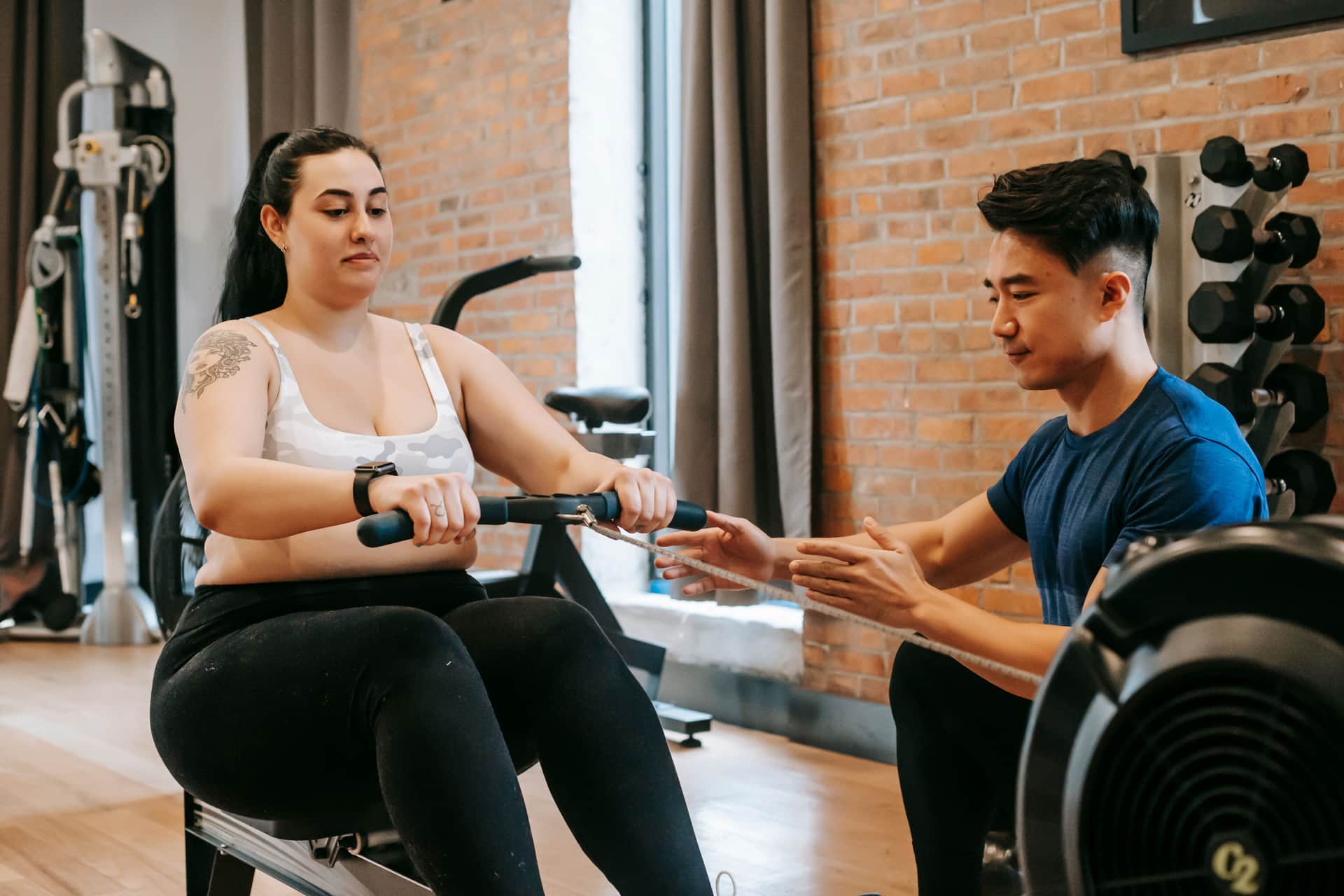
Keeping the tank clear with purification tablets, topping up, and changing the water.
Read the full pick →
The five usual causes of a squeak or clunk, how to isolate them, and the quick fix for each.
Read the full pick →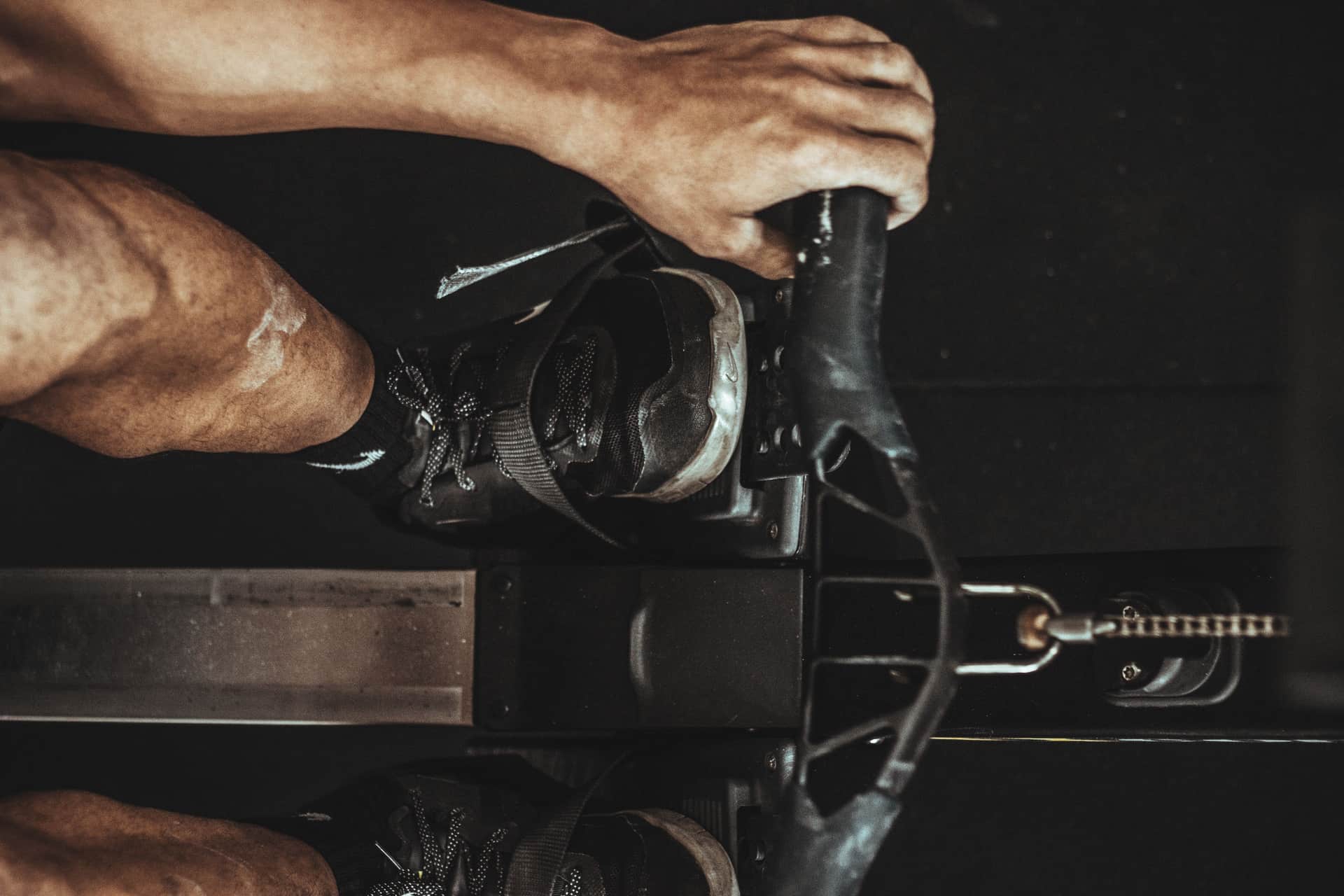
Spotting worn rollers, cleaning the rail, when to replace, and why parts availability matters.
Read the full pick →Half an hour in three clear phases: warm up, do the work, wind down.
Read the full pick →Pacing a 5,000m piece, negative splits, and the mental approach that gets you there.
Read the full pick →A longer endurance piece, and the pacing discipline that keeps it from falling apart.
Read the full pick →An interval ladder up and back down that builds speed and endurance at once.
Read the full pick →Twenty seconds on, ten off, eight times: short, brutal, and honest about it.
Read the full pick →The easy, conversational base most training should be built on, and how to gauge it.
Read the full pick →What rowing can and cannot do for size, and how to pair it with lifting.
Read the full pick →The drive is mostly legs; here is why beginners under-use them and how to fix it.
Read the full pick →Fitted shorts over loose ones, why the seat catches baggy legs, and what actually helps.
Read the full pick →Flat, firm soles over squishy running shoes, and when socks on the footplate are fine.
Read the full pick →Floor protection, noise and leveling, and who actually needs a mat and who does not.
Read the full pick →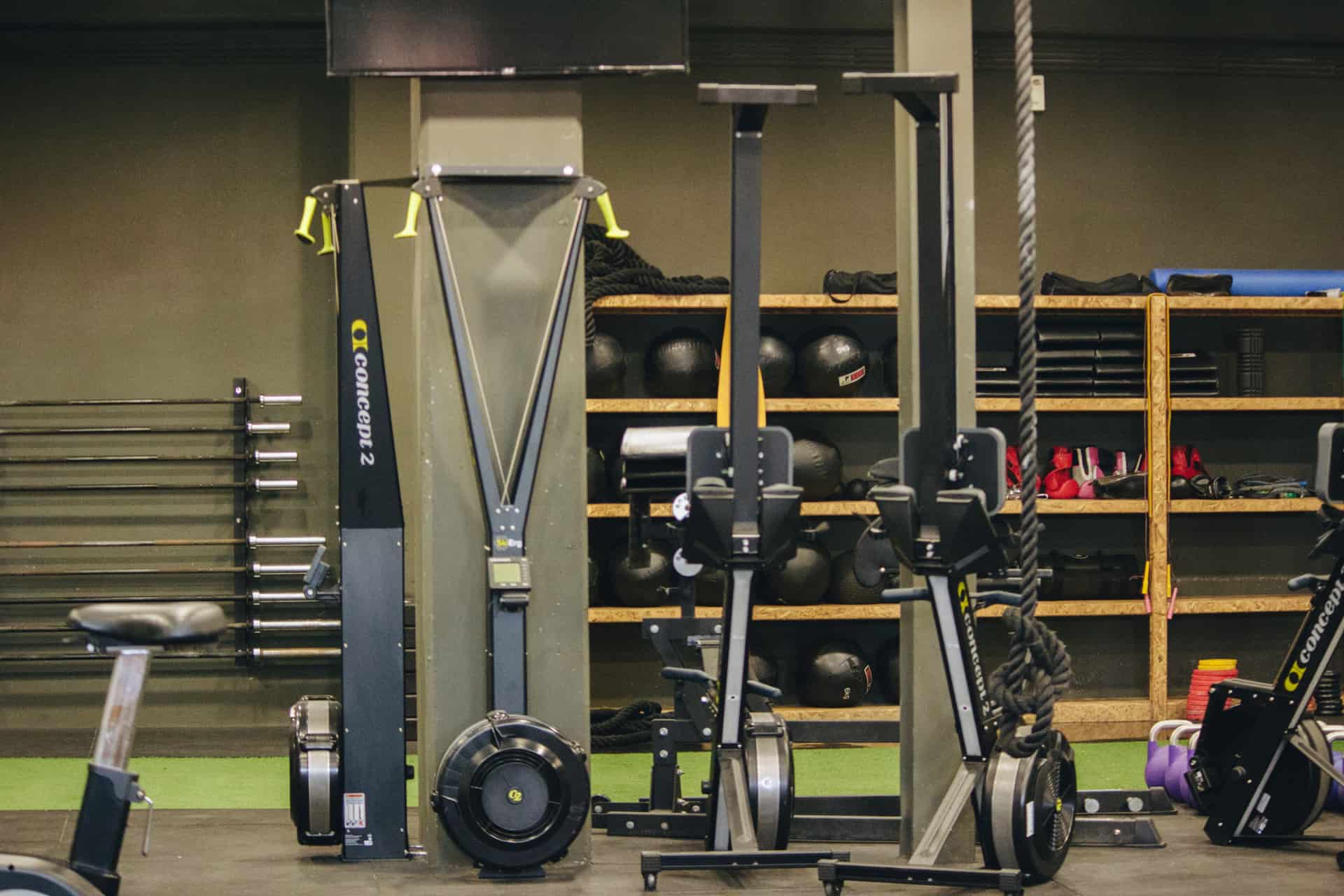
Build and resistance type decide it; air and water rowers last decades, cheap hydraulics do not.
Read the full pick →Frame versus parts versus labor, and the subscription-linked coverage on connected machines.
Read the full pick →The sport benchmark, how it varies, and why your own trend beats a stranger number.
Read the full pick →What the watts number means, and why it is the pace-neutral measure of your effort.
Read the full pick →Where the strap sits, how high the footplate goes, and the mistakes that cost you the drive.
Read the full pick →The published length is not the floor you need. Here is the clearance arithmetic, applied to every machine on this site.
Read the full pick →How the paddle-in-a-tank flywheel works, the whoosh, the upkeep — and who a water rower actually suits.
Read the full pick →Seat height and getting on and off, gentle adjustable resistance, and a legible monitor — the things that actually matter for an older body.
Read the full pick →What a published maximum-user-weight really tells you, the range across the category, and how a heavier or taller rower should shop.
Read the full pick →The honest answer — rowing is low-impact and full-body — plus the form errors behind most of the trouble, and how to avoid them.
Read the full pick →
When used is the smart buy and when it is a trap, plus the inspection checklist to run before any money changes hands.
Read the full pick →We checked every manufacturer on this site for a published decibel figure. We found zero. Here is what to use instead.
Read the full pick →The stroke is four positions in a fixed order, and almost every beginner gets the order wrong in the same way.
Read the full pick →Legs first, then back, then arms — and the roughly 60/20/20 split that explains why rowing feels like leg day.
Read the full pick →Why rowers call it an erg, what an ergometer actually measures, and why that word tells you which machine they mean.
Read the full pick →The lever on the flywheel is not a difficulty dial, and treating it like one is the most common mistake on an air rower.
Read the full pick →The stroke is four positions in a fixed order, and almost every beginner gets the order wrong the same way.
Read the full pick →A sensible first few weeks: technique first, steady minutes before intervals, consistency over intensity.
Read the full pick →What the number on the monitor means, why it is not stroke rate, and why it transfers between machines when a budget monitor's does not.
Read the full pick →Chain, monorail, batteries and storage — the small upkeep that keeps a RowErg running for decades.
Read the full pick →
The honest answer is yes, with trade-offs — and one tell that separates a decent budget machine from a bad one.
Read the full pick →Stroke rate is not effort, and chasing a high number is one of the most common ways to row worse.
Read the full pick →A simple, scalable interval session for any machine - work-to-rest ratios, damper and stroke rate.
Read the full pick →A realistic weekly plan for fat loss, and the honest context around calorie-burn claims.
Read the full pick →Purification tablets, when to change the water, and storage - the one bit of upkeep a water rower needs.
Read the full pick →A blank or frozen monitor is almost always the battery, the sensor gap or a loose wire - not a dead machine.
Read the full pick →High-end cardio with zero impact, and the posterior-chain work running neglects.
Read the full pick →Realistic session lengths by goal, how often per week, and why technique beats the clock at first.
Read the full pick →A five-minute on-the-machine warm-up that protects your back, plus the cool-down to match.
Read the full pick →Four decisions settle almost every purchase: where it lives, who can hear it, how long you keep it, and whether you pay monthly.
Read the full pick →The noise your neighbors hear is impact through the floor. A mat, placement and machine choice - what actually works.
Read the full pick →Yes - as a stabilizer and force-transfer link, not a crunch machine. How the core works in the stroke.
Read the full pick →Full-body, zero-impact conditioning that complements lifting, cycling and team sports - without overdoing it.
Read the full pick →No neighbors below and a concrete floor mean the air rower you would never put in a flat is often right here.
Read the full pick →The five mistakes almost every beginner makes - arms too early, damper too high, hunching, over-rating - and the fix for each.
Read the full pick →Full-body cardio with no impact that trains strength-endurance at the same time - and honest expectations.
Read the full pick →Standing on end, folding and separating compared - stored footprints and how to choose for your room.
Read the full pick →Rowing's benchmark test - faster times from a bigger base, race-pace intervals and honest pacing, not thrashing.
Read the full pick →Levels, dampers and mechanisms untangled - and why a big level count can mislead you.
Read the full pick →A sore seat is the most common reason people stop rowing - and it is almost always fixable.
Read the full pick →The zones, why most training should be easy, and how to pair a monitor with your rower.
Read the full pick →Not inherently - a rounded stroke or a rail too short for your legs is. Technique, fit and when to see a professional.
Read the full pick →Most arrive mostly assembled and take under half an hour - what to expect and the steps that trip people up.
Read the full pick →Full-body, zero-impact cardio that trains the muscles most machines ignore - and a few honest limits, so you know what you are buying.
Read the full pick →Every site quotes a confident number. None of them know your body. What actually drives the figure, and why we will not add another guess.
Read the full pick →Standing on end, folding and separating are not the same trick, and they leave very different footprints. Which machines do which.
Read the full pick →Drag factor is not the damper setting, and confusing the two is the most common mistake on an air rower. What it measures, and how to set it.
Read the full pick →Split, rate, watts, distance and calories - six numbers, and only some tell you what you think. What each means and which to watch.
Read the full pick →The small, regular upkeep that keeps any rower running for years - by resistance type, plus the rail, seat and bolt checks every machine needs.
Read the full pick →Erg, split, drag factor, SPM, the catch - every term on the monitor and in the sport, defined in one place.
Read the full pick →What to do in the few minutes after you stop rowing, and the stretches that matter.
Read the full pick →Blisters, grip and calluses on a rowing machine, and how to keep your hands off the injury list.
Read the full pick →How many days a week, why rest matters as much as the rowing, and the mistake beginners make.
Read the full pick →The buy-versus-subscribe arithmetic, once the machine's own subscription question is honest.
Read the full pick →When to breathe out, why most beginners hold their breath on the drive, and how to fix it.
Read the full pick →Rowing is cardio first, with a real strength-endurance edge - but it is not resistance training in the muscle-building sense. What it is, and is not.
Read the full pick →Rowing works your core hard, but visible abs come from low body fat, not crunches. What rowing does for your midsection, and what it will not do.
Read the full pick →Done well, rowing strengthens the upper-back and postural muscles a desk job lets go slack. Done with a rounded back, it reinforces the problem.
Read the full pick →Rowing burns fat, but not from one chosen spot - belly fat goes when overall body fat does. Why spot reduction is a myth, and how rowing helps.
Read the full pick →Rowing is low-impact and non-weight-bearing, so it is usually gentle on knees - the trouble comes from a high damper or over-compression, not the machine.
Read the full pick →The very thing that makes rowing kind to your joints also makes it a weaker bone-building stimulus than weight-bearing exercise. The honest trade-off.
Read the full pick →For general fitness a rower alone covers a lot - full-body cardio plus muscular endurance. Where it falls short, and what to add if you want more.
Read the full pick →ErgData, Kinomap, Zwift and Apple Fitness+ - what each app does, which machines connect over Bluetooth, and when a free app beats a paid membership.
Read the full pick →Yes - rowing is both low-impact and non-weight-bearing, which is why it suits sensitive joints better than running. What those terms mean, and the one caveat.
Read the full pick →Rowing is efficient full-body cardio that supports weight loss - but only inside a calorie deficit. What rowing does, and what your diet must do.
Read the full pick →A full-motion rower has swinging arms like oars instead of a single handle on a cable. How it differs, what it is good at, and its limits.
Read the full pick →Erg training builds the fitness and leg drive that transfer straight to a boat - but it cannot teach balance, blade work or steering. What carries over.
Read the full pick →Find the erg, set the damper, strap in and read the monitor - a walkthrough for the gym rower, plus a first workout and basic etiquette.
Read the full pick →Rowing's low-impact, non-weight-bearing stroke and controllable range make it well suited to arthritic joints - with the right setup. Equipment, not medical advice.
Read the full pick →A floor mat, a seat cushion, a heart-rate strap and grip care solve the most common rowing complaints. The accessories that earn their place.
Read the full pick →Rowing is strong aerobic exercise that trains the heart and lungs like any good cardio - how it helps cardiovascular fitness, and the honest limits.
Read the full pick →Yes, but less than it looks - roughly ten percent arms. What the lats, rear delts and grip actually do, and the honest ceiling on it.
Read the full pick →Some rowers need a mains socket and some are powered entirely by you - which is which, read straight off the registry, and why it decides where the machine can live.
Read the full pick →Lift first if strength is the goal, row first if rowing is - and the short version of why the order matters less than most people think.
Read the full pick →Why a rower is one of the easiest machines to hold an easy pace on - and the two monitor numbers that tell you whether you actually are.
Read the full pick →Concept2 publishes a VO2max estimator built on gas-analysis data: a 2 km time and a body weight. What the number is worth, and how to move it.
Read the full pick →No - six hundred strokes at a repeatable force is the opposite of what builds size. Where the physique in the photograph actually comes from.
Read the full pick →Both, in that order - a leg push that becomes an arm pull. Which is why the rower belongs on leg day rather than pull day.
Read the full pick →Whichever you choose, which is the point of a rower. The CDC thresholds, the talk test, and the two monitor numbers that settle it.
Read the full pick →Four causes account for almost every pairing failure, and only one of them is a broken monitor. What to check, in order.
Read the full pick →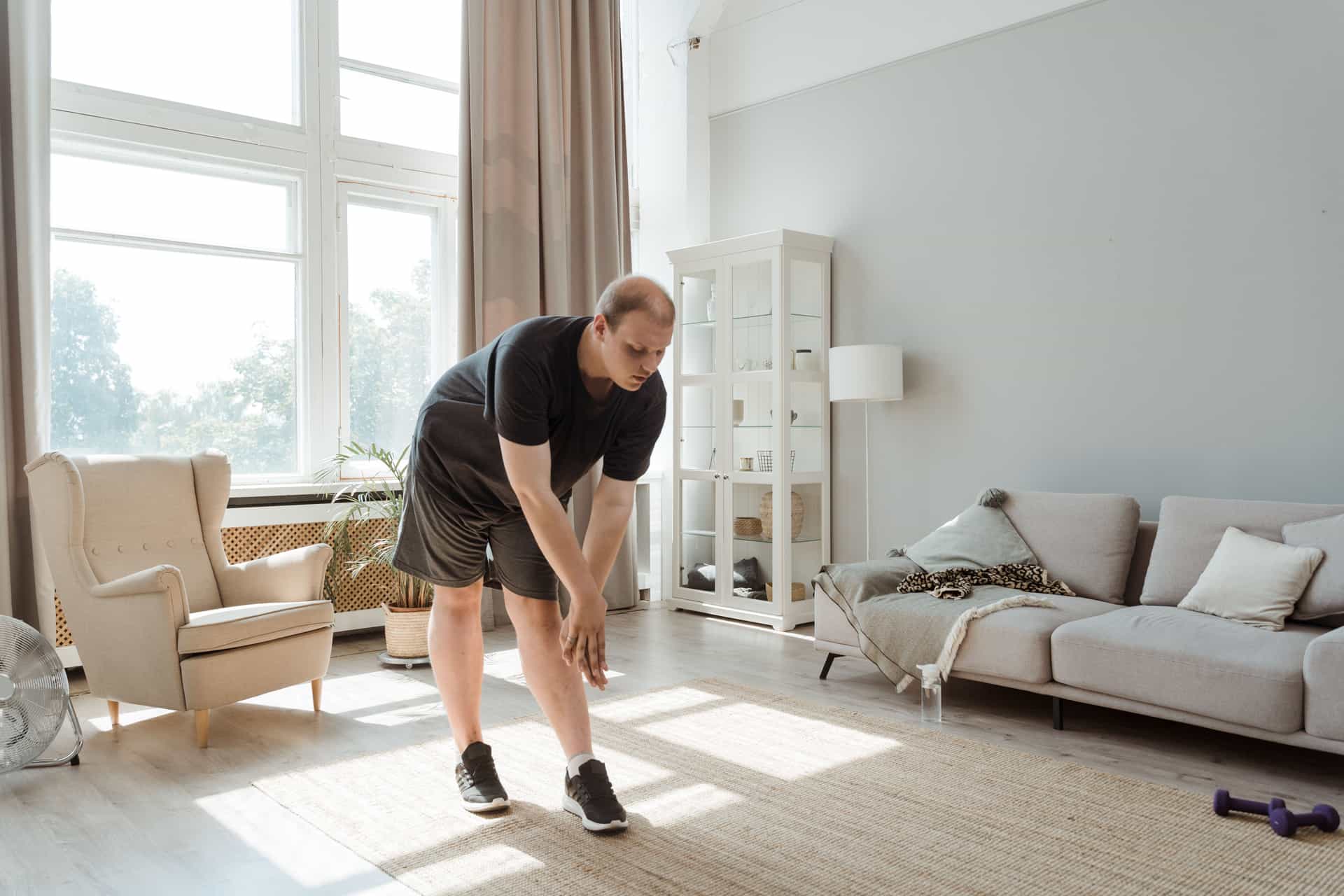
Yes, with a mat - and the damage runs the other way from what people expect. The carpet is fine; the stability and the seat rail are not.
Read the full pick →None, and that is not pedantry. A rower is measured in distance, time and pace, and the thing that replaces a set is an interval.
Read the full pick →Your 500 m split, doubled. That is the whole arithmetic - plus the world record for scale and the pacing mistake almost everyone makes.
Read the full pick →Nobody publishes a resale index for this category, so we will not invent one. Start from the live new price and work down through four checks.
Read the full pick →A RowErg needs almost nothing - but Concept2 sells several of the parts that matter cheaper than Amazon does, and we say which.
Read the full pick →Seven frames, forty-five years, and names that do not run in a straight line. The published production years and how to identify each one.
Read the full pick →Before you buy
Nothing on these pages is medical advice. Rowing is low impact and generally well tolerated, and several of these guides touch on knees, backs and heart rate — but nobody writing this holds a clinical qualification of any kind, and we do not pretend to.
If you have an existing knee, back or heart condition, talk to a doctor before starting. Where a guide makes a physiological claim it cites where the claim comes from, and where a manufacturer makes one we cannot verify, we say that we are reporting it rather than confirming it.
Straight answers
Yes, with one caveat: the stroke has a sequence, and getting it wrong loads your lower back. It is legs, then body, then arms on the drive, reversed on the recovery. Ten minutes learning that is the highest-return thing a new rower can do. Once it is right, rowing is low impact, full body and unusually easy to keep doing.
Add about a foot to the published length and about two feet to the published width - the relationship Concept2 publishes between its 96-inch machine and its recommended 9 ft by 4 ft space. A compact 58-inch machine works out at roughly 5.8 ft by 3.5 ft of clear floor.
No manufacturer publishes a decibel figure. We checked all 17 brands represented across our 34 machines on 24 July 2026 and found zero. What is knowable is the mechanism: magnetic makes no sound at all, water makes a low-frequency whoosh, and air is a fan that produces broadband noise which carries.
Between 3 and 5 on an air rower. The damper is a vent controlling how much air reaches the flywheel - it changes the character of the stroke, not the difficulty of the workout. Setting it to 10 makes the catch heavy, drops your stroke rate and loads your lower back, which feels productive while producing a worse session.
Roughly 60% legs, 20% core and back, 20% arms. Quads, glutes and calves on the drive; spinal erectors, hamstrings and core through the middle; lats, rhomboids and biceps at the finish. It is one of very few cardio machines that meaningfully loads the posterior chain.
Show your working