Recovery
How to Cool Down After Rowing
Stopping dead at the end of a hard piece is the wrong move. An easy paddle down and a few gentle stretches do the job in five minutes.
We earn a commission if you buy through the links on this page, at no cost to you. It has no effect on what we recommend or the order we recommend it in — we say “skip this one” on machines that pay us the same as the ones we like. How we’re funded.
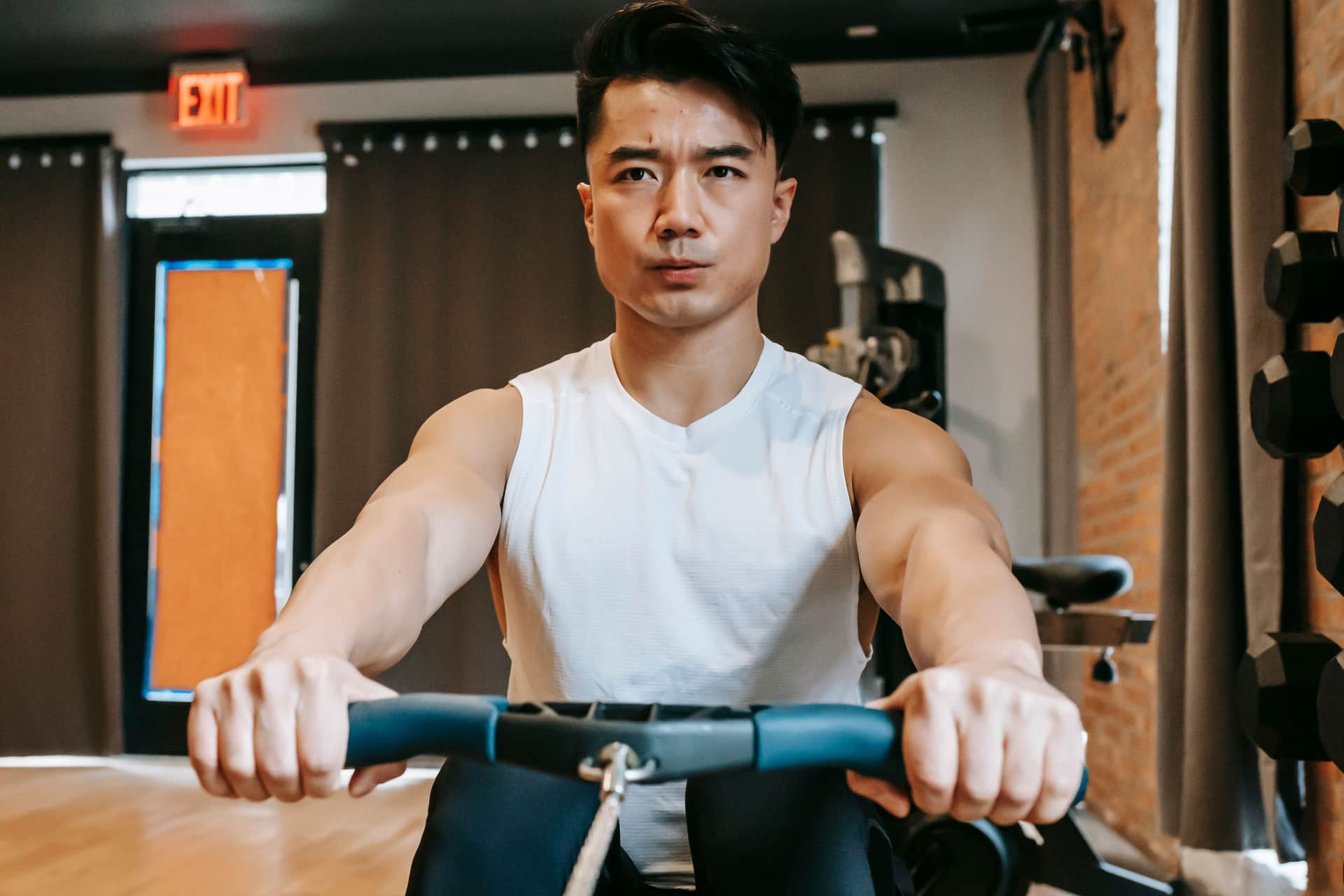
The cool-down is the part of a rowing session people skip first and miss least — right up until the day their legs seize on the walk to the kitchen. It costs about five minutes, it needs no equipment beyond the machine you are already sitting on, and it is the difference between finishing a session and simply abandoning it.
Why you should not just stop
During a hard row your heart is pumping fast and a lot of blood is out in your working legs. Stop dead and stand up, and that redistribution has to happen all at once, which is why people occasionally feel light-headed at the end of a flat-out piece. Easing down over a few minutes lets your heart rate, breathing and circulation come back to baseline gradually instead of slamming to a halt.
A gentle wind-down also helps you move the by-products of hard effort out of the muscles you just worked, and it marks a clean end to the session — a small ritual that, over weeks, is part of what keeps you coming back rather than dreading the finish.
The paddle down: three to five minutes
“Paddling” is rowing’s word for rowing very easily. When your last hard stroke is done, do not lift your hands off the handle — keep going. Drop your stroke rate, take the pressure out of the drive, and row at a pace where you could hold a full conversation. Most monitors, including the Concept2 PM5, have a “just row” mode that is perfect for this: no target, no interval, just an easy few minutes.
Three minutes is enough after a moderate session; five is better after a hard one. You are aiming to arrive at the end feeling like your breathing has settled and your legs are your own again, rather than stepping off with your heart still hammering. A useful check: if you could comfortably hold a conversation through the last minute of the paddle, you have eased down far enough.
Stretches for the muscles rowing uses
Once you are off the machine, spend a few minutes on the muscles the stroke leans on hardest. Rowing works the legs most, so give them the most attention, then move up the chain.
Legs.Gently lengthen the quadriceps, hamstrings and calves — the muscles that drive every stroke. Ease into each stretch until you feel a mild, comfortable pull, hold it while breathing normally, and stop well short of anything sharp.
Hips and lower back. The hips and spine do the linking work between your legs and the handle. A slow forward fold, a gentle seated twist or an easy hip-flexor stretch all help these areas unwind after being loaded stroke after stroke.
Shoulders and upper back.Roll the shoulders, open the chest, and gently stretch across the upper back — the muscles that draw the handle in at the finish.
Forearms and wrists. They grip the handle for the entire session and are easy to forget. A gentle wrist and forearm stretch on each side loosens them and is worth building into the habit. More on looking after your hands and grip.
There is no need to hold anything for a long time or push into discomfort. Easy, brief and consistent beats occasional and aggressive.
When a cool-down matters most
The harder and more sudden the session, the more the wind-down earns its keep. After a flat-out sprint, a 2k test or a set of short, sharp intervals, your heart rate is high and a lot of blood is pooled in your legs, and that is exactly the moment when stopping dead and standing up feels worst. Those are the sessions where the paddle down is least optional.
After a long, easy row you can get away with a shorter version, though even then a minute or two of gentle paddling is a kinder way to finish than lifting your hands straight off the handle. The end of a session is also the moment your muscles are at their warmest and most pliable, which makes it a better time to stretch than a cold start would be. If you only ever fit stretching in once, the end of a row is the place to do it — the warm-up is for waking the body up, and the cool-down is for letting it down gently.
Build it into the session rather than treating it as an optional extra, and it stops being something you have to remember and becomes simply how a row ends.
Soreness, and the point of doing this at all
A cool-down will not erase muscle soreness the way some people hope — a little stiffness a day or two after a harder-than-usual session is normal, especially when you are new to rowing or coming back after a break. What the routine does is help you finish each session feeling settled rather than wrung out, which makes the next one easier to start. And starting the next one is the whole game. Which muscles the stroke actually works explains where you will feel it.
If any of this is going to be a regular part of your week, it is worth having a machine you actually want to sit on for those extra few minutes. Our beginner picks are ranked with that in mind.
This is general information, not medical advice — talk to a doctor before starting, and especially if you have any existing joint, back or heart condition, or if a stretch causes pain rather than mild tension.
Straight answers
Questions people actually ask
Do I really need to cool down after rowing?
For an easy session it matters little. After a hard piece it is worth the few minutes: easing your heart rate and circulation down gradually, rather than stopping dead and standing up, is why some people feel light-headed at the end of an all-out effort and others do not. It also gives the session a clean, repeatable ending.
How long should a rowing cool-down be?
About three to five minutes of very easy paddling on the machine, followed by a few minutes of gentle stretching. Three minutes of paddle is enough after a moderate row; five is better after a hard one. Aim to finish with your breathing settled rather than still racing.
What is paddling on a rowing machine?
Paddling is rowing very easily - low rate, almost no pressure, a pace you could hold a conversation at. It is the ideal way to cool down: keep the handle in your hands after your last hard stroke and simply ease off rather than stopping. Most monitors have a 'just row' mode that suits it perfectly.
What should I stretch after rowing?
Start with the legs, since rowing is mostly legs - quadriceps, hamstrings and calves. Then move up the chain to the hips and lower back, the shoulders and upper back, and finally the forearms and wrists, which grip the handle throughout. Hold each stretch to mild tension only, and never force or bounce.
Will cooling down stop me being sore?
Not entirely. Some stiffness a day or two after a harder-than-usual session is normal, particularly when you are new to rowing. A cool-down helps you finish feeling settled rather than wrung out, which makes the next session easier to start, but it is not a cure for soreness. This is general information, not medical advice.
Show your working
Sources
- Concept2 — Compare indoor rowers (official specifications)Accessed 2026-07-24. https://www.concept2.com/indoor-rowers/compare
- Concept2 RowErg - PM5 'just row' mode specificationAccessed 2026-07-24. https://www.amazon.com/dp/B00NH9WEUA?tag=t5fitness-20
- Row & Recover - how we pickAccessed 2026-07-24. https://rowandrecover.com/methodology
Keep going
Read next
- Recovery after rowingWhat to do off the machine once the session is done.
- How to warm up before rowingThe other bookend of a session.
- What muscles rowing worksWhere you will feel it, and why.
- How to use a rowing machineThe stroke, in four positions.
- Rowing machine hand careLooking after the grip that does the holding.