Accessories
Rowing Machine Accessories Worth Buying
Most rowing complaints - a sore seat, floor noise, blistered hands - have a cheap fix. Here are the accessories that actually earn their place, and the ones that do not.
We earn a commission if you buy through the links on this page, at no cost to you. It has no effect on what we recommend or the order we recommend it in — we say “skip this one” on machines that pay us the same as the ones we like. How we’re funded.
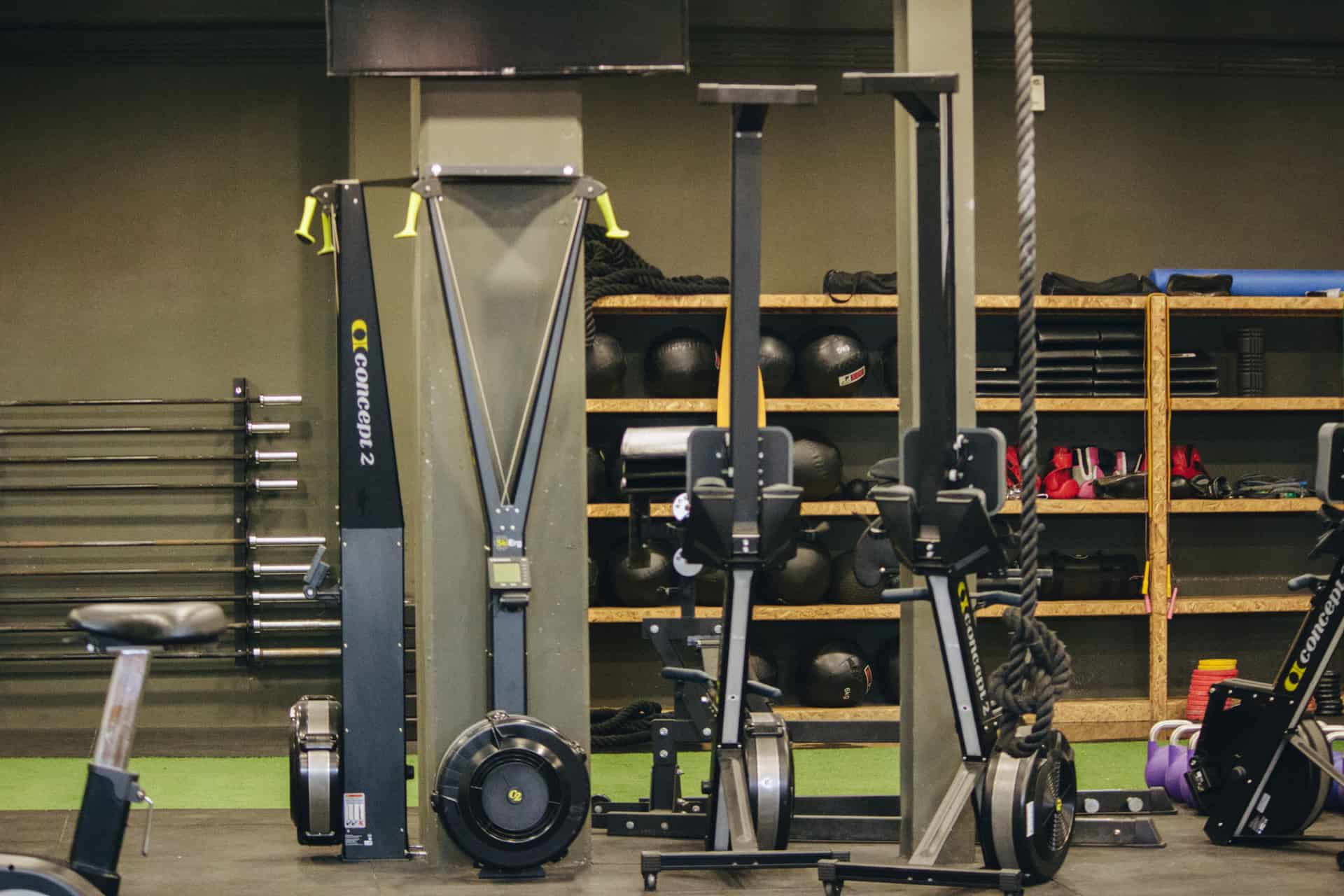
Rowing machines need almost nothing to work well, which is one of the quiet pleasures of the category. But a handful of cheap add-ons solve the complaints that actually make people quit — a sore backside, floor noise, blistered hands. Two accessories earn their keep for nearly everyone; a couple more are worth it for a specific problem; and a surprising amount of what gets sold alongside a rower is optional at best. Here is the honest sort, by category rather than by brand, because the right version depends on your machine and your floor.
A floor mat (the one nearly everyone needs)
If you buy one thing, buy a mat. It does three jobs at once: it protects your floor from the machine’s feet and from sweat, it levels a rower on carpet or an uneven surface so it does not rock, and — the part your household will thank you for — it deadens the low impact noise that travels through the floor to the room below. Even a near-silent magnetic rower thumps a little at the catch, and a dense rubber mat is what a downstairs neighbor actually notices the absence of. Whether you truly need one, and what to look for, is here — but for most homes the answer is yes.
A seat cushion or pad
The single most common reason people stop rowing is not boredom or injury — it is that the seat gets uncomfortable before the workout does. Rower seats are hard and contoured for the stroke, not for a long sit, and tender sit-bones will end a session early. A gel or foam seat pad costs a few dollars and fixes it outright, letting you row longer without shifting and squirming. It is the highest-return accessory after the mat. The full fix for an uncomfortable seat is here, including the technique changes that help before you spend anything.
A heart-rate monitor
Worth it if you train by intensity, skippable if you just want to move. A monitor turns vague effort into a number, which is the whole point of zone training — keeping most of your work genuinely easy instead of accidentally hard. A chest strap is more accurate than an optical wrist reader for the fast changes rowing produces, and most rowing monitors pair with one over Bluetooth or ANT+ so your heart rate shows on the machine’s screen. If you already own a watch, start there before buying a strap. How to actually train in zones on a rower is here.
Grip and hand care
New rowers often blister before they build calluses, and the instinct is to buy gloves. Gloves work, and a light pair can help if your hands are sensitive, but they are not the first fix — technique is. Most blisters come from over-gripping and from twisting the wrist to feather the handle; loosen the grip, let your legs drive, and the hands settle down on their own. Tape is a cheaper, lower-bulk alternative to gloves for a single hot spot. The full guide to grip, blisters and calluses is here, and it starts with the free fixes.
Storage and cleaning odds and ends
A few small things earn a place depending on your machine. If you own a water rower, the tank needs occasional purification tablets to keep the water clear — a genuine consumable, not an upsell. A chain-drive air rower like the standard gym erg benefits from a light chain oiling now and then to stay smooth and quiet. A small towel and a spray bottle of gentle cleaner keep sweat off the seat rail and monitor. And a phone or tablet holder is a cheap way to follow a video or a workout if your machine does not have its own screen. None of these are essential; all are minor.
What you can skip
Plenty of accessories exist mostly to be sold. You rarely need a branded rowing-specific water bottle, a dedicated cover for an indoor machine, or a heavy equipment mat marketed at triple the price of a plain rubber one that does the same job. Resistance-band add-ons and elaborately padded “rowing gloves” are optional at best. The honest shortlist is short: a mat and a seat pad for almost everyone, a heart-rate strap if you train by zones, and hand care if your palms complain. Spend there, and skip the rest until a real problem tells you otherwise.
Straight answers
Questions people actually ask
What accessories do you need for a rowing machine?
Two earn their place for nearly everyone: a floor mat to protect the floor, level the machine and cut impact noise, and a seat cushion to fix the sore backside that ends most sessions early. Beyond those, a heart-rate strap is worth it if you train by intensity, and hand care helps if your palms blister. Most other accessories are optional.
Do you need a mat under a rowing machine?
Usually yes. A dense rubber mat protects your floor from the feet and from sweat, levels the machine on carpet or an uneven surface, and deadens the low impact noise that travels to the room below. Even a near-silent magnetic rower benefits, because it is the floor-borne thump, not the flywheel, that a downstairs neighbor hears.
Do you need gloves for rowing?
No - gloves are optional. A light pair can help if your hands are sensitive, but the first fix for blisters is technique: loosen your grip, let your legs drive, and stop twisting the handle. Tape is a cheaper alternative for a hot spot. Most rowers build calluses over time and stop needing anything at all.
Is a heart-rate monitor worth it for rowing?
For zone training, yes. A monitor turns vague effort into a number so you can keep most of your work genuinely easy instead of accidentally hard. A chest strap is more accurate than an optical wrist reader for rowing's quick changes, and most rowing screens pair with one. If you just want to move, you can skip it.
Show your working
Sources
- Concept2 — Compare indoor rowers (official specifications)Accessed 2026-07-24. https://www.concept2.com/indoor-rowers/compare
- Concept2 - Training and technique resourcesAccessed 2026-07-24. https://www.concept2.com/training
Keep going