Training
Heart Rate Training on a Rowing Machine
Rowing is one of the best tools for heart rate training, because it loads so much muscle evenly. Here is how the zones work, and why most of your rowing should be easier than you think.
We earn a commission if you buy through the links on this page, at no cost to you. It has no effect on what we recommend or the order we recommend it in — we say “skip this one” on machines that pay us the same as the ones we like. How we’re funded.
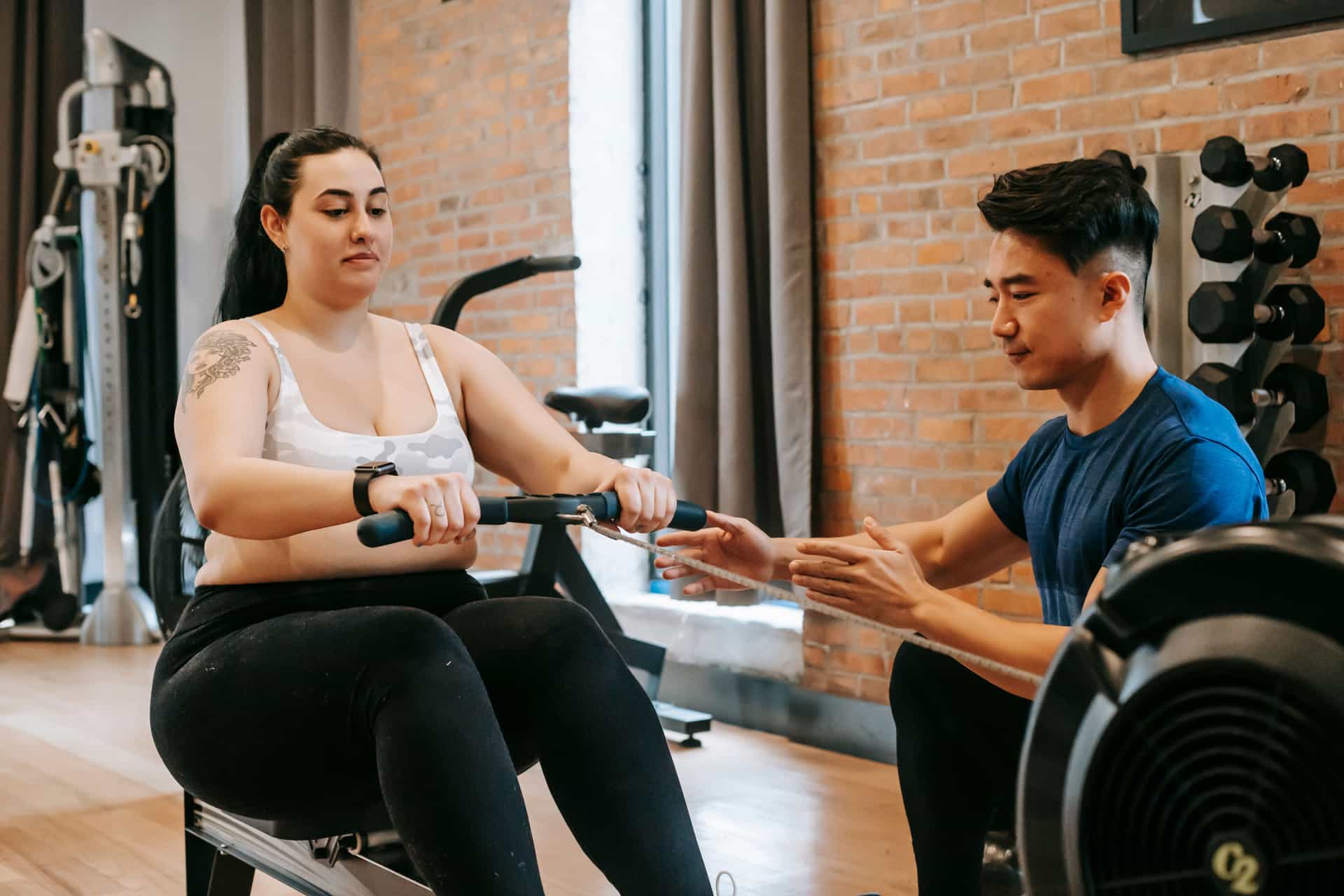
Training by heart rate means using your pulse, rather than how you feel, to control how hard you work — and rowing suits it well, because it loads a lot of muscle evenly and gives a steady, controllable effort. The core idea is simple and slightly counterintuitive: most of your training should be genuinely easy, with only a small amount truly hard.
The zones, simply
Heart rate zones are bands of intensity as a percentage of your maximum. The details vary by method, but the practical picture is three broad zones: easy (you can hold a conversation), moderate (talking gets harder), and hard(you cannot talk). Most methods put roughly 80% of training time in the easy zone and reserve the hard zone for short, deliberate efforts.
Why most rowing should be easy
The common mistake is training in a gray middle zone — always moderately hard, never truly easy or truly hard. That feels productive and delivers less than a polarized approach: lots of easy volume that builds your aerobic base, plus a little genuinely hard work. Keeping easy rows genuinely easy — low stroke rate, conversational — is harder than it sounds and more valuable than it looks.
Pairing a monitor with your rower
To train by heart rate you need to see it. Most rowing monitors, including the Concept2 PM5, pair with a chest-strap or optical heart rate monitor over Bluetooth or ANT+, so your pulse shows alongside your split. A chest strap is generally more accurate than a wrist optical sensor for interval work. Check that your machine’s monitor supports heart rate pairing before you rely on it — most connected rowers and the Concept2 do.
Building a simple week
A polarized rowing week might be three easy 20–30 minute rows kept genuinely easy, plus one interval session in the hard zone. That is most of what heart rate training asks for. For honest, comparable data, an air rower with a proper monitor like the Concept2 RowErgis the natural choice. This is general fitness information, not medical advice — if you have a heart condition, talk to a doctor before hard training, and use any maximum-heart-rate estimate as a rough guide only.
Straight answers
Questions people actually ask
Is a rowing machine good for heart rate training?
Yes - it loads a lot of muscle evenly and gives a steady, controllable effort, which makes holding a target heart rate straightforward. Most rowing monitors, including the Concept2 PM5, pair with a heart rate strap so your pulse shows alongside your split, making zone training easy to follow.
What heart rate zone should I row in?
Most of the time, the easy zone - where you can hold a conversation. A polarized approach puts roughly 80% of training in easy work to build your aerobic base, with a small amount of genuinely hard interval work. The common mistake is living in a moderate middle zone that feels productive but delivers less.
Do I need a heart rate monitor to row?
Not to row, but you do to train by heart rate. Most rowing monitors pair with a chest-strap or optical heart rate sensor over Bluetooth or ANT+. A chest strap is generally more accurate than a wrist sensor for intervals. Check your machine's monitor supports heart rate pairing - the Concept2 and most connected rowers do.
Show your working
Sources
- Concept2 RowErg - PM5 Bluetooth and ANT+ heart rate pairingAccessed 2026-07-24. https://www.amazon.com/dp/B00NH9WEUA
- Concept2 - Compare indoor rowers (official specifications)Accessed 2026-07-24. https://www.concept2.com/indoor-rowers/compare
Keep going