Workouts
A 20-Minute Rowing Machine Workout
One short, complete session with two ways to run the middle - steady when you want smooth, intervals when you want bite.
We earn a commission if you buy through the links on this page, at no cost to you. It has no effect on what we recommend or the order we recommend it in — we say “skip this one” on machines that pay us the same as the ones we like. How we’re funded.
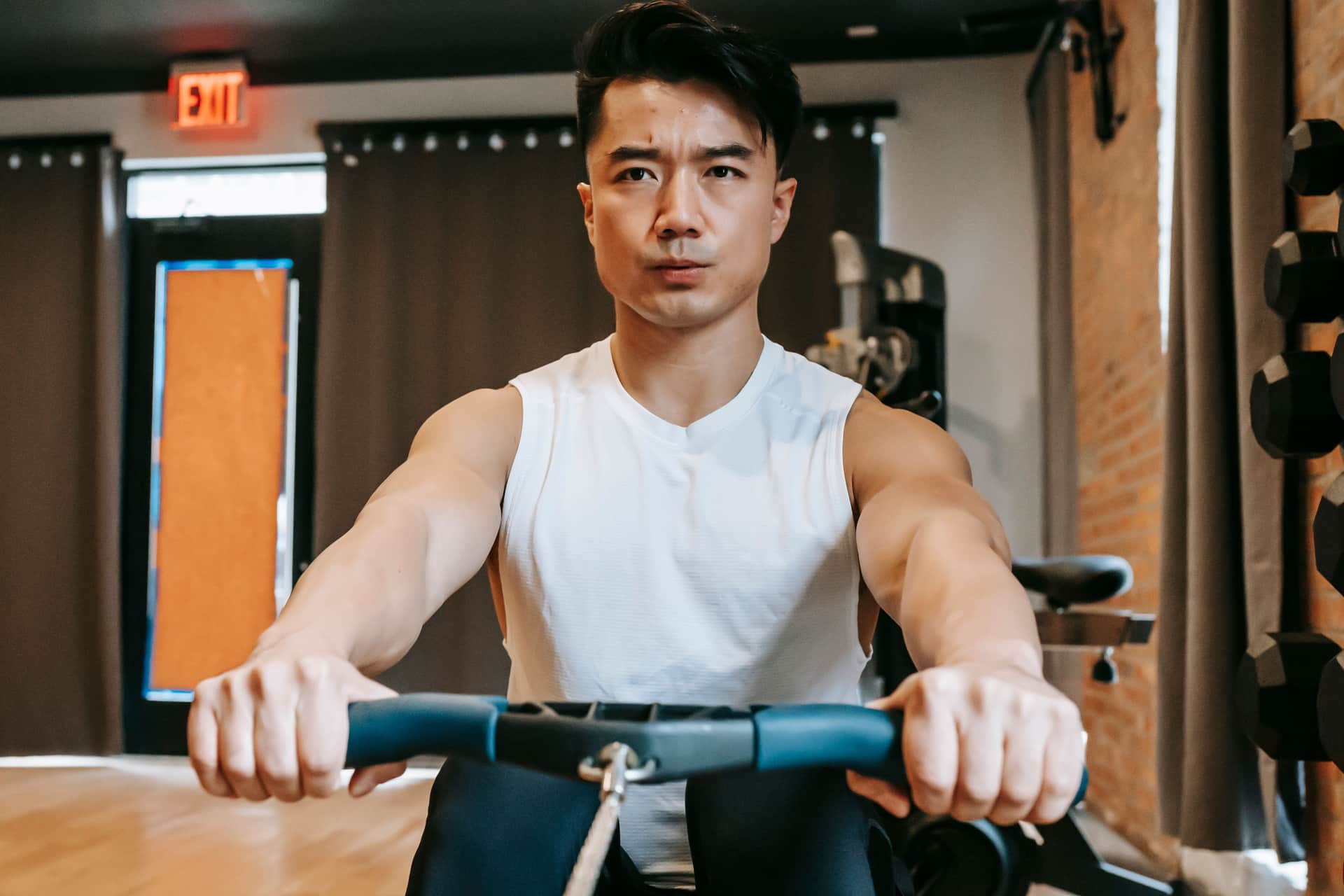
Twenty minutes is the session you reach for when the day is full and the thirty-minute plan is a stretch too far. It is long enough to warm up properly, do a genuine block of work, and cool down without cutting corners, and it slots neatly into a lunch break or the gap before dinner. This guide gives you one complete twenty-minute session with two ways to run the middle: an easy steady row when you want a smooth aerobic effort, and an interval version when you want a little more bite. It is written to be friendly to beginners and repeatable for anyone. This is general fitness information, not medical advice; warm up first, build the intensity gradually, and check with a doctor before hard intervals if you have a health condition.
How the twenty minutes breaks down
The shape is simple: three or four easy minutes to warm up, roughly thirteen minutes of work in the middle, and three easy minutes to cool down. The warm-up and cool-down are not filler — they are what let the middle feel good instead of rough, and they matter more, not less, when the whole session is short. Pick one of the two middle options below depending on how you feel and how much bite you want that day.
- Warm-up (about 4 minutes). Easy rowing at eighteen to twenty strokes per minute.
- Main block (about 13 minutes).Either steady rowing or firm intervals — pick one below.
- Cool-down (about 3 minutes). Easy, loose rowing to wind down.
Minutes 0 to 4: the warm-up
Set the damper or resistance to low or moderate and row at a relaxed pace, somewhere around eighteen to twenty strokes per minute. Keep the breathing easy and rehearse the sequence — legs, then back, then arms on the drive; arms, then back, then legs on the recovery. Spend the final minute adding a handful of slightly firmer strokes so the jump into the main block is not a shock. The warm-up guide has a longer version if you have a spare minute.
Option A: steady rowing
On a day when you want a smooth, unhurried effort, simply hold a steady pace for the whole middle block. Settle into roughly twenty to twenty-two strokes per minute and a pace that feels like moderate work — you are breathing harder but could still speak in short sentences. Pick a comfortable split on the monitor early and try to hold it, rather than chasing a number. This is the friendliest option for beginners and the closest in spirit to steady-state training, the easy aerobic base that everything else is built on. Keep the stroke long and clean; if it starts to feel choppy, slow the rate down rather than forcing it.
Option B: the interval twenty
When you want more bite, break the middle into intervals. A clean structure is one minute of firmer rowing followed by one minute easy, repeated six or seven times. During the firm minute lift the rate toward twenty-four to twenty-six and drive a little harder with the legs; during the easy minute drop the rate and the pace right down and let the breathing recover. Another option is 250m repeats: row 250m at a firm, controlled pace, then paddle easy for about a minute, and repeat until the block is done. Either way the aim is honest, controlled efforts, not all-out sprints — save the truly maximal efforts for a dedicated session on another day.
Minutes 17 to 20: the cool-down
Drop the pace right back and row easy for the final three minutes, letting the heart rate and breathing settle before you stand up. Keep the resistance low and the stroke slow and loose. It is a short cool-down because it is a short session, but it still earns its place — a gradual wind-down tends to leave you feeling better later in the day. The cool-down guide has a fuller routine if you have the time.
Judging effort by feel and stroke rate
Because the session is short, effort matters more than any target on the screen. The warm-up and cool-down should feel genuinely easy. The steady option should feel like moderate work you could hold with a little concentration. The firm intervals should feel uncomfortable by the end of each one but never like an emergency. Stroke rate is a useful companion to feel, not a replacement: eighteen to twenty for easy rowing, twenty to twenty-two for steady, twenty-four to twenty-six for the firm efforts. If you are gasping and cannot speak at all during the steady option, you set off too fast — ease back and let the pace be something you can hold.
How this differs from the thirty-minute workout
The thirty-minute workoutis the fuller version of the same idea, with a longer main set and more room to fold in firmer efforts. Reach for it when you have the time and want a bigger aerobic dose. The twenty-minute session is the one for busy days, for beginners still building the habit, and for anyone who would rather do a short, complete workout than skip it entirely. Neither is better — they are the same shape at two lengths, and having both on hand means a full calendar is never an excuse to do nothing.
The bottom line
Twenty minutes, done properly, is a real workout: warm up for three or four minutes, spend a dozen or so minutes rowing either steady or in firm intervals, and cool down for three. Choose Option A when you want smooth and easy, Option B when you want an edge, and let your breathing rather than a number tell you how hard you are working. Do it a few times a week and it adds up faster than the short clock suggests.
Straight answers
Questions people actually ask
Is a 20-minute rowing workout worth it?
Yes. Twenty focused minutes with a proper warm-up, a real main block, and a cool-down is a genuine aerobic workout for most people, and a short session you actually do beats a long one you keep skipping. What matters most is doing it regularly, a few times a week.
Should I choose the steady or the interval version?
Choose the steady version when you want a smooth, relaxed effort or you are still building the habit, and the interval version when you have more energy and want a little more intensity. Many people alternate them across the week, keeping some days easy and adding bite on others.
Is 20 minutes enough for a beginner?
It is a good starting length. Beginners should lean on the steady option first, keep the pace comfortable, and add the firm intervals only once the steady effort feels easy. Building intensity over a few weeks is far safer than going hard on day one.
How is this different from the 30-minute workout?
It is the same three-phase shape - warm-up, main block, cool-down - just shorter, with a smaller main set and less room for firmer efforts. Use the 20-minute session on busy days and the 30-minute one when you have more time and want a bigger dose.
Can I do this every day?
You can row most days if you vary the effort, mixing easy steady sessions with the occasional interval day. Doing the hard interval version every single day is how people get stale or sore, so keep some days genuinely easy and listen to your body.
Show your working
Sources
- Concept2 — Compare indoor rowers (official specifications)Accessed 2026-07-24. https://www.concept2.com/indoor-rowers/compare
Keep going