Posture
Does a Rowing Machine Improve Your Posture?
Done well, rowing strengthens exactly the upper-back and postural muscles a desk job lets go slack. Done with a rounded back, it reinforces the problem.
We earn a commission if you buy through the links on this page, at no cost to you. It has no effect on what we recommend or the order we recommend it in — we say “skip this one” on machines that pay us the same as the ones we like. How we’re funded.
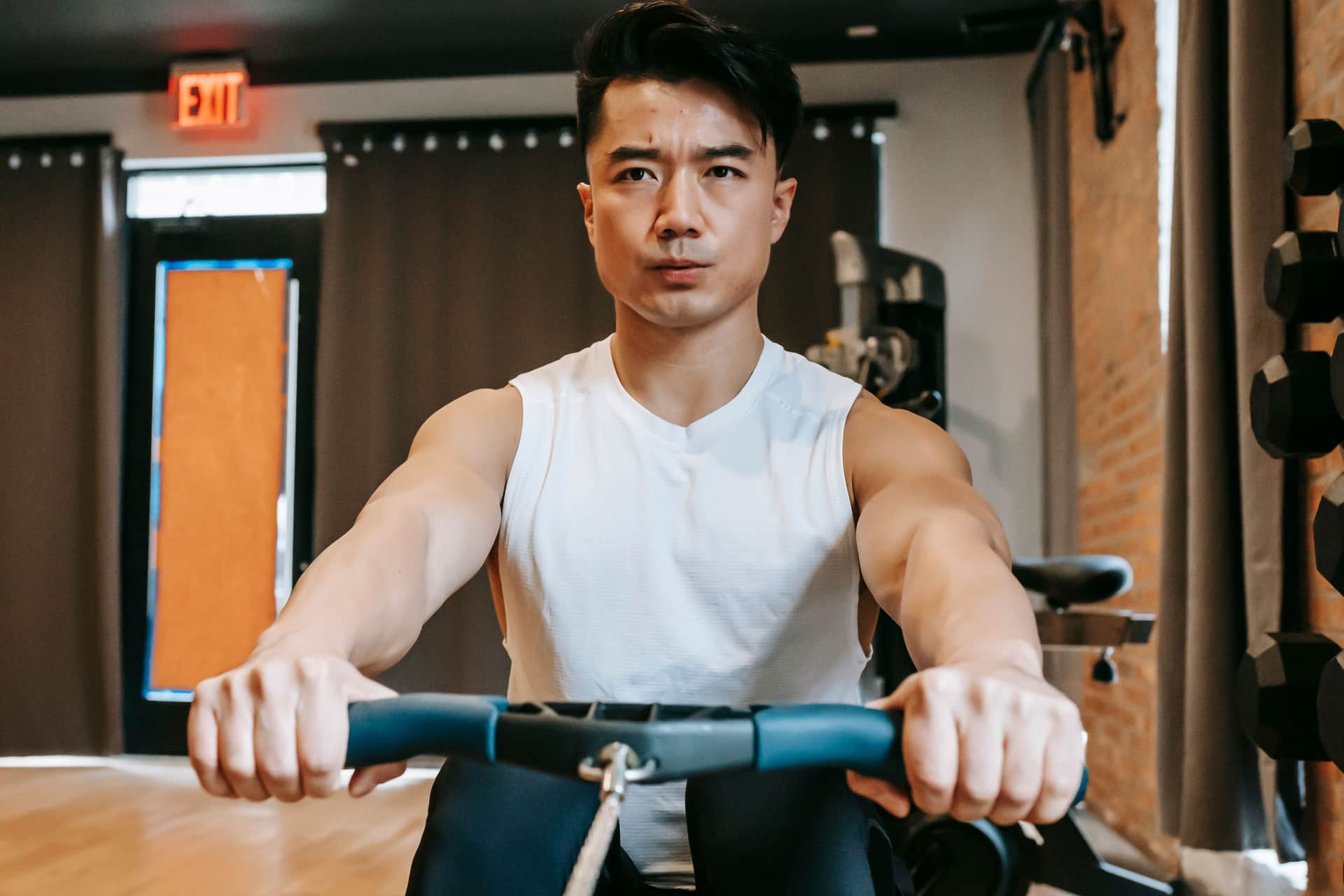
Yes — done with good form, rowing is one of the better home exercises for posture, because it directly strengthens the posterior-chain muscles that hold you upright and that a desk job lets go slack. But the qualifier is doing real work: a stroke performed with a rounded back trains the exact bad pattern you are trying to fix. The machine helps or hurts your posture depending almost entirely on how you use it.
This is general information, not medical advice — if you have an existing back condition or ongoing pain, talk to a doctor or physical therapist before starting a rowing program.
The muscles behind good posture
Upright posture is not held by willpower; it is held by muscles. The rhomboids and mid-traps between your shoulder blades pull them back and down, the spinal erectors keep your spine extended, and the lats and the rest of the posterior chain support the whole structure. When those muscles are strong and awake, standing and sitting tall is the path of least resistance. When they are weak, you slump.
Rowing loads every one of those muscles on the pull. As you draw the handle to your ribs at the finish, your shoulder blades retract and your back extends — the precise movement that fights a hunched posture. Our muscles worked guide maps the full chain, but the postural muscles are front and center in it.
Why a desk job is the problem rowing addresses
A day at a desk is a day spent in the shape posture problems are made of: shoulders rounded forward, upper back flexed, head jutting toward a screen. Hold that for years and the front of the shoulders tightens while the muscles across the upper back weaken from disuse. The result is the familiar rounded-shoulder, forward-head posture — a strength and habit problem, not a bone problem.
Rowing pushes back on exactly that imbalance. It repeatedly trains the retraction and extension the desk never asks for, waking up the mid-back muscles and rebuilding the strength that lets you sit and stand tall without thinking about it. Few home machines target the desk-worker’s specific weak spot as directly.
The catch: form matters
The same stroke, done wrong, reinforces the problem. If you row with a rounded lower back — hunching over at the catch and yanking with a flexed spine — you are loading the posterior chain in a flexed position, grooving the very pattern you want to undo, and putting avoidable stress on the lower back. Volume built on a bad stroke does not fix posture; it entrenches it.
So the form is not optional here, it is the whole point. Hinge from the hips with a tall, neutral spine, lead the drive with your legs, and keep your chest up throughout. Our proper rowing form guide walks through the sequence that makes rowing help rather than hurt, and it is worth reading before your first real session.
The finish position and the postural cue
If you take one cue from this page, take the finish. At the end of each stroke — legs down, handle drawn to the bottom of your ribs — sit tall, draw your shoulder blades gently back and down, and keep a slight, controlled backward lean from the hips rather than a collapse of the spine. That single position, repeated hundreds of times a session, is a rehearsal of good posture under load.
Avoid the two common finish faults: shrugging the shoulders up toward your ears, and leaning so far back that your lower back rounds. Both undo the benefit. A clean, tall finish is where rowing does its best postural work, so it is worth being fussy about.
How much, and choosing a machine that helps
You do not need marathon sessions for a postural payoff. A few moderate rows a week, done with a clean stroke, are enough to strengthen the mid-back over time — consistency and form matter far more than duration or intensity. As with any new training, build the movement first and add volume slowly so your back adapts rather than complains.
The machine itself can make good form easier or harder. A rail long enough for full leg extension, a stable seat and a comfortable handle height all help you hold a tall spine instead of compensating. If you are choosing your first rower with posture in mind, our best rowing machines for beginners favors machines that make a clean stroke easy to learn, and the smooth, well-supported stroke of a Concept2 is a large part of why it is so often the recommendation for learning form correctly.
Straight answers
Questions people actually ask
Is rowing good for posture?
Yes, when done with good form. Rowing strengthens the rhomboids, mid-traps and spinal erectors that hold you upright - exactly the muscles a desk job weakens. The finish position, with shoulder blades drawn back and the chest tall, rehearses good posture under load. The benefit depends on a clean stroke, though; a rounded-back row does the opposite.
Can rowing fix rounded shoulders or a hunch?
It can meaningfully help. Rounded shoulders from desk work are largely a strength-and-habit issue, and rowing trains the retraction and back extension that counter it. It is not an instant fix and pairs well with stretching the tight front of the shoulders, but consistent rowing with good form strengthens the muscles that pull your shoulders back where they belong.
Does rowing strengthen the lower back?
Yes, the spinal erectors of the lower back work to keep your spine extended and stable throughout the stroke, so rowing does strengthen them - provided you keep a neutral spine and hinge from the hips. Rowing with a rounded lower back, by contrast, loads it in a poor position. This is general information, not medical advice - see a professional if you have back pain.
Can rowing hurt your posture?
Yes, if your form is poor. Rowing with a hunched, rounded back repeatedly loads the spine in flexion and grooves the same slumped pattern you are trying to correct, and it stresses the lower back. The exercise only improves posture when the stroke is clean - a tall spine, a hip hinge and a controlled finish - which is why learning form first matters.
Show your working
Sources
- Concept2 — Compare indoor rowers (official specifications)Accessed 2026-07-24. https://www.concept2.com/indoor-rowers/compare
- Concept2 - Training and technique resourcesAccessed 2026-07-24. https://www.concept2.com/training
Keep going