Practical
What to Wear on a Rowing Machine
The one rule that matters: nothing loose near the seat. A plain-English guide to clothing that will not snag the rail.
We earn a commission if you buy through the links on this page, at no cost to you. It has no effect on what we recommend or the order we recommend it in — we say “skip this one” on machines that pay us the same as the ones we like. How we’re funded.
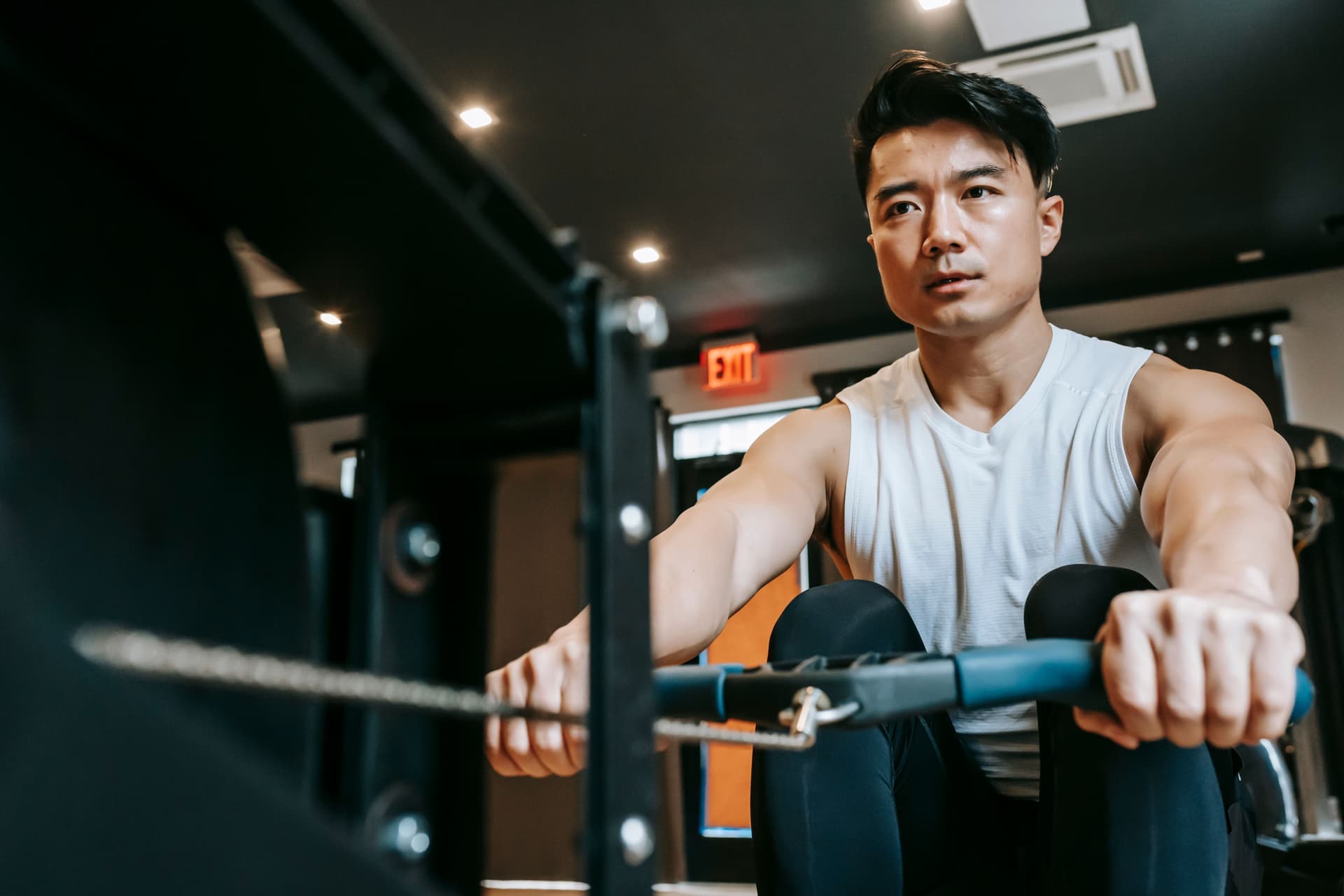
Rowing does not demand special clothing the way cycling or lifting sometimes does, but it has one quirk that catches almost every beginner: the seat slides back and forth beneath you on every stroke, and anything loose hanging off your legs can get caught under it or pinched against the rail. Dress around that one fact and you will barely think about your clothes again. Ignore it and you will spend the session tugging fabric out from under the seat. Here is what actually works.
Bottoms: fitted beats loose
The most important garment on a rowing machine is the one on your lower half. The seat moves on a rail directly under your backside, so loose gym shorts — especially longer, baggier ones — can bunch up, slide under the seat, or catch on the seat’s edge as you come forward to the catch. At best it is a distraction; at worst it drags the fabric and breaks your stroke. Fitted shorts, compression shorts, or leggings and tights solve it completely because there is no loose material to snag. If you prefer shorts, choose a shorter, closer-cut athletic pair rather than long basketball-style shorts. If you prefer full-length, leggings or joggers with a tapered, close leg are ideal.
Avoid long, baggy legs
The specific enemy is loose fabric around the thighs and the back of the knees, because that is exactly where the seat travels. Wide-leg sweatpants, baggy shorts, and anything that flares below the knee are the usual culprits. If loose trousers are all you have, you can make them work by rolling or cuffing the legs so nothing hangs into the seat’s path, but a close-fitting pair is far less fuss. This is the single rule that separates comfortable rowing clothes from annoying ones, so it is worth getting right before anything else.
Tops: light, wicking and not too loose
Rowing raises your heart rate fast and you will sweat, so a moisture-wicking synthetic or technical fabric keeps you far more comfortable than heavy cotton, which soaks through and stays wet. A fitted or lightly relaxed t-shirt, tank or technical top is ideal. You have a little more freedom up top than on the bottom because the handle travels in front of your chest rather than under you, but very loose or long tops can still flap into the handle path or bunch as you compress forward at the catch. Close enough that it moves with you, breathable enough to shed heat — that is the target. In a cold garage, layer a light long-sleeve you can strip off once you are warm rather than starting in something bulky.
Feet: important enough for its own guide
What goes on your feet matters more than most people expect, and it deserves more than a line here. In short: most rowers have foot cradles with straps that hold your feet against a footplate, so you can row in flat, firm shoes, in socks, or barefoot depending on the machine and your preference — but soft, thickly cushioned running shoes are a poor match for the drive. The full case, including when barefoot works and when a firm sole helps, is in the shoes guide, and how the straps hold your feet is covered in the foot-straps setup guide. Whatever you choose, do not row in slippery dress socks on a bare footplate without the straps snug, because your feet can slide on the drive.
Watches, straps and small stuff
A watch or a chest heart-rate strap is genuinely useful on a rower, because pacing by heart rate is one of the easiest ways to keep easy days easy and hard days honest. A wrist monitor is fine; a chest strap tends to read more accurately during the fast arm movement of the finish. Beyond that, keep small items in check: tie back long hair so it stays out of your face as you rock forward and back, and take a water bottle you can reach without leaving the seat. If you wear a fitness ring or bulky bracelet, be aware the handle sits in your hands the whole time, so anything on the wrist that digs in will announce itself quickly.
Sweat, grip and comfort
Because rowing works nearly the whole body, it produces a lot of heat and sweat for the time invested. A small towel over the rail or within reach saves you wiping sweat with the back of a hand mid-stroke, and keeps sweat off the seat and handle, which helps grip. If you find the seat itself uncomfortable on longer sessions, that is usually a padding and fit question rather than a clothing one — the seat-comfort guidecovers it — and sore or blistered hands are a grip-and-care issue addressed in the hand-care guide. Clothing rarely causes either, but the right fabric and a towel make both more pleasant.
What not to wear
A short list of things to leave off. Long, loose shorts and wide-leg sweatpants top it, for the seat-snagging reasons above. Heavy all-cotton clothing holds sweat and gets clammy. Long, flowing tops can catch the handle. Belts, waist packs, or anything bulky at the hips presses into you as you compress forward at the catch. And jewelry on the wrists or fingers gets in the way of a relaxed grip on the handle. None of it is dangerous in the way loose clothing near a treadmill belt is, but all of it makes rowing fiddlier than it needs to be.
The verdict
Rowing clothing comes down to one rule and a few small preferences. The rule: keep your lower half fitted so nothing snags the moving seat — close-cut shorts, compression shorts, or leggings. The preferences: a light, wicking top that moves with you, a towel within reach, hair tied back, and a watch or chest strap if you like to pace by heart rate. Sort out footwear separately using the shoes guide, dress for the temperature of the room, and you are set. The best rowing outfit is the one you stop noticing the moment you start pulling.
Straight answers
Questions people actually ask
What should I wear on a rowing machine?
Fitted bottoms are the key item: close-cut athletic shorts, compression shorts, or leggings, so nothing loose gets caught under the sliding seat. On top, a light moisture-wicking t-shirt or tank that moves with you and sheds heat. Add a small towel within reach and a watch or chest heart-rate strap if you like to pace by heart rate. Footwear is worth deciding separately.
Can I wear loose shorts to row?
It is the main thing to avoid. The seat slides on a rail right under you, and long or baggy shorts can bunch up, slide under the seat, or catch on its edge as you come forward. If loose shorts are all you have, roll or cuff the legs so nothing hangs into the seat path, but close-cut shorts or leggings are far less fuss.
Do I need special clothes for rowing?
No. You do not need rowing-specific gear - ordinary fitted athletic clothing works fine. The only real requirement is that your lower half is close-fitting so the moving seat cannot snag it, and that your top wicks sweat rather than soaking it up. Everything else is comfort and personal preference.
What should I wear on my feet to row?
Most rowers have foot cradles with straps, so you can row in flat firm-soled shoes, in socks, or barefoot depending on the machine. The one poor choice is thickly cushioned running shoes, which are too soft for the drive. Footwear has enough nuance that it gets its own guide - see the rowing machine shoes guide for the full case.
What top is best for rowing?
A light, moisture-wicking synthetic or technical top that fits closely enough to move with you. Rowing raises your heart rate quickly and you will sweat, so heavy cotton that soaks through and stays wet is the least comfortable choice. Avoid very loose or long tops that can flap into the handle path or bunch as you compress forward at the catch.
Show your working
Sources
- Concept2 — Compare indoor rowers (official specifications)Accessed 2026-07-24. https://www.concept2.com/indoor-rowers/compare
- Row & Recover - how we pickAccessed 2026-07-24. https://rowandrecover.com/methodology
Keep going