Training
Does Rowing Build Muscle?
Rowing builds real endurance and a little early size in beginners, but it is cardio first - here is what it can and cannot do for muscle.
We earn a commission if you buy through the links on this page, at no cost to you. It has no effect on what we recommend or the order we recommend it in — we say “skip this one” on machines that pay us the same as the ones we like. How we’re funded.
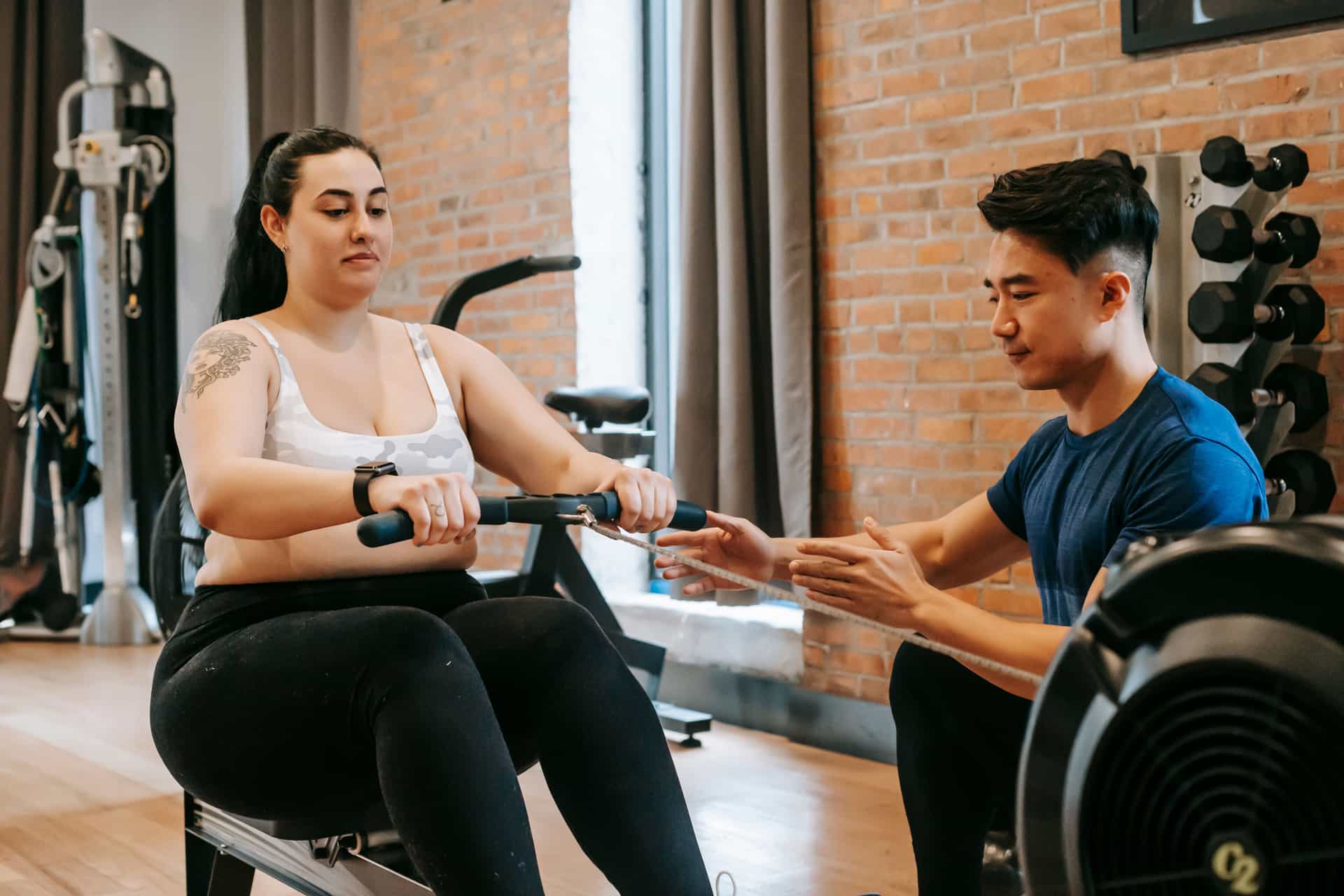
Rowing looks like a strength exercise. You brace, you drive against resistance, and after a hard session the legs, back and forearms feel worked in a way that jogging never delivers. So it is fair to ask whether a rowing machine will actually build muscle, or whether it only feels that way. The honest answer sits somewhere in between, and it depends almost entirely on where you are starting from. This is general information about training, not medical or personal coaching advice — if you have a health condition or injury, talk to a professional before you start.
The short answer: endurance first, size second
Rowing is, at its core, cardiovascular exercise. The stroke is repeated hundreds of times per session against a resistance that is moderate for any single pull but relentless over minutes, which is the classic recipe for building muscular endurance and aerobic fitness rather than raw size. That does not mean it does nothing for your muscles. It means the adaptation it drives hardest is the ability to keep contracting for a long time, not the thickening of the muscle fibers that we usually mean by “building muscle.” If your goal is a bigger, stronger back and legs, rowing helps around the edges; it is not the tool that gets you there.
What “building muscle” actually means
It helps to separate two things that get lumped together. Muscular endurance is your ability to produce force repeatedly without fatiguing; hypertrophy is the growth in the size of the muscle itself. They are trained by different stimuli. Hypertrophy responds best to relatively heavy loads taken close to fatigue over a small number of reps, with enough rest to recover and enough progression over weeks that the muscle is repeatedly asked to do more than it could before. Rowing delivers the opposite profile: light-to-moderate load, very high reps, little rest. That is a superb endurance stimulus and a weak hypertrophy one, which is why rowers tend to build lean, hard-working muscle without the bulk that dedicated lifting produces.
Who does gain muscle from rowing
There is one group that reliably puts on visible muscle from rowing alone: people who were not doing much of anything before. If your muscles are untrained, almost any consistent resistance is enough to trigger some growth, and the leg drive and back swing of a rowing stroke carry enough load to qualify. A beginner who starts rowing several times a week will often notice firmer legs, a more defined back and stronger forearms over the first couple of months. That window is real, but it narrows. As your muscles adapt to the modest per-stroke load, the growth stimulus fades while the endurance benefit keeps climbing. The longer you have trained, the less rowing does for size and the more it does for stamina.
Which muscles rowing works the most
Rowing is genuinely full-body, but the work is not spread evenly. The legs do the majority of it — quads and glutes on the drive, hamstrings and calves supporting — because the stroke is powered by pressing the footplate away, not by pulling with the arms. The posterior chain of the back gets the next largest share: the lats, rhomboids and traps as you swing open and draw the handle in, with the erector muscles of the lower back holding a strong hinge throughout. The arms and shoulders finish the stroke and the core braces the whole time, but they are supporting actors. We break the whole map down in the muscles-worked guide, and the trunk specifically in the core guide.
Why rowing plateaus for muscle
The reason a rowing machine stops building size has nothing to do with the machine and everything to do with load. To keep a muscle growing you have to keep making it work harder than it is used to — progressive overload. On a rower you overload mainly by rowing faster or longer, which raises your heart rate and endurance but keeps the force on any single contraction roughly the same. There is no easy way to double the resistance on one stroke the way you would add plates to a barbell. So the cardiovascular system keeps adapting for years while the muscles quickly reach the size that the stroke’s modest load will support, and settle there.
How to pair rowing with lifting
If you want both the conditioning of rowing and real muscle growth, the answer is not to choose — it is to run them alongside each other. Rowing makes an excellent partner to a resistance program in a few ways.
- Use rowing as your cardio, lifting as your muscle work. Let the barbell, dumbbells or machines drive hypertrophy with heavy, low-rep sets, and let the rower handle heart, lungs and recovery. Each does the job it is good at.
- Row on non-lifting days, or after lifting, not before. A long, hard row before a heavy leg session leaves the same muscles you are about to load already fatigued. Lift first when both fall on one day, or keep them on separate days.
- Use easy rowing to recover. A gentle, low-intensity row the day after a hard lift moves blood through sore muscles without adding meaningful load. Our steady-state guide covers how to keep those sessions genuinely easy.
- Mind total fatigue.Endurance and strength both draw on the same recovery budget. If your lifts stall, it is often because the rowing volume crept up — back it off before you blame the program.
Does the machine you choose change the answer?
Not much. Every resistance type — air, magnetic or water — produces the same basic profile: a stroke you can repeat hundreds of times, which is endurance training whatever the brand. A stiffer, self-regulating air rower like the Concept2 RowErg (around a thousand dollars) will let a powerful athlete pour more force into each drive than a gentle compact magnetic machine like the MERACH Q1S (under $200), but even the strongest single stroke is nowhere near the load of a heavy squat. Choose a rower for how it feels and how much you will use it, not on a promise of building muscle it cannot keep. If cross-training is your aim, the cross-training guide covers how rowing slots in.
The verdict
So, does rowing build muscle? A little, especially if you are new to training, and it builds a great deal of muscular endurance for everyone. What it does not do is replace progressive resistance training for size and maximal strength — the per-stroke load is simply too light and too hard to increase. Treat rowing as what it is: outstanding full-body, low-impact cardio that keeps your muscles working hard for a long time. Want to get noticeably bigger and stronger too? Keep rowing for the engine, and add lifting for the size.
Straight answers
Questions people actually ask
Does rowing build muscle or just burn fat?
Mostly it builds cardiovascular fitness and muscular endurance rather than size. Untrained beginners will gain some visible muscle in the legs, back and forearms in the first couple of months, but that window narrows as the body adapts. Rowing also burns plenty of energy, so it supports fat loss, but it is not a substitute for resistance training if your goal is to get bigger and stronger.
Which muscles does a rowing machine build the most?
The legs get the most work - quads and glutes on the drive, with hamstrings and calves supporting - because the stroke is powered by pressing the footplate away. The back is next: lats, rhomboids, traps and the lower-back muscles that hold the hinge. The arms, shoulders and core support the stroke rather than leading it.
Can you get toned from rowing alone?
Yes, in the sense most people mean by toned: firmer, more defined muscle with lower body fat. Rowing works nearly every major muscle and burns a lot of energy, so consistent sessions plus sensible eating will visibly change how the legs and back look. It will not add the size that dedicated lifting produces, but a leaner, harder look is well within reach.
Why does rowing not build big muscles?
Because muscle growth needs progressive overload - repeatedly asking a muscle to handle more load than before - and a rower does not let you do that easily. You overload a rower by going faster or longer, which trains endurance while keeping the force on any single stroke about the same. Without a way to keep increasing the resistance per rep, the muscles reach the size that modest load supports and stay there.
Should I row or lift to build muscle?
To build muscle, lift. To build endurance and heart-and-lung fitness, row. The best results usually come from doing both: heavy, low-rep resistance work for size, and rowing for conditioning and recovery. If they fall on the same day, lift first so your muscles are fresh for the heavy work, and use easy rowing on off days to move blood through sore muscles.
Show your working
Sources
- Concept2 — Compare indoor rowers (official specifications)Accessed 2026-07-24. https://www.concept2.com/indoor-rowers/compare
- Concept2 RowErg - air rower, Amazon listingAccessed 2026-07-24. https://www.amazon.com/dp/B00NH9WEUA?tag=t5fitness-20
- Row & Recover - how we pickAccessed 2026-07-24. https://rowandrecover.com/methodology
Keep going