Maintenance
How to Maintain a Concept2 RowErg
The RowErg asks for very little — a clean monorail, an occasional drop of oil on the chain, and it comes apart in seconds to store.
We earn a commission if you buy through the links on this page, at no cost to you. It has no effect on what we recommend or the order we recommend it in — we say “skip this one” on machines that pay us the same as the ones we like. How we’re funded.
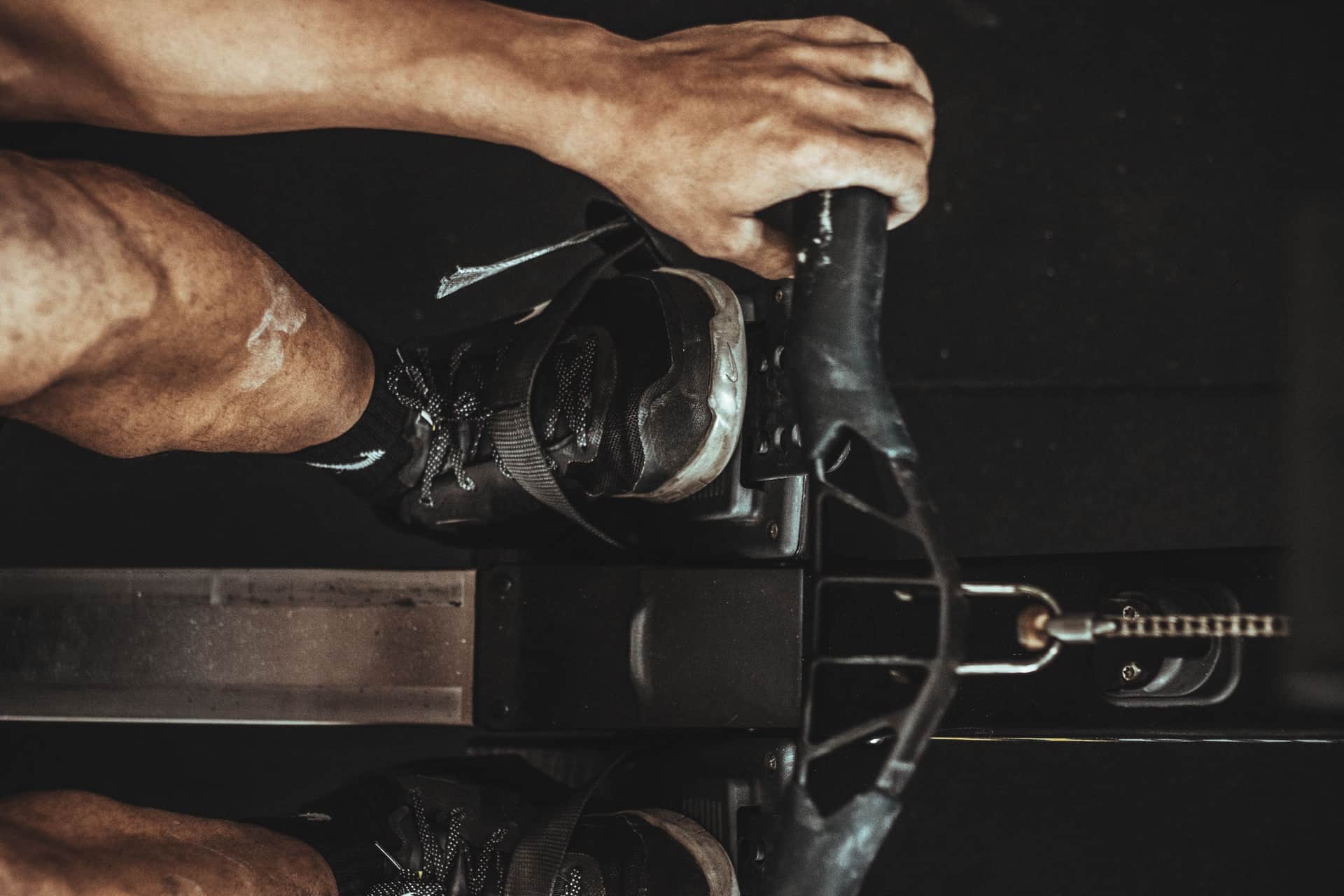
Part of what you pay for with a Concept2 RowErg is how little it asks of you afterwards. There are no cylinders to wear out, no water to treat, and the parts that do need attention are simple, accessible and cheap. The whole maintenance routine amounts to keeping one rail clean and putting the occasional drop of oil where the chain runs.
Everything below is general upkeep guidance. For specific procedures and anything under warranty, follow Concept2’s own maintenance instructions for your model — they are the authority on their own machine, and the notes here are meant to explain the why, not to replace them.
The theme running through all of it is little and often. None of these tasks takes more than a minute or two, and a machine that gets a quick wipe and the occasional drop of oil will simply never develop the problems a neglected one does. There is no involved service routine to dread and no annual visit to book — just a handful of small habits that add up to a machine still feeling new years from now.
Oil the chain
The RowErg uses a metal chain connecting the handle to the flywheel, and that chain needs a light film of oil to run smoothly and quietly. Concept2’s general guidance is to oil it periodically — not on a fixed schedule you need to memorize, but when the feel or sound of the machine tells you it is due. A dry chain announces itself.
The idea is a light film, not a coating: a small amount of oil wiped along the chain, with the excess taken off so it does not fling or attract grit. Too much oil is its own problem, gathering dust into a paste. Use the type of oil Concept2 recommends and follow their described method rather than improvising with whatever is in the garage.
Keep the monorail clean
This is the single most valuable habit, and it takes seconds. The seat rides on rollers along the long monorail, and those rollers run smoothly only if the rail is clean. Dust, sweat and grit on the track are what make a seat feel gritty, sticky or noisy.
Wiping the monorail down regularly — especially after sweaty sessions — keeps the seat gliding the way it should and heads off most of the seat complaints people have. It is the rowing-machine equivalent of wiping down a treadmill deck: unglamorous, quick, and the difference between a machine that feels new for years and one that starts to drag.
While you are at it, wipe down the handle, the seat and the footrests too. Sweat is mildly corrosive over time, and a quick pass with a dry or lightly damp cloth after a hard session is the single cheapest thing you can do to keep the whole machine feeling and looking new. It also keeps grit off the parts that would otherwise carry it back onto the rail.
The PM5: batteries and power
The PM5 monitor runs on two D-cell batteries and also draws power from the spinning flywheel while you row. In practice that means the batteries last a long time, because rowing itself helps keep the monitor powered, and the batteries mainly cover the moments the flywheel is not turning.
If the display becomes dim, slow to wake, or behaves oddly, fresh D-cells are the first thing to try — it is a far more common cause than any fault with the monitor itself. It is a good idea to keep a spare pair on hand so a flat battery never costs you a session.
Storing it: two pieces
The RowErg is designed to separate into two parts — the front end with the flywheel and the long rail with the seat — without tools, so it stores in a smaller footprint and stands out of the way. Reassembly is just as quick, which is what makes it practical to break down between sessions rather than leaving nine feet of machine across a room.
Follow Concept2’s described method for separating and rejoining the two pieces so the connection seats properly every time. This is one of the quiet advantages of the machine for anyone short on space, and it pairs with the clearance arithmetic we cover elsewhere. How much floor a rower really needs is here.
Wherever it lives, keep it out of damp and away from extremes of temperature. A metal chain and a monitor with batteries both prefer a dry, room-temperature indoor spot to a leaky garage or an unheated shed, where condensation and cold shorten the life of both. Storing it somewhere sensible does as much for the machine’s lifespan as any amount of oiling.
Two annoyances and their usual cause
A noisy or rough-feeling chain. Almost always a dry chain. If the machine has developed a rattly, grinding or scraping feel through the pull, it is asking to be oiled. A light application, wiped down, usually restores the smooth, quiet draw straight away.
A sticky or gritty seat. Almost always a dirty monorail. Before you suspect the rollers, wipe the rail clean along its whole length and try again. Built-up sweat and dust on the track is the usual culprit, and cleaning it is the fix far more often than any part replacement is.
When something is genuinely worn rather than dirty or dry, the RowErg’s advantage is that Concept2 supports the machine with readily available parts and clear instructions — the long-term serviceability that separates it from most budget machines. Our full review covers what that support is worth. For any specific repair, use Concept2’s own guidance for your model.
Straight answers
Questions people actually ask
How do you maintain a Concept2 RowErg?
It needs very little: oil the chain periodically with a light film, keep the monorail wiped clean so the seat rollers glide, and replace the PM5's two D-cell batteries when the display dims. The machine also separates into two pieces without tools for storage. For specific procedures, follow Concept2's own maintenance instructions for your model.
How often should you oil a Concept2 chain?
Concept2's general guidance is to oil it periodically rather than on a fixed schedule - when the feel or sound of the machine suggests it is due. A dry chain announces itself with a rough or noisy pull. Apply a light film and wipe off the excess so it does not fling or attract grit, using the oil and method Concept2 recommends.
Why is my Concept2 seat sticky or gritty?
Almost always a dirty monorail. The seat rides on rollers along the rail, and built-up sweat and dust on the track make it feel sticky or rough. Wipe the whole length of the rail clean and try again before suspecting the rollers - cleaning the track is the fix far more often than any part replacement.
What batteries does the Concept2 PM5 use?
Two D-cell batteries. The monitor also draws power from the spinning flywheel while you row, so the batteries last a long time and mainly cover the moments the flywheel is not turning. If the display dims or wakes slowly, fresh D-cells are the first thing to try, and it is worth keeping a spare pair on hand.
Can you take a Concept2 RowErg apart to store it?
Yes. It is designed to separate into two pieces without tools - the front end with the flywheel and the long rail with the seat - so it stores in a smaller footprint and reassembles just as quickly. Follow Concept2's described method for separating and rejoining so the connection seats properly each time.
Why is my Concept2 chain noisy?
A rattly, grinding or scraping feel through the pull is almost always a dry chain asking to be oiled. A light application of the recommended oil, wiped down to a thin film, usually restores the smooth, quiet draw straight away. If noise persists after oiling, check Concept2's guidance, since it may point to something needing service.
Show your working
Sources
- Concept2 — Compare indoor rowers (official specifications)Accessed 2026-07-24. https://www.concept2.com/indoor-rowers/compare
- Concept2 RowErg — published specificationsAccessed 2026-07-24. https://www.amazon.com/dp/B00NH9WEUA?tag=t5fitness-20
- Row & Recover — how we pickAccessed 2026-07-24. https://rowandrecover.com/methodology
Keep going
Read next
- Chain care and oilingThe general chain-oiling routine, for any air rower.
- Concept2 RowErg reviewWhat the long-term parts support is worth.
- Best Concept2 rowing machinesWhich RowErg to buy.
- What is an erg?The machine the word usually means.
- Rowing machine maintenanceThe same upkeep, across every resistance type.