Head to head
Rowing Machine vs Pilates
This is a cardio-versus-control question. Rowing trains your heart and drives with your legs; Pilates builds core strength, stability and mobility. They solve different problems.
We earn a commission if you buy through the links on this page, at no cost to you. It has no effect on what we recommend or the order we recommend it in — we say “skip this one” on machines that pay us the same as the ones we like. How we’re funded.
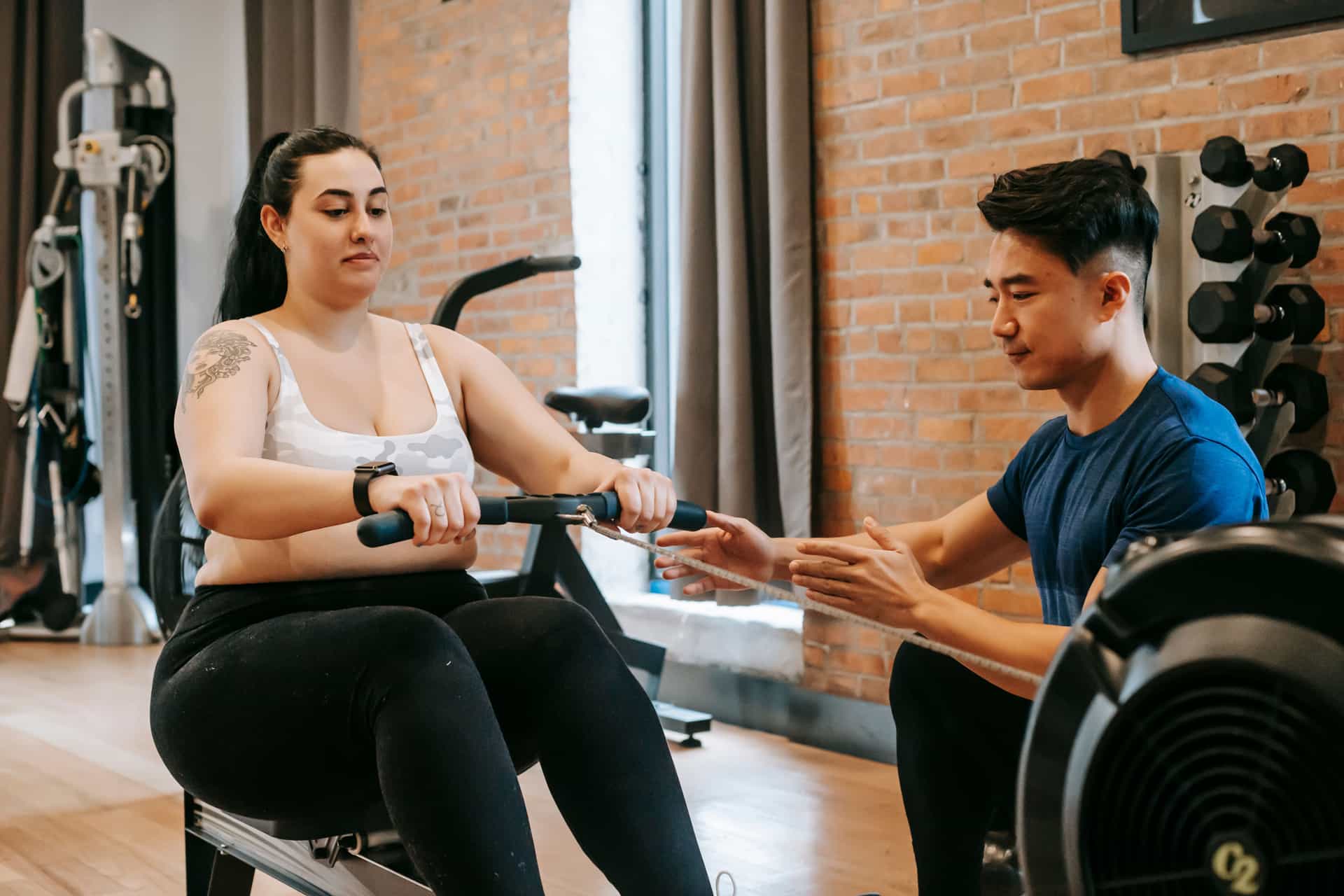
People pit these two against each other because both have a reputation for being kind to the body — low-impact, controlled, unlikely to leave you limping. That reputation is fair. But they are not competing for the same job. A rowing machine is a cardio tool that happens to work most of your muscles. Pilates is a strength, control and mobility practice that happens to raise your heart rate a little. Choosing between them is really deciding which of those two things you are short of.
Here is the honest face-off, and why the answer for a lot of people is not one or the other.
1. What each one actually trains
Rowing is cardiovascular exercise first. The stroke is a leg drive that swings through the back and finishes with the arms, so a session raises your heart rate hard while loading the big muscles of the lower body and the posterior chain. The full muscle breakdown is here. What it is not is a strength program — the resistance trains muscular endurance, not maximal force.
Pilates flips that emphasis. It is built around core control, spinal stability, joint mobility and precise, low-load movement. Mat Pilates uses your own bodyweight; a reformer adds spring resistance. Either way the aim is control and range, not a soaring heart rate, and it barely touches cardiovascular fitness. Where rowing asks how long and how hard you can go, Pilates asks how well you can move.
2. Impact and the joints
Both are genuinely low-impact, which is why they attract the same joint-conscious buyer. Rowing is seated and non-weight-bearing: the seat carries you and the motion is a smooth slide with no pounding. Pilates is done on a mat or a reformer bed, equally free of impact, with the added benefit that it trains the small stabilizing muscles that protect a joint through its range. This is general information rather than medical advice — if you have a back, knee or shoulder condition, ask a doctor or a qualified instructor which suits you before starting either.
3. Cost, access and the recurring bill
This is where the two diverge most, and it usually decides it. Mat Pilates at home is nearly free, but the version most people mean — reformer Pilates — is studio-based, and studio memberships are among the more expensive fitness habits going, class after class, indefinitely. A home reformer removes the class fee but costs a great deal up front.
A rowing machine is a one-time purchase that then sits in your home with no commute and, on the best-known machines, no subscription at all. Over a couple of years the price gap against a studio habit is stark. If you want to see how a buy-once rower pencils out, our rowing machine roundups run from budget to premium, and the value guide works the numbers.
4. Skill, coaching and going it alone
Pilates rewards good instruction. The whole point is precision, and precision is hard to self-teach — most people get far more from it with a coach, which is part of why the studio model persists. Rowing has a learning curve too, but a shorter one: the stroke is legs, then back, then arms, and it takes an afternoon to grasp. Our form guide covers it, and after that you can train alone indefinitely. If self-directed exercise at home is the goal, rowing asks less of you.
5. Can you do both?
Yes, and they complement each other unusually well because they cover each other’s gaps. Rowing gives you the cardio and the calorie burn Pilates does not; Pilates gives you the core control, mobility and stabilizer strength that make your rowing stroke cleaner and your back happier under load. A common pattern is to row for conditioning a few days a week and use Pilates on the others for control and recovery — which is really just the cardio-versus-strength split in a gentler form.
The short answer
If your gap is cardiovascular fitness, stamina and burning energy across your whole body, a rowing machine is the more direct tool, and a far cheaper one over time than a studio habit. If your gap is core strength, control and mobility, Pilates does something a rower cannot. Neither replaces the other, and the people who get the most out of home fitness often run both.
If a home rower is the answer, the benchmark is the Concept2 RowErg: full-body, non-weight-bearing, no motor, no subscription, and it splits in half for storage. On a tighter budget, a magnetic rower like the MERACH Q1S delivers the same low-impact cardio and folds away.
| Machine | Machine price | Subscription | Year 1 | Year 3 | Year 5 |
|---|---|---|---|---|---|
| Concept2 RowErg | $990 | None | $990 | $990 | $990 |
Machine prices are live from Amazon as of September 14, 2026 and change without notice. Subscription figures are the published month-to-month rates, each cited on the subscriptions page. Totals are machine price plus the monthly rate multiplied by 12, 36 and 60. We do not model electricity, shipping, floor mats or resale value — each would need an assumption we cannot source, and adding them would make the number look more precise while making it less true.
Our pick
Concept2 RowErg
If cardio is the gap Pilates leaves, this is the most direct fill: full-body, low-impact and non-weight-bearing, with no studio fee and no subscription, and it splits in half for storage. If budget is the constraint, a magnetic rower like the MERACH Q1S does the same low-impact job for far less.
Price as of September 14, 2026. #ad How we’re funded
Straight answers
Questions people actually ask
Is a rowing machine or Pilates better for weight loss?
Rowing is the more direct cardio tool, so per minute it tends to raise your heart rate and energy use more than a typical Pilates session. But weight loss is driven mostly by overall activity and diet, and the best exercise is the one you keep doing. Many people use rowing for the cardio and Pilates for control, rather than choosing.
Can Pilates replace a rowing machine for fitness?
Not for cardiovascular fitness. Pilates is excellent for core strength, control and mobility, but it barely trains your heart and lungs the way rowing does. If aerobic fitness and stamina are your goal, a rower is the better fit; if control and mobility are, Pilates is.
Is rowing or Pilates easier on your back?
Both are low-impact and can be back-friendly, and both can aggravate a back if done poorly. Rowing loads the lower back only if you round it and yank with your arms; Pilates is often used specifically to build the core control that protects the spine. This is general information, not medical advice - with a back condition, get a professional opinion first.
Do I need a reformer, or is a rowing machine cheaper?
A rowing machine is almost always cheaper over time. Reformer Pilates usually means ongoing studio fees or a costly home reformer, while a rower is a one-time purchase and the best-known machines carry no subscription. That recurring-cost gap is the main financial difference between the two.
Show your working
Sources
- Concept2 — Compare indoor rowers (official specifications)Accessed 2026-07-24. https://www.concept2.com/indoor-rowers/compare
- Concept2 RowErg - published specificationsAccessed 2026-07-24. https://www.amazon.com/dp/B00NH9WEUA?tag=t5fitness-20
Keep going