Why row
The Benefits of a Rowing Machine
Full-body, zero-impact cardio that trains the muscles most machines ignore - and a few honest limits, so you know what you are buying.
We earn a commission if you buy through the links on this page, at no cost to you. It has no effect on what we recommend or the order we recommend it in — we say “skip this one” on machines that pay us the same as the ones we like. How we’re funded.
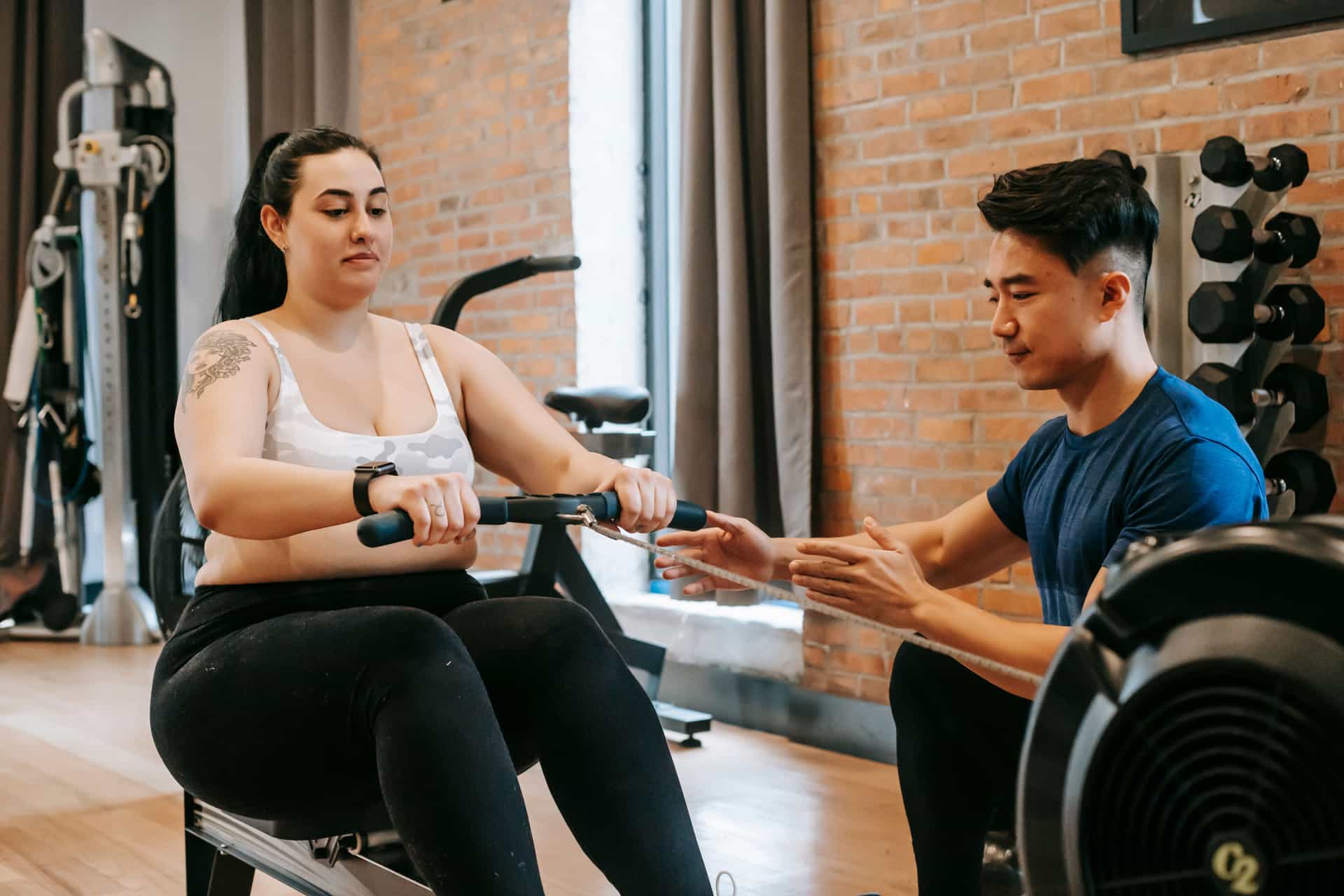
A rowing machine does one thing that almost no other single piece of home cardio equipment does: it trains most of your body and your heart at the same time, with no impact on your joints. That combination is the whole case for owning one, and it holds up better than most fitness marketing does. Here is what is real, and what is overstated.
It is genuinely full-body
The rowing stroke is roughly 60% legs, 20% core and back, and 20% arms — you drive with your legs, swing through your trunk, and finish with your arms, in that order. We break the muscle split down in full here. The practical upshot is that a rower works the posterior chain — glutes, hamstrings, lats, mid-back — that a treadmill or a bike largely skips. For most people who sit at a desk all day, that is exactly the half of the body that needs the work.
It is zero-impact
The seat carries your weight and your feet never leave the pedals, so there is no landing, no pounding, nothing that jars a knee, hip or ankle the way running does. That makes rowing one of the more joint-friendly ways to raise your heart rate hard — which is a description of the mechanics, not a medical claim. If joints are a medical concern for you, that is a question for a professional, not a buying guide.
It trains cardio and strength-endurance together
Because the stroke is resisted, rowing builds muscular endurance in the legs and back at the same time as it trains your heart and lungs — more so than an unresisted machine like a treadmill. It is efficient: a hard twenty-minute row asks a lot of both systems at once, which is useful for anyone short on time. The cardio side, and honest expectations around it, is here.
It stores in a way a treadmill never will
This is an underrated benefit and a practical one. A wooden water rower stands on end in about two square feet; a Concept2 separates into two pieces; many magnetic machines fold upright. A treadmill does none of that. For a home where the equipment has to share a room, the ability to reclaim the floor between sessions is often the difference between a machine you keep and one you sell. Which machines store how, explained here.
The honest limits
Rowing is not a heavy strength builder — it will not replace squats and deadlifts for maximal strength, and it should not be sold as if it does. It has a learning curve: the stroke is a specific sequence and doing it badly is both less effective and harder on your back, which is why learning the form early matters. And calorie-burn figures are routinely overstated online; we cover why we will not quote you a number. None of that undoes the core case — it just keeps it honest.
Who benefits most
The desk worker who needs posterior-chain work, the runner or cyclist who wants zero-impact cross-training, the person with a small home and no room for a treadmill, and anyone who wants one machine that does cardio and muscular endurance together. If that is you, the next question is which machine — and that guide is here.
Straight answers
Questions people actually ask
What are the main benefits of a rowing machine?
Full-body engagement (roughly 60% legs, 20% core and back, 20% arms), zero impact on the joints, cardio and muscular endurance trained together, and a machine that stores far more compactly than a treadmill. The combination of whole-body work and no impact is what sets it apart from most home cardio equipment.
Is a rowing machine a good full-body workout?
Yes - it is one of the few single machines that trains legs, back, core and arms in one movement while also working your heart and lungs. It is especially good at hitting the posterior chain (glutes, hamstrings, lats, mid-back) that treadmills and bikes largely miss.
Is rowing better than running?
It depends on your goal. Rowing is zero-impact and more full-body, so it is gentler on the joints and works more muscle; running is more specific if your goal is to run and needs no equipment. Many people use a rower precisely as low-impact cross-training alongside running. Neither is simply better.
Will a rowing machine build muscle?
It builds muscular endurance in the legs, back and arms, and can add some size for a beginner, but it is not a heavy strength builder and will not replace squats and deadlifts for maximal strength. Treat it as cardio-plus-endurance rather than a substitute for resistance training if strength is your main goal.
Show your working
Sources
- Row & Recover - how we pick and what we do not claimAccessed 2026-07-24. https://rowandrecover.com/methodology
- Concept2 — Compare indoor rowers (official specifications)Accessed 2026-07-24. https://www.concept2.com/indoor-rowers/compare
Keep going
Read next
- What muscles a rowing machine worksThe 60/20/20 split in full.
- The cardio benefits of a rowing machineThe heart-and-lungs side, honestly.
- How to choose a rowing machineTurning the benefits into a purchase.
- Best rowing machines for beginnersWhere to start.
- Is a rowing machine enough exercise?What one machine covers on its own.