The real math
What a Rowing Machine Costs Per Workout
The number that actually matters is not the sticker price - it is what each session costs once you divide the machine across the years you use it.
We earn a commission if you buy through the links on this page, at no cost to you. It has no effect on what we recommend or the order we recommend it in — we say “skip this one” on machines that pay us the same as the ones we like. How we’re funded.
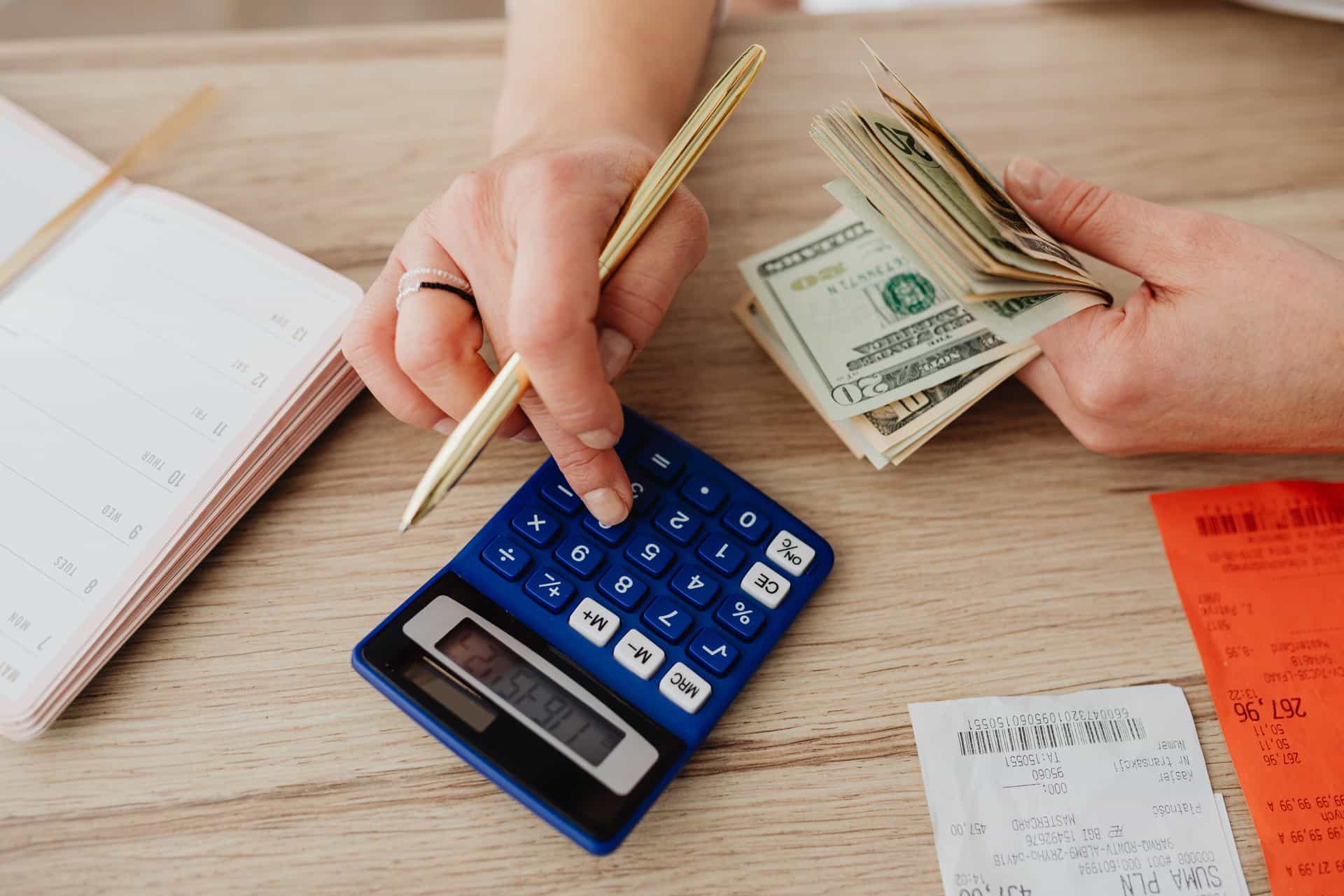
A rowing machine’s sticker price is a bad way to judge whether it is expensive. The honest measure is cost per workout: take what the machine truly costs to own over the years you keep it — the purchase, plus any subscription — and divide it by the number of times you actually use it. Looked at that way, a machine that seemed dear can turn out to cost very little per session, and a machine that looked like a bargain can quietly stay expensive forever.
This page works through that math in plain terms. The live table lower down carries the one, three and five-year cost of ownership for every machine we can price, so you can do the division for yourself against your own honest guess at how often you will row.
Why per-workout beats the sticker price
Almost every fixed cost in fitness gets cheaper the more you use the thing. A rower you buy once and use several times a week for years spreads its price across hundreds and then thousands of sessions, and each of those sessions costs a little less than the last. The purchase price does not change; the cost per workout falls steadily toward the floor. That is the entire case for owning a machine rather than paying per visit somewhere else, and it is why whether a rower is worth it is really a question about how often you will use it.
The flip side is the machine that sits idle. A rower used twice and then draped in laundry has a cost per workout equal to its full price, because you divided by two. Usage is the lever that matters most, and it is the one number no retailer can tell you — only you can.
The two things that decide it
Two variables set your real cost per workout, and price is only one of them.
- How much you use it. The single biggest factor. The difference between rowing three times a week and three times a month is the difference between pennies a session and real money a session, on the exact same machine.
- Whether it carries a subscription. A one-time purchase keeps getting cheaper per workout indefinitely. A machine with a monthly fee has a cost-per-workout floor it can never drop below, because the fee keeps arriving whether the price of the hardware is long since paid off or not.
The subscription machine never gets as cheap
This is the part the per-workout view exposes most clearly. On a machine you own outright — no membership — every extra session you do this year is essentially free, and the cost per workout keeps sliding down. On a connected rower with a monthly fee, the hardware cost falls the same way, but the subscription resets the meter every month. Row more and the fee is spread over more sessions, which helps — but stop, travel, or go through a quiet stretch, and you are still paying, so the floor under the cost per workout is the monthly fee itself. Over five years those fees frequently add up to more than a no-subscription machine costs new. Our subscription comparison lays out what each membership costs, and the no-subscription machines are the ones with no floor at all.
Run the numbers yourself
Here is the honest way to do it. Take the five-year cost of ownership from the table below — the real figure, subscription included, not the sticker — and divide by a truthful estimate of how many times you will row in those five years. Be conservative about the sessions; almost everyone overestimates. The machines with no monthly fee reward heavy use most, because there is nothing to stop the per-workout figure falling. The machines with a fee reward heavy use too, but never quite escape the membership underneath.
| Machine | Machine price | Subscription | Year 1 | Year 3 | Year 5 |
|---|---|---|---|---|---|
| MERACH Q1S | $190 | None | $190 | $190 | $190 |
| Concept2 RowErg | $990 | None | $990 | $990 | $990 |
| Hydrow Wave | $1,995 | $50/mo$50/mo annual | $2,595 | $3,795 | $4,99560% is subscription |
Machine prices are live from Amazon as of September 14, 2026 and change without notice. Subscription figures are the published month-to-month rates, each cited on the subscriptions page. Totals are machine price plus the monthly rate multiplied by 12, 36 and 60. We do not model electricity, shipping, floor mats or resale value — each would need an assumption we cannot source, and adding them would make the number look more precise while making it less true.
The contrast is the lesson. A no-subscription air rower like the Concept2 RowErg, or a budget magnetic machine like the MERACH Q1S, has a five-year cost that is essentially the purchase price — so the more you row, the closer to nothing each session costs. A connected machine like the Hydrow Wave carries a five-year cost dominated by its membership, so its cost per workout has a much higher floor no matter how often you use it.
Against a gym or a class
The per-workout frame also makes the comparison with paying to train elsewhere concrete. A gym membership or a class pack has its own cost per visit, and it does not fall the way an owned machine’s does — it resets every billing cycle, exactly like a rower subscription. For anyone who will row regularly at home, a bought-once machine tends to undercut a recurring fee within a couple of years and then keep pulling ahead. Rowing machine versus a gym membership works that comparison through in full.
The bottom line
Judge a rowing machine on cost per workout, not on the number on the box. Divide the true five-year cost by an honest count of sessions, and two things fall out: use it often and almost any machine becomes cheap per row, and a machine with no monthly fee keeps getting cheaper in a way a subscription machine never can. The best value is not the lowest sticker — it is the machine you will actually use, ideally one that owes you nothing each month.
Straight answers
Questions people actually ask
How do you work out a rowing machine's cost per workout?
Take the machine's true cost of ownership over the years you will keep it - the purchase price plus any subscription - and divide it by an honest estimate of how many times you will actually row in that period. Use the five-year cost of ownership rather than the sticker price, since a subscription can change the real figure dramatically.
Does a rowing machine get cheaper the more you use it?
Per workout, yes. The purchase price does not change, but dividing it across more and more sessions makes each one cost less. A machine used several times a week for years ends up costing very little per row, which is the main financial case for owning one rather than paying per visit somewhere else.
Why does a subscription machine cost more per workout?
Because the monthly fee keeps arriving no matter how much you have already paid for the hardware. On a machine you own outright, extra sessions are essentially free and the cost per workout keeps falling. On a subscription machine, the fee sets a floor the cost per workout cannot drop below, and over five years those fees often exceed the price of a no-subscription machine.
Is a rowing machine cheaper than a gym per workout?
For anyone who rows regularly at home, usually yes over time. A gym membership or class pack has a per-visit cost that resets every billing cycle and never falls, while a bought-once machine's cost per workout keeps dropping. A home rower tends to undercut a recurring fee within a couple of years and then keep pulling ahead.
Show your working
Sources
- Concept2 - Compare indoor rowers (official specifications)Accessed 2026-07-24. https://www.concept2.com/indoor-rowers/compare
- Concept2 RowErg - published specificationsAccessed 2026-07-24. https://www.amazon.com/dp/B00NH9WEUA?tag=t5fitness-20
- Hydrow Wave - published specificationsAccessed 2026-07-24. https://www.amazon.com/dp/B0BHLXDZ2N?tag=t5fitness-20
Keep going
Read next
- 5-year cost of every rowing machineThe ownership figures to divide by your sessions.
- Is a rowing machine worth it?Value comes down to how often you use it.
- Best no-subscription rowing machinesThe machines with no cost-per-workout floor.
- Rowing subscription comparisonWhat each monthly fee actually costs.