Technique and safety
Are Rowing Machines Bad for You?
Rowing machines get blamed for aches they rarely cause. The machine is almost never the problem - a rounded back, a yank with the arms, or too much too soon is.
We earn a commission if you buy through the links on this page, at no cost to you. It has no effect on what we recommend or the order we recommend it in — we say “skip this one” on machines that pay us the same as the ones we like. How we’re funded.
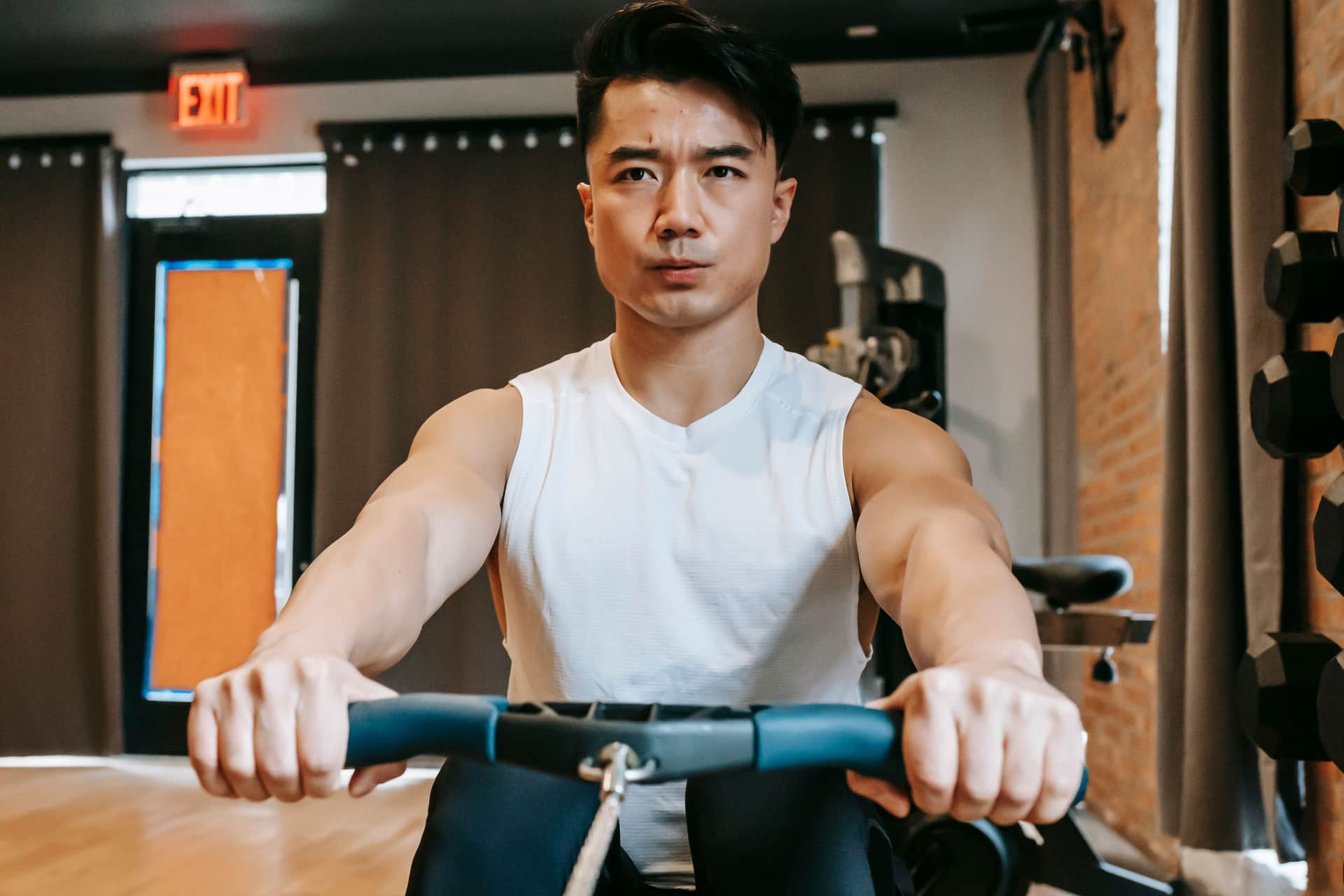
“Are rowing machines bad for you?” is a fair question to ask before spending money on one, and the honest answer is reassuring: no, rowing is not bad for you. Done with reasonable form, it is low-impact, full-body cardio — one of the gentler ways to work your heart, lungs and most of your major muscles at once. What can cause trouble is not the machine but how it is used: a handful of predictable form errors, and doing too much too soon. This is general information about choosing and using equipment, not medical advice. If you have a health condition or injury, check with a doctor or physiotherapist before starting.
The short answer
The machine itself is about as benign as cardio equipment gets. There is no impact, because you are seated and the motion is a smooth slide rather than a pounding; the resistance is driven by your own effort, so you are never forced to move faster or harder than you choose; and the stroke, done properly, spreads the work across the legs, back, core and arms rather than loading any single joint. The risks that exist are real but avoidable, and they fall into two buckets: form and volume.
The real risk is form, not the machine
Almost every complaint about rowing traces back to technique. Three errors account for most of it.
- Rounding the lower back under load. This is the big one. Rowing should be a straight-backed hip hinge; when the spine rounds and you pull with a curved lower back, the force of the drive travels through the spine instead of the legs. Keep a straight (not rigid) back, chest up, hinging from the hips through the whole stroke.
- Over-yanking with the arms. Pulling the handle with bent arms before the legs have done their job overloads the shoulders and elbows and robs the stroke of the leg drive that should power it. The order is legs first, then back, then arms.
- Over-flexing the knees at the front. Sliding all the way forward until the knees are jammed into your chest over-compresses the knees and hips. Come forward only until the shins are roughly vertical and stop there, rather than crushing yourself into a ball every stroke.
None of these are the machine’s fault, and all of them are fixable. The stroke sequence is simple once you have seen it laid out, and the same short list of mistakes comes up again and again. The form guide walks through the stroke, and the common mistakes guide covers the errors and their fixes. The back specifically has its own guide here.
The other risk: too much, too soon
The second bucket is volume. Rowing feels easy on the joints, which tempts beginners into long, hard sessions before the body has adapted. Sore, over-worked muscles, tight forearms from gripping the handle too hard, and a cranky lower back the next day usually come from doing too much in week one, not from anything wrong with rowing. Start with short sessions at an easy pace, add minutes before you add intensity, and hold the handle lightly — it does not need to be strangled.
Who should be a little more cautious
For most healthy adults, rowing is a low-risk choice. Some people should get personal advice first, and this is where a buying guide has to stop and hand off to a professional. If you have an existing back, neck, knee, hip or shoulder problem, a heart condition, uncontrolled blood pressure, or you are recovering from surgery or an injury, the right move is to ask a doctor or physiotherapist whether rowing suits you and how to set it up — not to take a website’s word for it. We are describing equipment and general fitness, not your individual situation.
How the right machine reduces strain
Equipment choice does not replace good form, but it makes good form easier to hold.
- A rail long enough for your legs.This is the big one. If the seat runs out of travel before your legs fully extend, you are forced to finish the stroke by leaning back with your lower back — rounding under load, every stroke. Taller rowers should check rail length before anything else.
- A seat that fits, on a machine you can mount easily. A machine you can get on and off without straining keeps you in a good position rather than contorting to get seated, which is where a lot of one-off tweaks happen.
- Smooth, progressive resistance.A machine whose stroke has a jerky dead spot encourages you to yank to get past it; a smooth, progressive stroke — the reason air and water machines feel the way they do — lets you drive evenly with the legs. A frame that flexes or slides on the floor has the same effect, tempting you to fight it. How the resistance types compare is here.
Put simply, a machine that fits your body and moves smoothly nudges you toward good technique, while a machine that fights you nudges you toward the errors above. Forgiving, beginner-friendly machines are here.
What rowing is good at
It is worth stating the positive case plainly, because “is it bad for you” questions can leave a lopsided impression. Rowing is one of the few home-cardio movements that is genuinely full-body: a single stroke drives with the legs, swings through the back and finishes with the arms, so a short session works far more of the body than pedaling a bike or walking on a treadmill. It is also low-impact, seated and self-paced, which makes it easy to scale from very gentle to very hard on the same machine. That combination — whole-body, low-impact and adjustable — is exactly why so many people get on with it, and it is general fitness, not a treatment for anything.
Rowing versus higher-impact cardio
Compared with running, rowing removes the repeated impact that some people find hard on the knees, hips and back, while still raising the heart rate and working the legs. Compared with a bike, it adds the upper body and core. That does not make it automatically better or safer for you specifically — only a professional can say that — but as a general category, low-impact, full-body cardio is a sensible default for anyone who wants to stay active while going easier on the joints.
Warm up before the hard efforts
A lot of first-session aches are simply a cold body asked to work hard. A few easy minutes at a relaxed pace before you push, and an easy few minutes to finish, let the muscles and joints ease into and out of the work. This matters more the harder you intend to row, and more still if you are older or stiff to begin with. A simple warm-up is here. It is one of the cheapest ways to make rowing feel better and to keep the avoidable aches away.
Grip lightly to save your hands and forearms
Tight, tired forearms and sore hands are among the most common early complaints, and they are almost always a grip problem rather than a rowing problem. The handle only needs a light hook of the fingers, not a white-knuckle clench; squeezing hard all the way through the stroke fatigues the forearms fast and does nothing for the drive, which comes from the legs. Looking after your hands is covered here. Loosen the grip, and most of it disappears.
Building up sensibly
The safest way to start is almost boringly simple: short sessions, an easy pace, a few times a week, and small increases from there. Add a few minutes to the session before you add intensity, and give yourself an easy day after a hard one. Most of the trouble people blame on rowing machines comes from ignoring this and treating week one like week ten. Progress that feels almost too slow is progress you can sustain — and sustainable is the whole point of buying a machine for the house rather than a gym membership you stop using.
The verdict
So, are rowing machines bad for you? No — for most people they are one of the safest, lowest-impact ways to get full-body cardio at home. The machine is rarely the problem. Rounding your back, yanking with your arms, over-flexing your knees and doing too much too soon are the problems, and every one of them is within your control. Learn the stroke, build up slowly, buy a machine that fits your body, and check with a professional if you have any condition that makes you unsure. Do that, and rowing is far more likely to help than harm.
Straight answers
Questions people actually ask
Are rowing machines bad for you?
No. Done with reasonable form, rowing is low-impact, full-body cardio and one of the gentler ways to train your heart and muscles. The risks come from how it is used, not the machine: rounding the lower back, yanking with the arms, over-flexing the knees, and doing too much too soon. All are avoidable. This is general information, not medical advice - if you have a health condition, check with a doctor or physiotherapist first.
Can a rowing machine damage your joints?
Rowing is low-impact and seated, so there is no jarring through the joints the way there is with running. Strain usually comes from technique - over-compressing the knees by sliding too far forward, or overloading the shoulders by pulling with the arms before the legs - rather than from impact. Good form and a machine that fits your body keep the load where it belongs, on the big muscles rather than the joints.
Is it bad to use a rowing machine every day?
For most people, daily easy rowing is fine, but it is easy to overdo intensity when a workout feels low-impact. Soreness, tight forearms and a stiff back the next day usually mean too much too soon rather than daily rowing itself. Vary the effort, keep most sessions easy, and build volume gradually. If you have a condition or an injury, ask a professional how often is appropriate for you.
Who should not use a rowing machine?
That is a question for a doctor or physiotherapist, not a buying guide. In general, anyone with an existing back, knee, hip or shoulder problem, a heart condition, uncontrolled blood pressure, or who is recovering from surgery or injury should get personal advice before starting and on how to adapt the setup. We describe equipment and general fitness, not individual medical situations.
Are rowing machines bad for your back?
Not inherently - rowing done well is low-impact and works the back rather than harming it. The problem is rounding the lower back under load, or using a rail too short for your legs, which forces you to lean back and round to finish the stroke. Keep a straight back and hinge from the hips, and choose a rail long enough for your inseam. If you have a back condition, get professional advice first.
Are rowing machines really low-impact?
Yes. You are seated the whole time and the motion is a smooth slide rather than a pounding, so there is no impact through the hips, knees and ankles the way there is with running. That is a big part of why rowing suits people who want full-body cardio without the jarring - though low-impact still means using good form and building up sensibly.
Show your working
Sources
- Concept2 — Compare indoor rowers (official specifications)Accessed 2026-07-24. https://www.concept2.com/indoor-rowers/compare
- Concept2 RowErg — air-resistance indoor rower specificationAccessed 2026-07-24. https://www.amazon.com/dp/B00NH9WEUA?tag=t5fitness-20
- WaterRower Natural — water-resistance indoor rower specificationAccessed 2026-07-24. https://www.amazon.com/dp/B0053BMWWU?tag=t5fitness-20
Keep going