Recovery
Active Recovery Rowing: Using the Erg on Rest Days
Using very light, short rowing on off days to stay loose - and how it differs from a steady-state workout.
We earn a commission if you buy through the links on this page, at no cost to you. It has no effect on what we recommend or the order we recommend it in — we say “skip this one” on machines that pay us the same as the ones we like. How we’re funded.
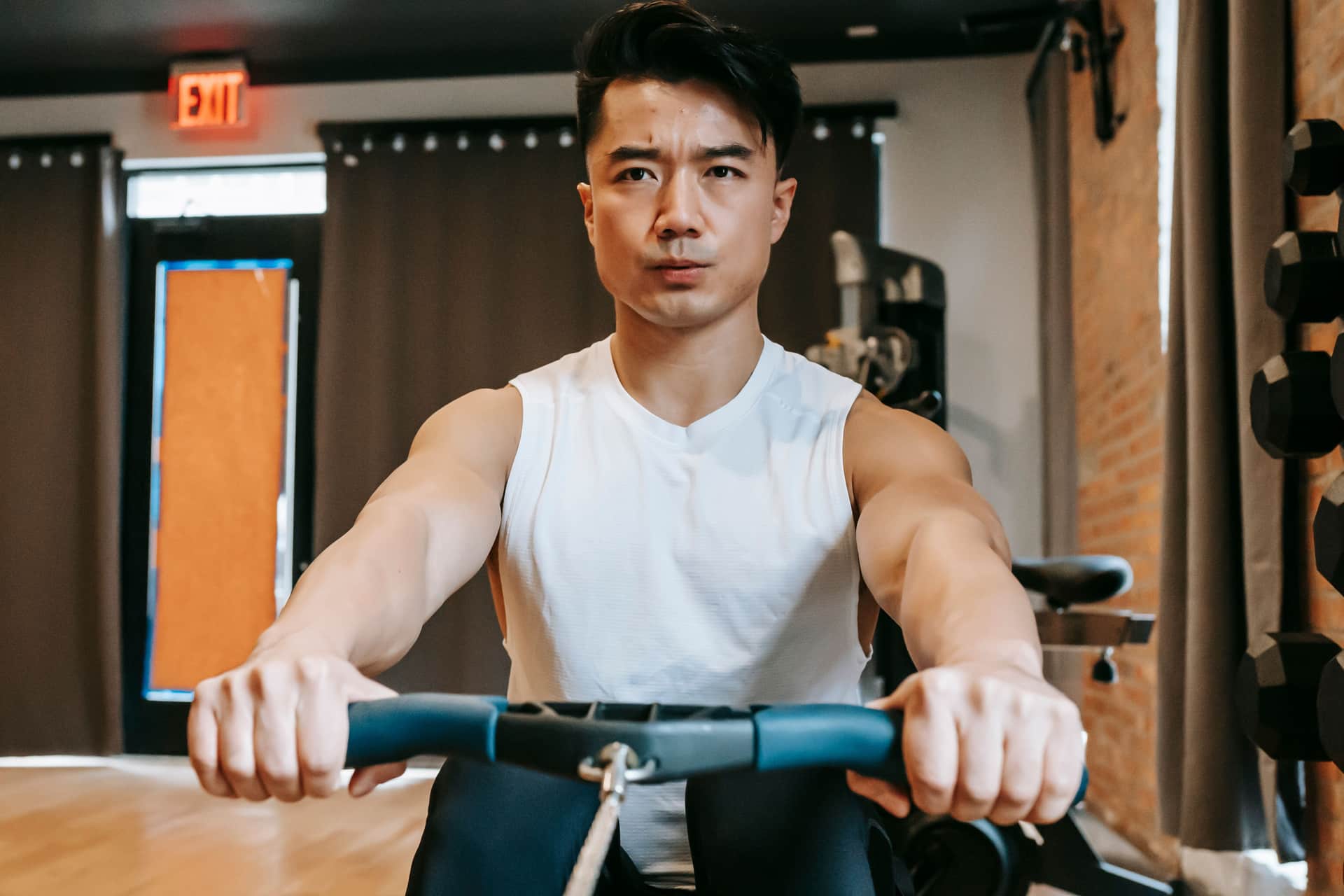
Active recovery rowing means getting on the erg for a very easy, very short spin on a day you are not training — not to get fitter, but to move blood through tired muscles and shake off stiffness. It sits somewhere between doing nothing and doing a real workout, and used well it can leave you feeling looser and readier for your next hard session. This is general information about training habits, not medical advice; if you have an injury or a health condition, a doctor or physiotherapist is the right person to ask before you push through anything.
What active recovery actually is
The whole idea rests on one principle: gentle movement encourages circulation, and circulation is what carries fresh blood to muscles that worked hard yesterday. A slow, relaxed row keeps the joints moving through their range and the muscles contracting lightly, without adding the kind of stress that needs its own recovery. Think of it as topping up rather than spending — you should finish an active recovery session feeling better than you started, never more tired. If it leaves you drained, it was not active recovery.
How easy is “easy”?
This is where most people get it wrong. Active recovery should feel almost pointlessly gentle. You want a pace at which you could hold a full conversation without pausing for breath, a stroke rate that feels lazy, and a handle you are barely leaning on. If you find yourself breathing hard, watching the numbers, or chasing a split, you have drifted into training and defeated the purpose. Keep it short as well as light — a brief, easy spin is plenty. The moment it starts to feel like a workout, you have gone too far, so err on the side of less.
Active recovery is not steady-state training
This is the distinction that matters most, because the two can look similar from across the room. Steady-state trainingis a genuine workout: a sustained, moderate effort held long enough to build aerobic fitness, and it leaves a training stimulus your body then has to recover from. Active recovery is deliberately below that line — shorter, easier, and adding no real load. Steady-state is something you recover from; active recovery is part of the recovering. Blur the two and you turn a rest day into another training day, which is exactly the trap active recovery is meant to help you avoid.
Walking counts just as much
Nothing says active recovery has to happen on the machine. An easy walk, a gentle bike, a swim or light mobility work all do the same job, and variety can be a relief when the erg is where your hard sessions already happen. The point is light, comfortable movement, not the tool you use for it. If sitting on the rail on an off day tempts you to race yourself, a walk outside sidesteps the temptation entirely while still keeping the blood moving. Use whichever you are least likely to turn into a workout.
What it can and cannot do
It is worth being honest about the evidence here, because active recovery is often oversold. The research on whether light movement actually speeds muscle recovery is mixed, and the effect, where it exists, is modest. What many people report reliably is that they simply feel better — less stiff, more mobile, mentally fresher — after a gentle spin than after sitting all day. That feeling is a perfectly good reason to do it. Just do not expect it to erase real fatigue or to make up for skimping on sleep and food, which do far more for recovery than any amount of easy rowing.
Who it suits, and who should just rest
Active recovery tends to suit people who feel worse sitting still, who like a daily routine, or who simply enjoy the ritual of a short easy row. It can help you stay loose between hard days and keep the habit ticking over. But it is not compulsory, and full rest is not the lesser option. If you are genuinely fatigued, run down, or sore in a way movement does not ease, doing nothing is often the smarter choice. Ordinary muscle soreness usually eases with gentle movement; pain that is sharp, worsening or joint-centered is a reason to rest and, if it lingers, to get it checked.
Fitting it into your week
Active recovery earns its place on the days between your harder efforts, filling the gap without eating into it. It pairs naturally with the wider rhythm of easy and hard days that keeps training sustainable — recovering well after rowing is as much about how you arrange the week as what you do in any one session. If you are unsure how many days that leaves for real training, how often you should row works through a sensible weekly balance. The guiding rule is simple: if a session is not clearly easy, it is not active recovery.
The bottom line
Active recovery rowing is a small, optional tool: a very easy, very short spin that keeps you loose and moving on days you are not training. Keep it gentle enough to hold a conversation, keep it short, and never let it creep up into a workout — the day you start chasing a number, it stops being recovery. Rest fully when you need to, move gently when that feels better, and remember this is general guidance rather than a treatment plan. If soreness or fatigue is not the ordinary kind, or you have a health condition, ask a professional rather than rowing through it.
Straight answers
Questions people actually ask
What is active recovery rowing?
It is a very easy, very short row on a day you are not training, done to move blood through tired muscles and stay loose rather than to build fitness. It sits between complete rest and a real workout, and should leave you feeling better than when you started, never more tired. This is general information, not medical advice.
How easy should active recovery rowing be?
Almost pointlessly gentle. You should be able to hold a full conversation without pausing for breath, at a lazy stroke rate, barely leaning on the handle. If you are breathing hard or chasing a split, you have drifted into training. Keep it short as well as light.
Is active recovery the same as steady-state training?
No. Steady-state is a genuine workout - a sustained, moderate effort that builds aerobic fitness and leaves a training stimulus to recover from. Active recovery is deliberately below that line: shorter, easier, and adding no real load. Steady-state is something you recover from; active recovery is part of recovering.
Should I do active recovery or just rest?
Both are valid. Full rest is often the smarter choice when you are genuinely fatigued or sore in a way movement does not ease. Active recovery suits people who feel better with gentle daily movement. There is no medal for training through real fatigue, so choose based on how you actually feel.
Does active recovery actually speed up recovery?
The evidence is mixed, and any effect is modest. What many people report reliably is simply feeling less stiff and mentally fresher after gentle movement than after sitting all day, which is a good enough reason on its own. Do not expect it to erase real fatigue or replace good sleep and food.
Show your working
Sources
- Concept2 — Compare indoor rowers (official specifications)Accessed 2026-07-24. https://www.concept2.com/indoor-rowers/compare
Keep going