Training
Does a Rowing Machine Work Your Upper Body?
Rowing looks like an arm exercise and is mostly a leg one. Here is what the upper body genuinely does in the stroke, and the honest ceiling on it.
We earn a commission if you buy through the links on this page, at no cost to you. It has no effect on what we recommend or the order we recommend it in — we say “skip this one” on machines that pay us the same as the ones we like. How we’re funded.
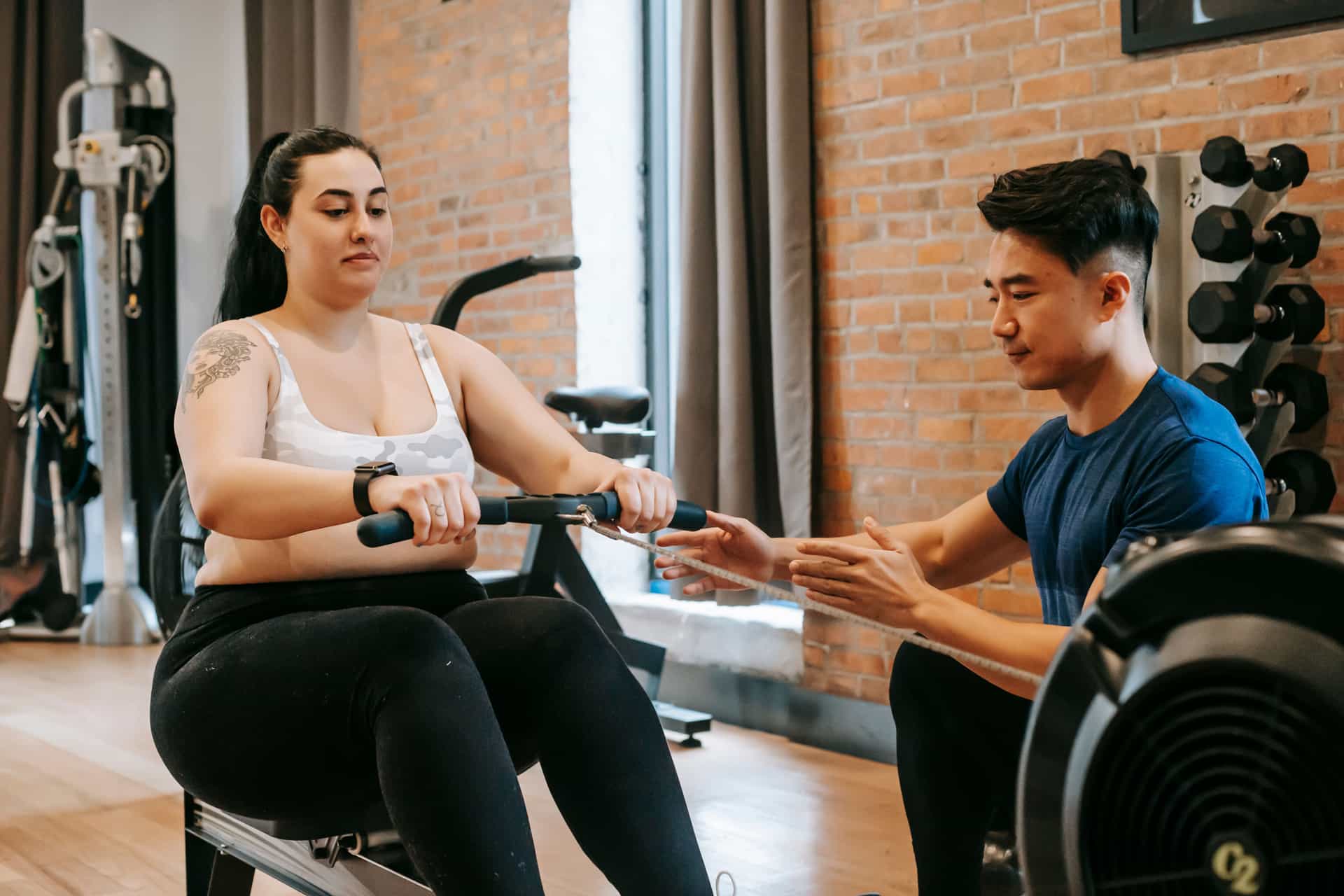
Short answer: yes, a rowing machine works your upper body — your lats, rhomboids, rear deltoids, biceps, forearms and the whole middle of your back all do real work on every stroke. But it works the upper body less than it looks like it does, and substantially less than it works your legs. The widely used coaching rule of thumb puts the stroke at roughly sixty percent legs, thirty percent core and back, and ten percent arms. That ten percent is not nothing — multiplied across a thousand strokes it is a serious amount of pulling volume — but anyone buying a rower primarily to build arms or a chest is buying the wrong machine. This is general fitness information, not medical advice; if you have a shoulder, elbow or neck condition, get personal guidance first.
What the upper body actually does in the stroke
The rowing stroke runs in a strict order, and the upper body comes last. The drive starts with the legs pressing the footplate away; the back then swings open from the hips; only then do the arms draw the handle into the body. That sequence is what keeps the legs in charge, and it is covered in full in how to use a rowing machine and rowing machine form.
- Lats and the mid-back. The biggest upper-body contributors by far. As the handle comes in, the latissimus dorsi, rhomboids and middle trapezius pull your shoulder blades together and your elbows past your ribs. This is a horizontal pulling pattern — the same family as a bent-over row — which is why rowing tends to thicken the back rather than widen the shoulders.
- Rear deltoids and upper back. Worked throughout the finish, and worked in the direction most desk-bound people are weakest. This is the mechanism behind the claim that rowing helps posture, which we handle honestly in does a rowing machine improve posture.
- Biceps and forearms. The elbows flex to finish the stroke and the grip holds the handle for the entire session. The grip is often the first thing to fail on a long piece, which is why hand care is a real topic in this sport rather than a trivial one.
- Shoulders and chest, barely. The anterior deltoids and chest stabilise and support the arms through the recovery, but they are not loaded in the way a press loads them. Rowing is a pulling movement. If you only row, you are training one half of an upper-body pair.
The honest ceiling, and the thing that is usually wrong
Two limits are worth being blunt about. The first is that the resistance is self-limiting: you can only pull as hard as you can sustain for the piece, so the load per stroke stays well below what a weight room puts through the same muscles. Rowing builds pulling endurance superbly and builds size only at the low-rate, high-force end. The fuller version of that argument is in does rowing build muscle.
The second is the most common technique fault in the sport, and it is an upper-body one. Beginners pull with their arms early, breaking at the elbows before the legs have finished driving. That feels like harder upper-body work and is actually less total work — you are using the small muscles to do the big muscles’ job, which caps your power and loads your lower back. If your arms and lower back are tired after a session and your legs are fresh, that is the fault, not a feature. It is first on the list in common rowing machine mistakes.
How to get more upper body out of a rower
You can shift the emphasis without breaking the stroke, within limits.
- Row at a lower stroke rate with higher drag. More force per stroke, fewer strokes. The back and arms feel this immediately. The trade-off is explained in stroke rate explained and drag factor.
- Finish the stroke properly. Handle to the bottom of the ribs, elbows past the body, shoulder blades drawn together. A short finish quietly removes most of the upper-back work.
- Add the pressing half. Rowing cannot train your chest or overhead pressing because it never asks you to push. Push-ups, dips or any press alongside your rowing closes that gap, which is the premise of cross-training with a rower.
- Consider a sculls-style machine if the upper back is the whole point. Two independent handles through a wide arc give a different and broader upper-back stimulus than a single handle can, because you can row one-armed, alternating or together. The honest cost is that the movement is not the one you will meet on a gym erg, so your times will not transfer.
What the makers publish, and what they do not
There is no manufacturer figure for “upper-body engagement” and there never will be, so what follows is the published hardware that changes the upper-body experience: the resistance type, which decides whether a hard pull meets more resistance, and the handle arrangement, which decides what movement you are even doing.
| Machine | Resistance | Width | Monitor | Max user height |
|---|---|---|---|---|
| Concept2 RowErg | air | 24 in | PM5, Bluetooth + ANT+ | Not published |
| MERACH R26 Sculls | magnetic | 29.5 in | Performance monitor, Bluetooth | 76 in |
| Aviron Strong Series | air+magnetic | 27 in | 22" HD touchscreen | Not published |
| MERACH Q1S | magnetic | 19.3 in | LCD + MERACH app via Bluetooth | 79 in |
Where this lands
If upper-body pulling is what you are buying for
Concept2 RowErg
For anyone who wants the standard stroke done properly. Air resistance climbs with how hard you pull, so a low-rate, high-force session genuinely loads the back and arms, and the PM5 shows the watts so you can progress against a number instead of a feeling.
$990.00 · Check price on AmazonPrice as of October 5, 2026. #ad How we’re funded
MERACH R26 Sculls
For the reader whose actual goal is upper-back work. Two independent handles through a 120-degree arc allow one-arm, alternating and synchronised strokes that a single-handle rower cannot do. The trade: this is not the movement a gym erg tests, so times do not transfer.
Aviron Strong Series
For someone who wants the highest published resistance on a screen machine - a stated 100 lb from a combined air and magnetic system. It needs a $29/month membership, so only worth it if the coached sessions are a reason you will keep going.
Whichever you buy, the ranking that actually matters for this question is the resistance type, and the air-rower roundup is the short list. If you want the whole muscle picture rather than the upper-body half of it, start with muscles worked, then read does rowing work your legs, which is where the other sixty percent of the stroke lives.
Straight answers
Questions people actually ask
Does a rowing machine work your upper body?
Yes, but less than it appears to. The lats, rhomboids, rear deltoids, biceps and forearms all work on every stroke, and the coaching rule of thumb puts the arms at roughly ten percent of the stroke with another thirty percent going to core and back. It is a genuine horizontal pulling exercise, and it is not a substitute for upper-body strength training.
Does rowing work your chest?
Barely. Rowing is a pulling movement - the chest and front shoulders stabilise and support but are never loaded the way a press loads them. If you only row, you are training one half of an upper-body pair, so add push-ups, dips or any pressing movement alongside it.
Does a rowing machine build arms?
It builds arm and grip endurance strongly and arm size only modestly, because the biceps and forearms finish a stroke the legs and back have already powered. If bigger arms are the goal, rowing is conditioning beside a strength program rather than the program itself.
Why are my arms and lower back tired but not my legs?
That is the most common technique fault in rowing: pulling with the arms before the legs have finished driving. It feels like harder upper-body work and is actually less total work, because the small muscles are doing the big muscles' job. Fix the sequence - legs, then back swing, then arms - and the session will feel completely different.
How do I make rowing more of an upper-body workout?
Row at a lower stroke rate with higher drag so each stroke carries more force, and finish every stroke properly with the handle at the bottom of the ribs and the shoulder blades drawn together. A sculls-style machine with two independent handles gives a broader upper-back stimulus, at the cost of a stroke that does not transfer to a gym erg.
Show your working
Sources
- Concept2 — Compare indoor rowers (official specifications)Accessed 2026-07-24. https://www.concept2.com/indoor-rowers/compare
- Concept2 - Training and technique resourcesAccessed 2026-07-24. https://www.concept2.com/training
- Concept2 RowErg - published specificationsAccessed 2026-07-24. https://www.amazon.com/dp/B00NH9WEUA?tag=t5fitness-20
- MERACH R26 Sculls - published specificationsAccessed 2026-07-24. https://www.amazon.com/dp/B0DT6ZMCJ1?tag=t5fitness-20
- Aviron Strong Series - published specificationsAccessed 2026-07-24. https://www.amazon.com/dp/B0CVMWYS2F?tag=t5fitness-20
- MERACH Q1S - published specificationsAccessed 2026-07-24. https://www.amazon.com/dp/B0B2P23DBS?tag=t5fitness-20
Keep going