Physiology
What Muscles a Rowing Machine Works
Legs first, then back, then arms — and the roughly 60/20/20 split that explains why rowing feels like leg day to everyone who expected an arm workout.
We earn a commission if you buy through the links on this page, at no cost to you. It has no effect on what we recommend or the order we recommend it in — we say “skip this one” on machines that pay us the same as the ones we like. How we’re funded.
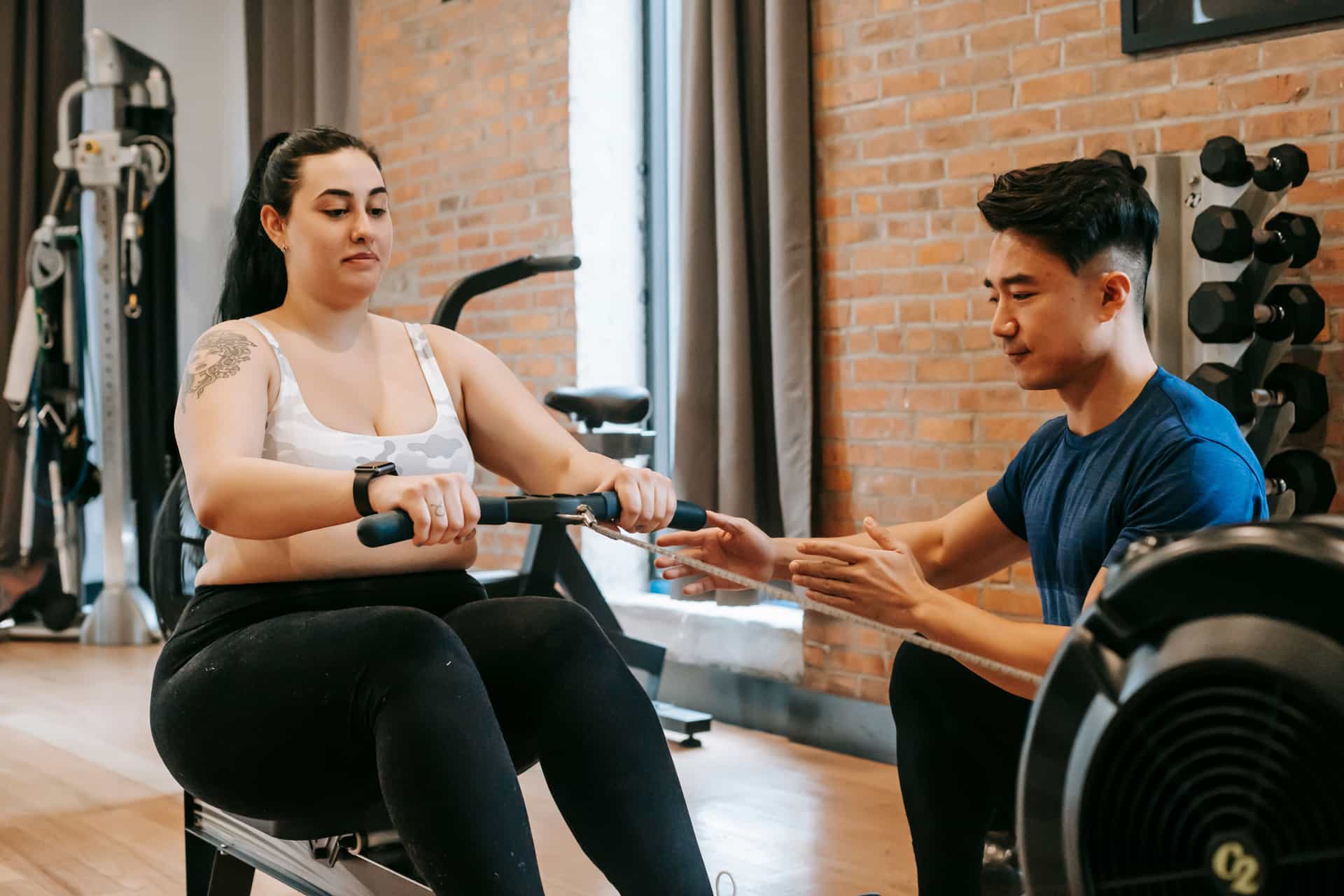
Nearly every rowing machine listing you will read claims the stroke engages somewhere between 85% and 90% of your muscles. Hydrow says 86%. MERACH says 86%. Aviron says 86%. YOSUDA says 90%.
None of them cite where the figure comes from. We are repeating that they say it, not telling you it is so.
What can be said without a citation problem is which muscles do what, and in which phase — because that follows from the mechanics of the movement, and it is more useful than a percentage anyway.
The split: roughly 60/20/20
About 60% of the power in a rowing stroke comes from your legs, about 20% from your back and core, and about 20% from your arms. This is the standard coaching breakdown and it explains most of what surprises people about rowing.
Phase by phase
The drive: legs
Quadriceps extend the knees — the primary movers, and the reason your thighs are what burn first.
Glutes extend the hips. On a well-executed stroke these do a great deal of work, and on a poorly executed one they do almost none.
Calves stabilize against the footplates throughout.
The mid-drive: posterior chain
Spinal erectors hold the back straight and hinge the body back. This is the phase where rounding your back causes trouble.
Hamstrings assist hip extension alongside the glutes.
Core and abdominals transfer force from your legs into the handle. Without a braced core, some of the leg drive is simply lost.
The finish: back and arms
Latissimus dorsi pull the handle towards your body — the big back muscles, and the ones most people are surprised to feel the next day.
Rhomboids and trapezius retract the shoulder blades.
Taken together these are a horizontal pulling pattern, which is why a rower thickens a back rather than widening shoulders — does rowing work your upper body goes through what that does and does not cover. It is also why people confuse an indoor rower with the fixed-seat machine of nearly the same name: rowing machine versus seated row separates the two.
Biceps and forearms finish the pull and grip the handle. The smallest contribution, and the one beginners overuse.
The recovery: everything, lightly
Hip flexors and hamstrings draw you back up the slide, the core keeps you stable, and the shoulders stay relaxed. It is active, not passive.
Why this matters if you sit at a desk
Rowing is one of very few cardio machines that loads the posterior chain: lats, rhomboids, spinal erectors, glutes. Those are the muscles that pull your shoulders back and hold you upright — the direct opposite of the shape most desk-based work puts you in.
A bike and a treadmill both train your legs and your cardiovascular system and leave your back out of it entirely. That comparison is here.
Is rowing a strength workout?
Not really, and it is worth being straight about that.
Rowing is a cardiovascular movement performed against light-to-moderate resistance at high repetition. It builds muscular endurance and it will build some size in untrained people, but it is not a substitute for lifting. Competitive rowers strength train separately, which tells you most of what you need to know.
What it is exceptionally good at is training a lot of muscle mass aerobically at once, with no impact.
What technique changes
The 60/20/20 split is what happens when the stroke is sequenced correctly. Pull with your arms first and you invert it — small muscles doing work the big ones should be doing, less power, more fatigue, and a back that is being asked to make up the difference.
Ten minutes on the sequence is the highest-return thing you can do.
This is general information rather than medical advice. If you have an existing back, knee or heart condition, talk to a doctor before starting.
Straight answers
Questions people actually ask
What muscles does a rowing machine work?
Quadriceps, glutes and calves on the drive; spinal erectors, hamstrings and core through the middle; latissimus dorsi, rhomboids, trapezius, biceps and forearms at the finish. The split is roughly 60% legs, 20% back and core, 20% arms, which is why rowing feels like leg day to people who expected an arm workout.
Does rowing build muscle?
It builds muscular endurance, and it will build some size in untrained people, but it is not a substitute for lifting. Rowing is a cardiovascular movement against light-to-moderate resistance at high repetition. Competitive rowers strength train separately, which tells you most of what you need to know.
Is rowing good for your back?
Rowing trains the posterior chain - spinal erectors, lats, rhomboids - which are the muscles that hold you upright and counteract sitting. Done with a rounded back or on a rail too short for your legs, it can cause problems instead. Technique and rail length are what determine which of those you get. This is general information, not medical advice.
Does a rowing machine work your abs?
Yes, though as a stabilizer rather than a prime mover. Your core transfers force from your legs into the handle, and without a braced midsection some of the leg drive is simply lost before it reaches the chain. You will feel it, but rowing is not an abdominal exercise in the way a crunch is.
Do rowing machines really work 86% of your muscles?
That figure appears on listings from Hydrow, MERACH and Aviron, and YOSUDA states 90%, but none of them cite a source for it. We are reporting that manufacturers say it rather than confirming it. What is uncontroversial is that rowing is a genuinely full-body movement: legs, core, back and arms all contribute, in that order.
Is a rowing machine a good full-body workout?
Yes - it is one of the few cardio machines that meaningfully loads the posterior chain rather than just the legs. A bike or treadmill trains your legs and cardiovascular system and leaves your back out of it. Rowing engages roughly 60% legs and 40% back, core and arms, with no impact phase at all.
Show your working
Sources
- Hydrow Wave — manufacturer's 86% muscle-engagement claimAccessed 2026-07-24. https://www.amazon.com/dp/B0BHLXDZ2N?tag=t5fitness-20
- MERACH Q1S — manufacturer's muscle-engagement claimAccessed 2026-07-24. https://www.amazon.com/dp/B0B2P23DBS?tag=t5fitness-20
- YOSUDA Water Rower — manufacturer's 90% claimAccessed 2026-07-24. https://www.amazon.com/dp/B0F215MRX6?tag=t5fitness-20
- Aviron Strong Series — manufacturer's 86% claimAccessed 2026-07-24. https://www.amazon.com/dp/B0CVMWYS2F?tag=t5fitness-20
- Concept2 — Compare indoor rowers (official specifications)Accessed 2026-07-24. https://www.concept2.com/indoor-rowers/compare
Keep going
Read next
- Foam rolling for rowersRolling the areas rowing loads most.
- How to use a rowing machineThe sequence that produces the 60/20/20 split.
- Rowing machine vs exercise bikeWhy the posterior chain matters if you sit all day.
- Best rowing machines for beginnersWhere to start.
- Rowing machine vs treadmillImpact, and what each machine trains.
- The benefits of a rowing machineThe full case, muscles included.
- Does rowing build muscle?What rowing can and cannot do for size.
- Does rowing work your legs?Why the drive is mostly legs, and how to use them.
- Is rowing cardio or strength training?Cardio first, with a strength-endurance edge.