Cross-training
Rowing Machine Cross-Training for Runners
For a runner, a rowing machine is high-end cardio with none of the pounding - and it trains the back and pulling muscles that running quietly neglects.
We earn a commission if you buy through the links on this page, at no cost to you. It has no effect on what we recommend or the order we recommend it in — we say “skip this one” on machines that pay us the same as the ones we like. How we’re funded.
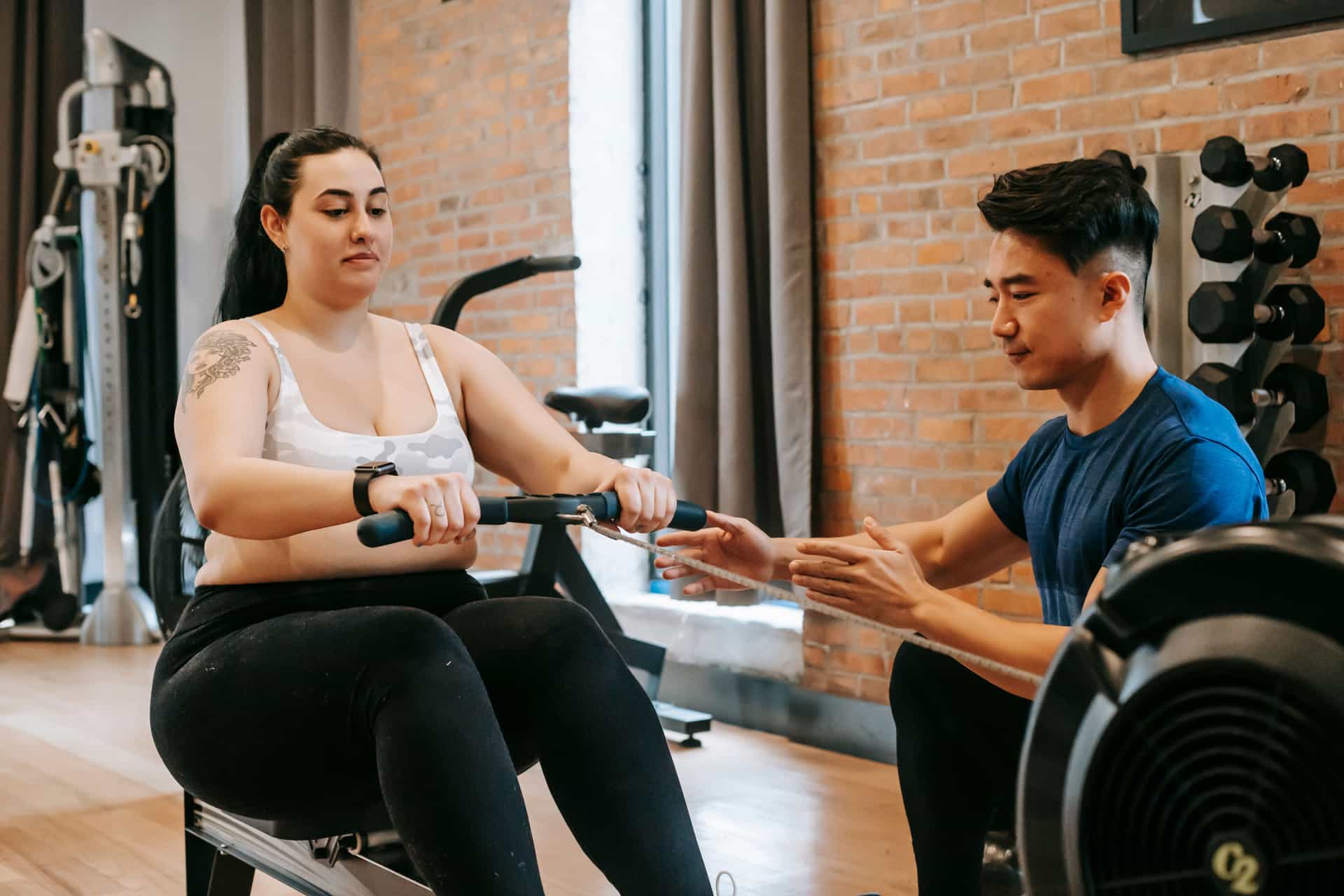
Running builds superb cardiovascular fitness and a lot of repetitive impact. A rowing machine gives a runner most of the first with none of the second, which makes it one of the best cross-training tools there is — for adding cardio volume without adding mileage, for staying fit through a niggle, and for training the muscles running quietly ignores.
Zero impact, full cardio
Every running stride sends a multiple of your body weight through your ankles, knees and hips. A rowing stroke has no impact phase at all — your feet stay on the footplates and the seat carries your weight. That means you can add a hard cardio session the day after a long run without piling more pounding onto tired legs, which is exactly when extra running tends to cause injuries. The full rowing-versus-running comparison is here.
It trains what running neglects
Running is almost entirely a forward, lower-body movement. Rowing loads the posterior chain — your lats, rhomboids and mid-back — and adds a genuine pulling pattern that running never provides. The muscle breakdown is here. For a runner, that upper-back and core work is not just variety; it supports posture and helps balance a training week that is otherwise all legs.
How to use it in a running week
- Recovery day.A 20–30 minute easy row flushes the legs without impact — better active recovery than another slow jog.
- Extra cardio. Add an interval session midweek to raise your aerobic ceiling without adding running volume.
- Through injury. When a running niggle forces a break, rowing keeps your fitness intact so you return closer to where you left off rather than starting again.
Which machine suits a runner
Runners tend to care about honest, comparable numbers, which points to an air rower with a proper monitor — the Concept2 RowErg is the natural fit, and its split times mean the same thing everywhere. If space or noise is the constraint, a good magnetic machine cross-trains just as well. This is general fitness information, not medical advice; if you are managing an injury, follow the guidance of a physiotherapist or doctor.
Straight answers
Questions people actually ask
Is rowing good cross-training for runners?
Yes - it is one of the best. Rowing gives a runner high-end cardio with no impact, so you can add hard sessions without piling more pounding onto tired legs, and it trains the back and pulling muscles that running neglects. It is excellent for recovery days, extra aerobic volume and staying fit through injury.
Can I keep my running fitness by rowing through an injury?
Largely, yes. Because rowing has no impact phase and loads the cardiovascular system hard, it maintains aerobic fitness well when a running niggle forces a break - so you return closer to where you left off rather than starting over. Always follow the guidance of a physiotherapist or doctor when managing an injury.
How often should a runner cross-train on a rowing machine?
One or two sessions a week fits most running weeks: an easy row on a recovery day and an optional interval session for extra aerobic work. The point is to add cardio and posterior-chain work without adding running mileage, so keep the easy rows genuinely easy.
Show your working
Sources
- Concept2 RowErg - published specificationsAccessed 2026-07-24. https://www.amazon.com/dp/B00NH9WEUA
- Concept2 - Compare indoor rowers (official specifications)Accessed 2026-07-24. https://www.concept2.com/indoor-rowers/compare
Keep going