Cross-training
Using a Rowing Machine for Cross-Training
Whatever your main sport, a rowing machine is one of the most useful cross-training tools you can own: full-body, zero-impact conditioning that complements almost everything.
We earn a commission if you buy through the links on this page, at no cost to you. It has no effect on what we recommend or the order we recommend it in — we say “skip this one” on machines that pay us the same as the ones we like. How we’re funded.
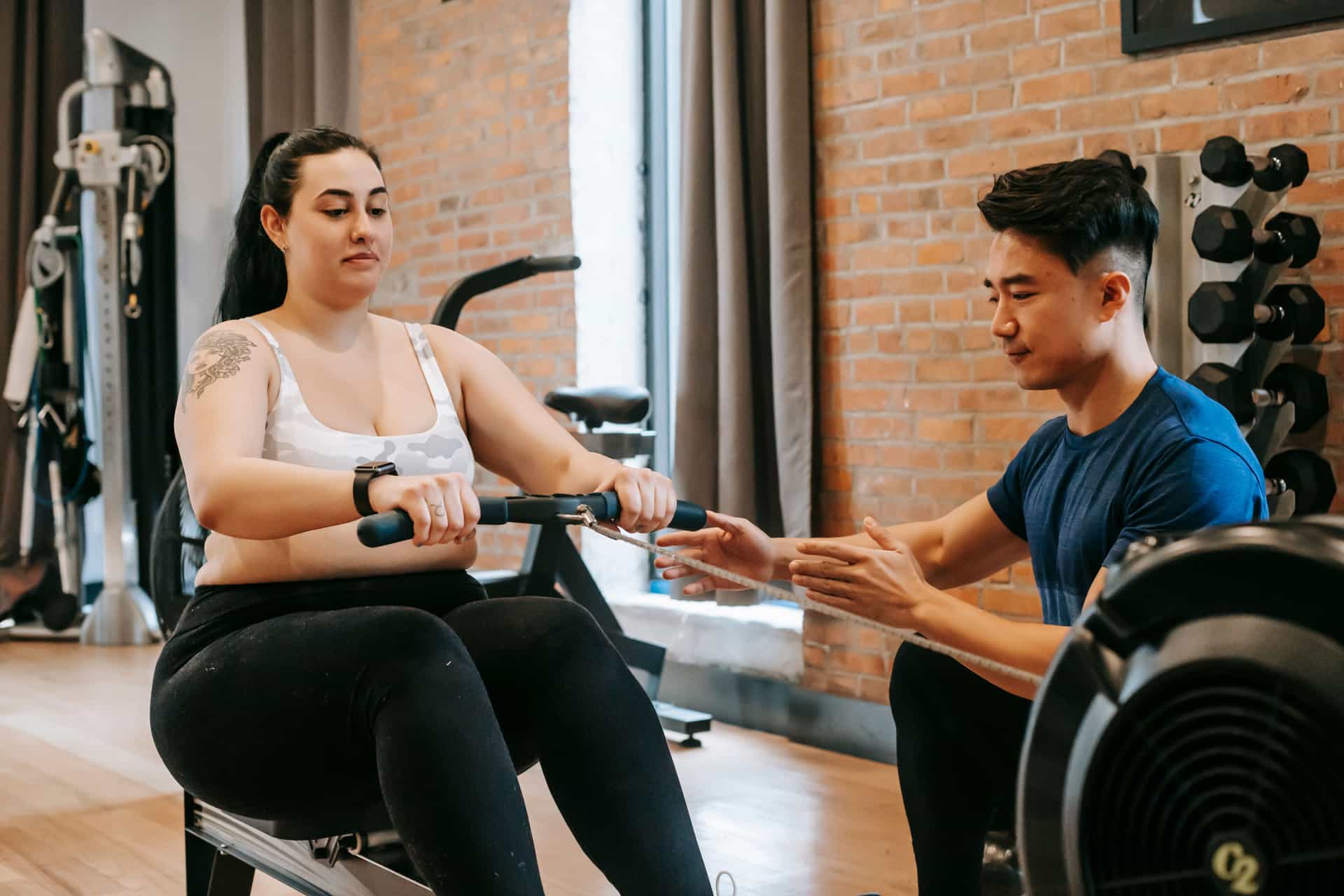
Cross-training means building fitness in a way that supports your main activity rather than competing with it, and rowing is unusually good at it. It is full-body, it has no impact phase, and it can be dialed from gentle recovery work to brutal conditioning — which makes it complement lifting, cycling, running and team sports alike.
Why rowing complements almost everything
Most sports are dominated by one pattern. Runners and cyclists train the legs and the front of the body; lifters often skip steady cardio; field-sport athletes need a conditioning base without more pounding. Rowing fills those gaps: it adds aerobic capacity without impact, and it loads the posterior chain — back, lats, rear shoulders — that most sports under-train. The muscle breakdown is here.
How to fit it into a training week
- As conditioning. One or two interval sessions a week build a cardio base without adding running mileage or bike volume.
- As active recovery.A 20-minute easy row the day after a hard session flushes the legs with zero impact — better recovery than sitting still or jogging.
- As a warm-up. Five easy minutes on the rower is a fast, full-body warm-up before lifting or sport. The warm-up guide is here.
Do not let it compete with your main sport
The one caution: cross-training should support, not sabotage. If rowing hard the day before your key session leaves you flat, dial it back — keep the hard rowing away from your most important workouts, and use easy rowing freely. Because rowing is low-impact, it is easier to over-add than running is, so let your main sport set the priorities.
Which machine suits cross-training
For most cross-trainers, an air rower with an honest monitor is ideal — the Concept2 RowErg gives you comparable numbers and resistance that scales with effort, which suits conditioning work. If quiet or space is the constraint, a good magnetic machine cross-trains just as well. This is general fitness information, not medical advice.
Straight answers
Questions people actually ask
Is a rowing machine good for cross-training?
It is one of the best cross-training tools there is: full-body, zero-impact conditioning that scales from gentle recovery to brutal intervals. It adds aerobic capacity without impact and loads the posterior chain most sports under-train, which is why it complements lifting, cycling, running and team sports alike.
How often should I cross-train on a rowing machine?
One or two interval sessions a week for conditioning, plus easy rows for active recovery or warm-ups as needed. Keep the hard rowing away from your most important sport sessions so it supports rather than sabotages them. Because rowing is low-impact, it is easy to over-add, so let your main sport set the priorities.
Can rowing replace running for cardio?
For cardiovascular fitness, largely yes - rowing delivers high-end conditioning with no impact and trains more of the body. If your sport is running specifically, you still need to run to train that skill, but rowing is excellent complementary cardio that spares your joints and can maintain fitness through a running break.
Show your working
Sources
- Concept2 RowErg - published specificationsAccessed 2026-07-24. https://www.amazon.com/dp/B00NH9WEUA
- Concept2 - Compare indoor rowers (official specifications)Accessed 2026-07-24. https://www.concept2.com/indoor-rowers/compare
Keep going