Physiology
Does a Rowing Machine Work Your Core and Abs?
Rowing genuinely works your core, but not the way a crunch does. Understanding how changes both your expectations and your technique.
We earn a commission if you buy through the links on this page, at no cost to you. It has no effect on what we recommend or the order we recommend it in — we say “skip this one” on machines that pay us the same as the ones we like. How we’re funded.
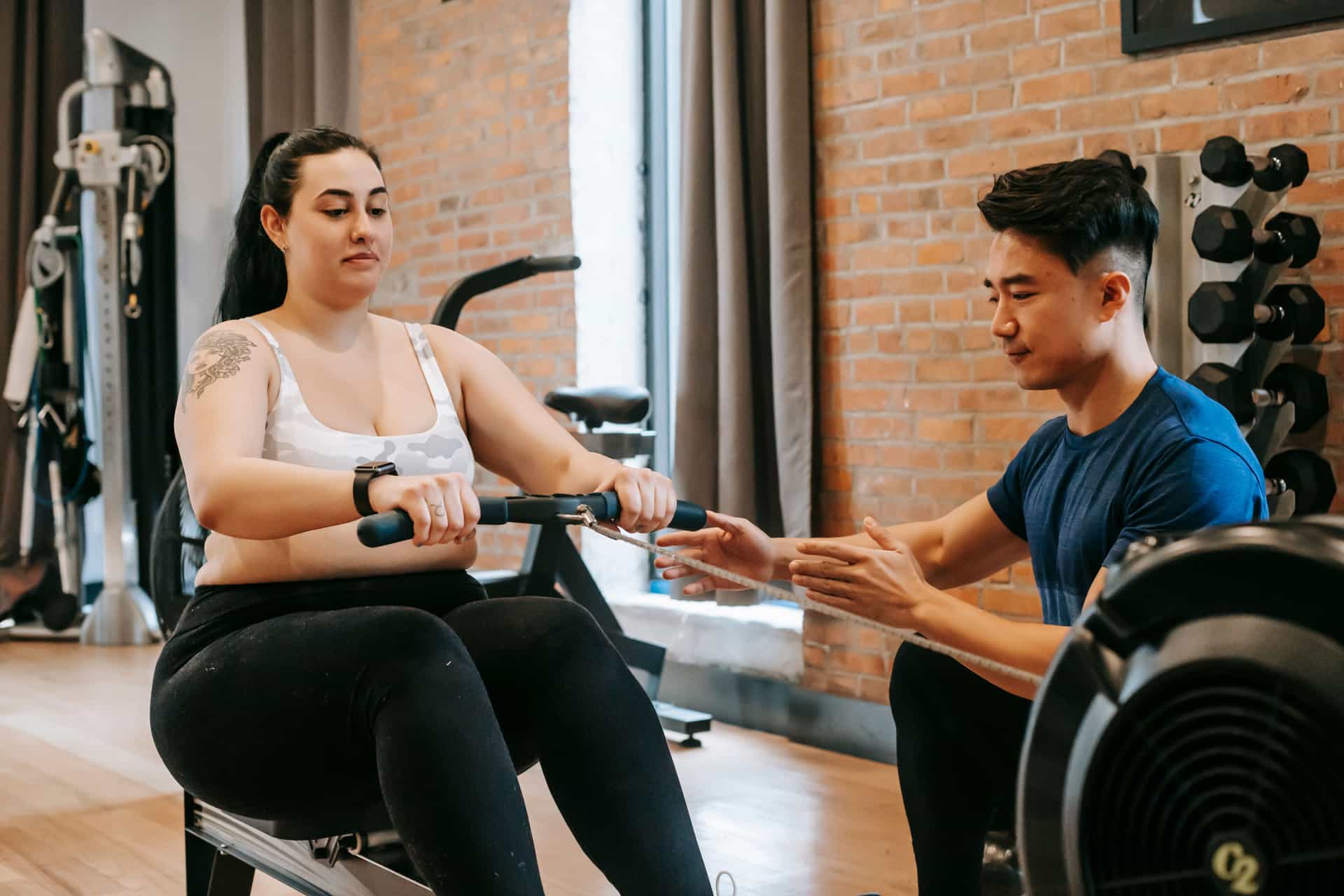
Rowing works your core, and it does so in a way that is more useful than most ab exercises, but it will not give you a six-pack on its own. The core’s job in the stroke is to transfer force and stabilize, not to crunch — and understanding that changes both what you should expect and how you should row.
What the core actually does in the stroke
On the drive, your legs push and that force has to travel through your midsection to reach the handle. A braced core is the link that transfers it; a slack one lets some of the leg drive leak away before it does any work. On the recovery and at the catch, the core stabilizes your spine as you hinge forward. So the core is working continuously, but as a transfer and stabilizing muscle — isometrically — rather than repeatedly shortening the way it does in a sit-up. The full muscle breakdown is here.
Why bracing improves your rowing, not just your abs
Because a braced core transfers power better, learning to engage it makes you a stronger rower, not only a more trained one. Think of holding a light, controlled tension through your middle from the catch through the drive — not clenching, but not collapsing. It protects your lower back at the same time, which is where rowing gets its reputation for back trouble when the stroke is rushed or rounded.
Honest expectations for abs
Visible abs are far more about body-fat percentage than about ab exercises, and that is true on a rowing machine as anywhere else. Rowing helps by burning well and building the underlying core musculature, but you will see the definition only if your overall training and nutrition bring your body fat down. The weight-loss plan here is the relevant lever, not extra crunches. This is general fitness information, not medical advice.
The bottom line
Rowing is a genuine core workout in the functional sense — it trains the midsection to brace and transfer force, which is what a core is actually for. It is one of the reasons rowing is a strong full-body choice, and it points to the same machines we recommend for everything else: a good stroke on a well-built machine trains your core every session. Our full picks are here.
Straight answers
Questions people actually ask
Does a rowing machine work your abs?
Yes, but as a stabilizer and force-transfer link, not the way a crunch does. On the drive, leg power travels through a braced core to reach the handle; at the catch and on the recovery, the core stabilizes your spine. It works continuously and isometrically, which is more useful than repeated crunching, but it will not reveal abs without lower body fat.
Will rowing give me a six-pack?
Rowing builds the underlying core musculature and burns well, but visible abs are mostly about body-fat percentage, not ab exercises. You will see the definition only if your overall training and nutrition bring your body fat down. Rowing helps with that through consistent, full-body calorie burn - not through extra crunches.
How do I engage my core when rowing?
Hold a light, controlled tension through your midsection from the catch through the drive - not clenching, not collapsing. A braced core transfers leg power to the handle more efficiently, so it makes you a stronger rower as well as a more trained one, and it protects your lower back from the rounding that causes rowing back trouble.
Show your working
Sources
- Concept2 RowErg - published specificationsAccessed 2026-07-24. https://www.amazon.com/dp/B00NH9WEUA
- Concept2 - Compare indoor rowers (official specifications)Accessed 2026-07-24. https://www.concept2.com/indoor-rowers/compare
Keep going