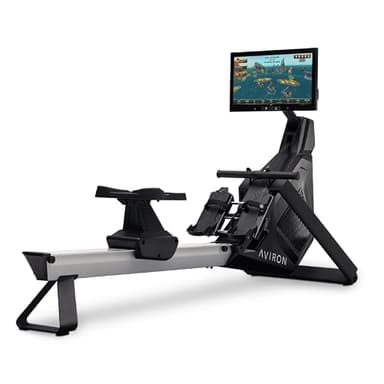
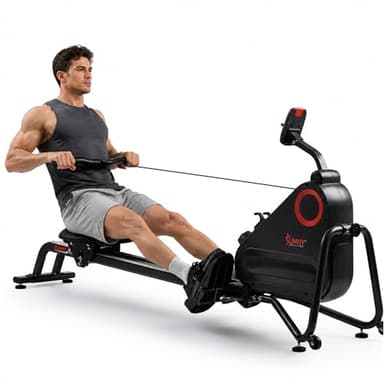
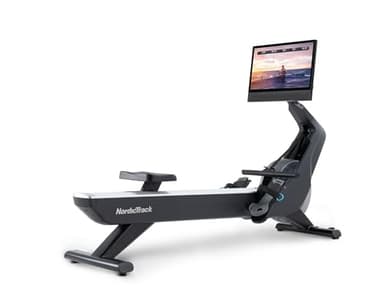
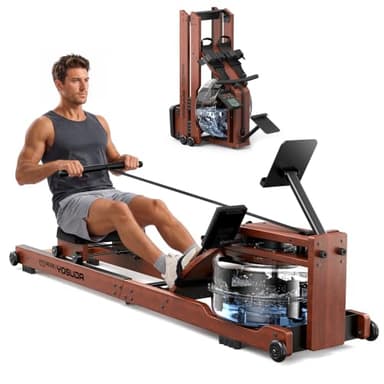
Resistance types
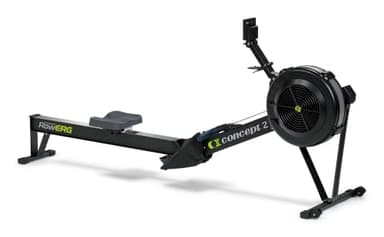
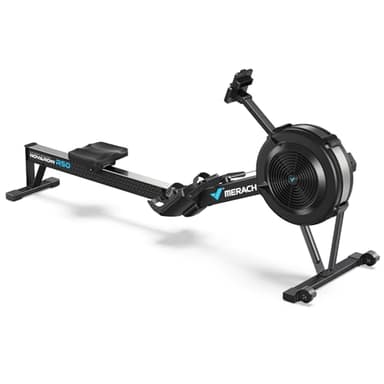
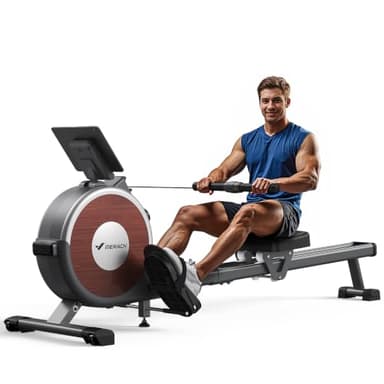
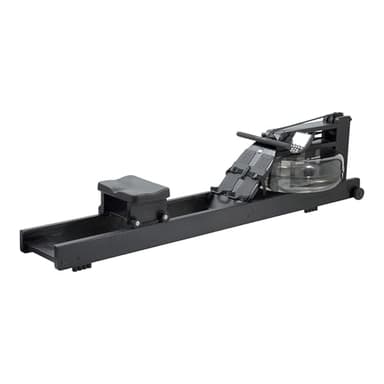
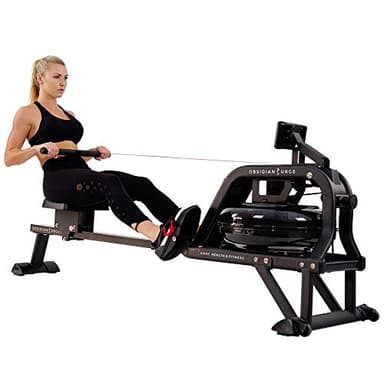
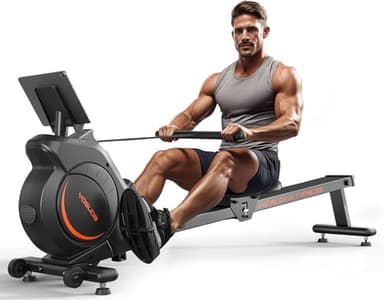
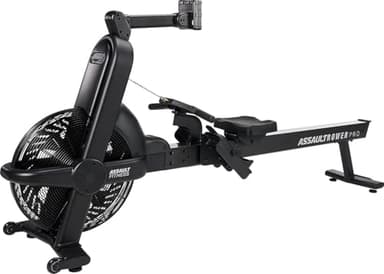
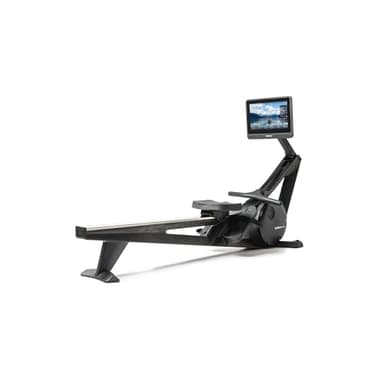
Water vs Air vs Magnetic Rowing Machines
The one decision that determines noise, price, floor space and whether you will still be using it in year three.
Top pick: Concept2 RowErg
Price as of July 24, 2026. #ad How we’re funded
Head to head
Head-to-head on the numbers that decide it — footprint, capacity, rail length and five-year cost, side by side.
We earn a commission if you buy through the links on this page, at no cost to you. It has no effect on what we recommend or the order we recommend it in — we say “skip this one” on machines that pay us the same as the ones we like. How we’re funded.

Most rowing machine comparisons are two feature lists side by side. Feature lists do not decide anything, because every machine in this category has a monitor, a sliding seat and a handle, and none of that is what you are actually choosing between.
The comparisons here are built around the four numbers that genuinely settle it.
Published length is the machine. The floor you need adds roughly a foot of length for handle travel at the catch and two feet of width for your elbows at the finish — the relationship Concept2 publishes between its 96-inch machine and its recommended 9 ft by 4 ft space.
That difference eliminates machines. A Concept2 needs 9 ft; a YOSUDA magnetic rower needs about 5.8 ft. In a spare bedroom that is decisive, and it is not on either listing. The full arithmetic is here.
A weight capacity matters if you are near it. Its existence matters regardless — a brand that publishes one has had the frame rated. Concept2 publishes 500 lb; Aviron publishes 507 lb on the StrongGo; WaterRower publishes nothing at all on a $1,700 machine.
Rail length is the specification that decides whether you can row properly. If your legs reach full extension before the seat reaches the end of its travel, you finish the stroke with your lower back. Sunny publishes 48 and 50 inches; Concept2 publishes the inseam threshold; most brands publish nothing.
Nobody publishes a decibel figure. We checked all 17 manufacturers on this site and found zero, so any specific number you read was produced by a reviewer with a phone.
What is knowable is the mechanism. Magnetic makes no sound at all. Water makes a low-frequency whoosh that carries poorly through walls. Air is a fan, which is broadband noise, which travels. The full explanation is here.
This is the column that changes the answer most often, and it is the one nobody else prints.
A machine at $1,995 with a $50-a-month membership costs $4,995 over five years. A machine at $990 with no subscription costs $990. Comparing those two on sticker price is not comparing the same thing, and every comparison on this site includes the live five-year table for exactly that reason.
Which one feels better to row. We have not rowed them, and we are not going to invent an impression.
For that, find a reviewer who genuinely has one — several do it well. What we offer instead is arithmetic you can check, on numbers manufacturers published themselves, with every source dated.
6 pages

Resistance types
The one decision that determines noise, price, floor space and whether you will still be using it in year three.
Top pick: Concept2 RowErg
Price as of July 24, 2026. #ad How we’re funded

Concept2 vs Hydrow
One costs $990 once. The other costs less than you think and then $50 every month for five years. Here is the arithmetic.
Top pick: Concept2 RowErg
Price as of July 24, 2026. #ad How we’re funded

Concept2 vs WaterRower
Air against water, steel against ash, and the storage difference that decides it for most people with a spare room.
Top pick: Concept2 RowErg
Price as of July 24, 2026. #ad How we’re funded

Rower vs treadmill
Joint load, floor space, noise through a ceiling, and running cost — four numbers that usually settle it.
Top pick: Concept2 RowErg
Price as of July 24, 2026. #ad How we’re funded

Rower vs elliptical
Both are low-impact. Only one of them trains your back, and only one of them stores flat against a wall.
Top pick: MERACH Q1S

Rower vs bike
The bike is easier to start and easier to keep doing. The rower does more per minute. That is genuinely the whole trade.
Top pick: YOSUDA Magnetic Rower
Before you buy
Three machines appear in these comparisons that you cannot buy through us: the Peloton Row, the Ergatta and the Rogue Echo Rower. All three are direct-to-consumer only, all three earn us nothing, and all three are included because a comparison that omits the obvious rival is not a comparison.
Every page that discusses them names an actually-purchasable alternative as the actionable pick, because a recommendation whose buy button cannot exist is a dead end.
Straight answers
Resistance type, because almost everything else follows from it: noise, floor space, price and whether the resistance scales with how hard you pull. Once that is settled, compare rail length against your inseam and published weight capacity against your weight. Compare five-year cost rather than sticker price if a subscription is involved.
For most home situations, yes. It has no impact phase, trains roughly 60% legs and 40% back, core and arms rather than legs alone, and stores far more compactly than a treadmill or elliptical. The trade is that it has a technique to learn, which a bike and a treadmill do not.
Because a rowing machine with a $50-a-month subscription costs $3,000 more over five years than the sticker suggests - frequently more than the machine itself. A comparison that puts a subscription rower's price next to a subscription-free one without that column is not comparing the same thing.
Yes. The Peloton Row, the Ergatta and the Rogue Echo Rower are all direct-to-consumer only and earn us nothing, and they appear in these comparisons anyway because leaving them out would make the comparisons worse. Those pages always name an actually-purchasable alternative as the actionable pick.
Show your working