Recovery
Do Massage Guns Help Rowing Recovery?
They can make tight muscles feel looser for a while, but the evidence is mixed and modest - a candid look at what a massage gun can and can't do.
We earn a commission if you buy through the links on this page, at no cost to you. It has no effect on what we recommend or the order we recommend it in — we say “skip this one” on machines that pay us the same as the ones we like. How we’re funded.
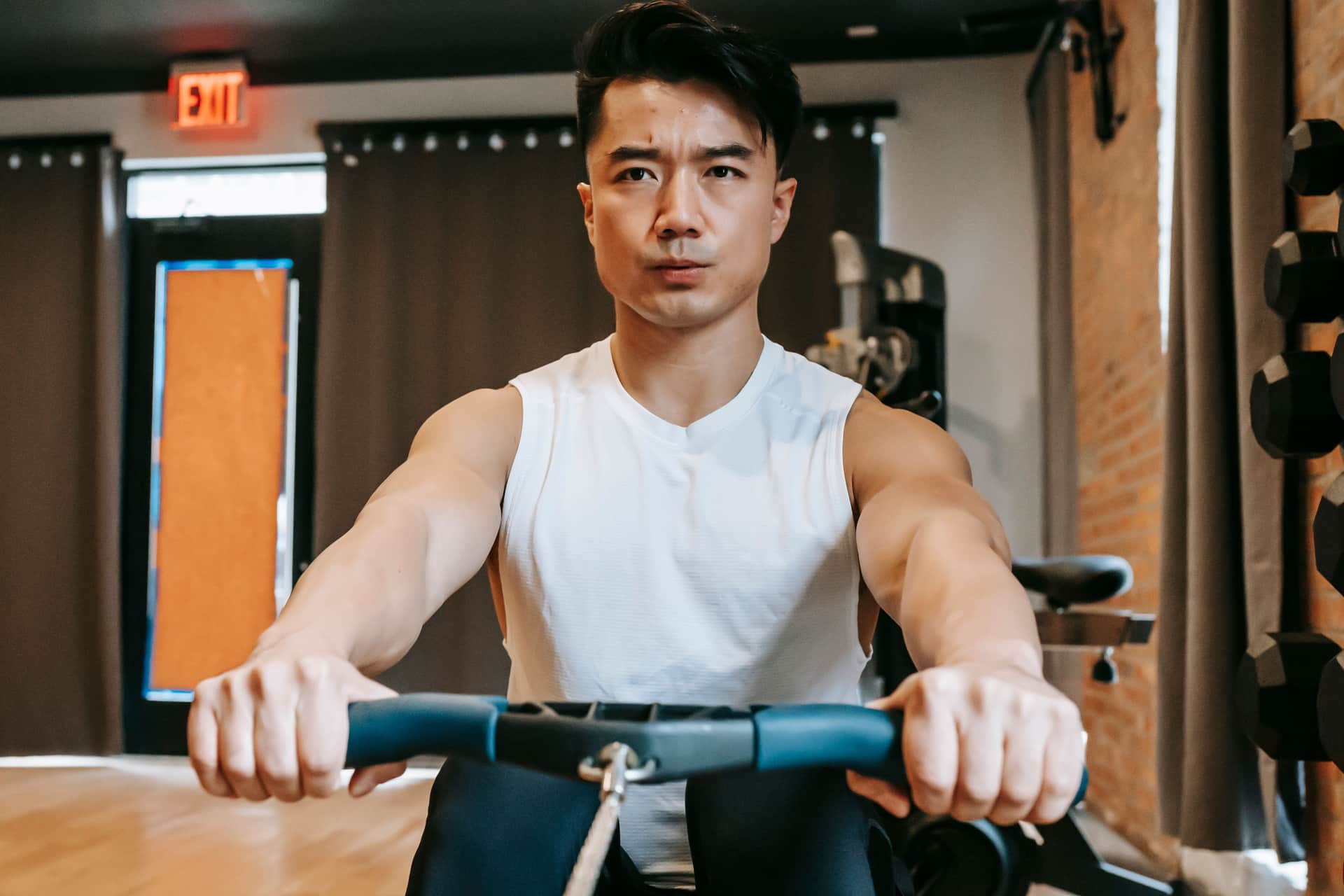
Massage guns are popular after rowing, and the honest answer to whether they help is a qualified one: many people find they make sore muscles feel looser and more comfortable in the short term, but the research behind them is mixed and modest, and they are not proven to speed recovery or prevent injury. If you enjoy how one feels, it is a reasonable tool. Just keep your expectations realistic. This is general information, not medical advice, and anyone with an injury or a health condition should check with a doctor or physiotherapist before using one.
What a massage gun actually is
A massage gun is a handheld device with a head that pounds rapidly in and out, delivering fast, repeated pressure into a muscle. This is usually called percussive or vibration therapy. The idea is similar to a deep massage or foam rolling, except a motor does the work and you simply guide the head over the muscle. The heads range from a soft ball for large muscles to a narrower shape for smaller, more precise spots, and the speed settings change how aggressive the pounding feels. None of that changes the core principle, though, and a more expensive device does not do a fundamentally different thing than a basic one: quick, drumming pressure into soft tissue.
What rowers use it for
Rowing works the whole body, so the areas people target with a massage gun are the ones that tend to feel tight afterward.
- Forearms. Gripping the handle stroke after stroke leaves the forearms tight, and they are a common target. If sore hands and forearms are a recurring problem, the hand-care guide covers the grip habits behind them.
- Calves. Easy to reach and often tight after a longer piece.
- Quads. The front of the thighs take a big share of the drive and respond well to a light going-over.
- Upper back and shoulders. The muscles that finish each stroke, often carried into the rest of the day as general tightness.
What the research does and does not support
Here is where honesty matters. The evidence for percussive massage is genuinely mixed, and where it is positive it is modest. The most consistent finding is that a session can make muscles feel less sore and can improve range of motion for a short time afterward — a real, if temporary, comfort effect that many people value. What the research does not clearly show is that massage guns speed up actual recovery, improve performance, or prevent injury. Claims that they flush out lactic acid or reduce inflammation run ahead of what the evidence supports, and responses vary a lot from person to person, which is part of why the studies disagree. The fair summary is that a massage gun may help a muscle feel better in the moment, and if that helps you enjoy training and come back to it, that has value — but it is not a proven recovery treatment.
Using one safely
A massage gun is powerful, and the sensible cautions are simple. Keep the head on the belly of the muscle and off bone, joints, the spine and the front of the neck. Avoid any area that is bruised, strained or actually injured — percussion on an injury can make things worse, not better. Keep the pressure comfortable and each area brief; a minute or so per muscle is plenty, and you do not need to lean in hard. It should feel firm and pleasant, never sharp or painful. If you take blood thinners, have a circulation problem, or are pregnant, get medical advice before using percussion at all, because the cautions there go beyond general comfort. A massage gun is a comfort device, not a medical one, and it does not diagnose or treat anything.
Massage gun or foam roller?
Both do a similar job — firm pressure into a tight muscle — and neither is clearly better than the other for recovery. A foam roller is cheaper, needs no charging and covers large areas well; a massage gun is easier on hard-to-reach spots like the forearms and lets you stay seated. If you already own a roller, you are not missing much by skipping the gun; if you find percussion more comfortable, it is a fine alternative. The foam-rolling guide covers the roller side, and both fit naturally into the wider recovery routine.
Where it fits after a row
If you want to use one, the most comfortable time is after a session, on warm muscles, as part of winding down. A few minutes over the forearms, quads and calves can leave you feeling looser and mark a calm end to the workout. Do not treat it as a fix for next-day soreness, though. If you are trying to understand that ache in the first place, the guide on why you are sore after rowing explains what is normal, what points to a form fault, and what warrants stopping.
The bottom line
Do massage guns help rowing recovery? They can make tight muscles feel looser and less sore for a while, and many rowers genuinely enjoy that — but the research is mixed and modest, and the bigger claims about performance and injury are not supported. Treat a massage gun as an optional comfort tool, not a necessity: use it gently, keep it off bone, joints and injuries, and lean on the basics of easy movement, sleep and sensible training for the real recovery. If you have an injury or a health condition, talk to a professional before adding percussion.
Straight answers
Questions people actually ask
Do massage guns actually help recovery after rowing?
They can make muscles feel less sore and looser for a short time after a session, which many rowers value. But the evidence is mixed and modest, and massage guns are not proven to speed up actual recovery, boost performance, or prevent injury. Think of one as an optional comfort tool rather than a treatment. This is general information, not medical advice.
Where should I use a massage gun after rowing?
On the muscles that tend to feel tight afterward - the forearms, calves, quads, and the upper back and shoulders. Keep the head on the soft belly of the muscle and off bone, joints, the spine and the front of the neck, and avoid any bruised, strained or injured area entirely.
Is a massage gun better than a foam roller?
Not clearly - they do a similar job and neither is proven better for recovery. A foam roller is cheaper, needs no charging and covers large areas well; a massage gun reaches spots like the forearms more easily and lets you stay seated. If you already have a roller, you are not missing much; if you prefer percussion, it is a fine alternative.
Are massage guns safe to use?
Used sensibly, yes for most healthy people. Keep the pressure comfortable and each area brief, stay on the muscle and off bone, joints and injuries, and stop if anything feels sharp or painful. If you take blood thinners, have a circulation problem, are pregnant, or have any health condition, get medical advice first. A massage gun is a comfort device, not a medical one.
Can a massage gun get rid of muscle soreness?
It may take the edge off how sore a muscle feels for a while, but do not expect it to erase next-day soreness or replace the basics. Ordinary muscle soreness fades on its own with time, and easy movement, sleep and sensible training do more for real recovery than any device. Be wary of bigger claims - the evidence for them is thin.
Show your working
Sources
- Concept2 — Compare indoor rowers (official specifications)Accessed 2026-07-24. https://www.concept2.com/indoor-rowers/compare
Keep going