Upkeep
Rowing Machine Maintenance: Keeping Any Rower Running
A rowing machine needs little, but not nothing. Here is the small routine that keeps one running for years - and how it differs by resistance type.
We earn a commission if you buy through the links on this page, at no cost to you. It has no effect on what we recommend or the order we recommend it in — we say “skip this one” on machines that pay us the same as the ones we like. How we’re funded.
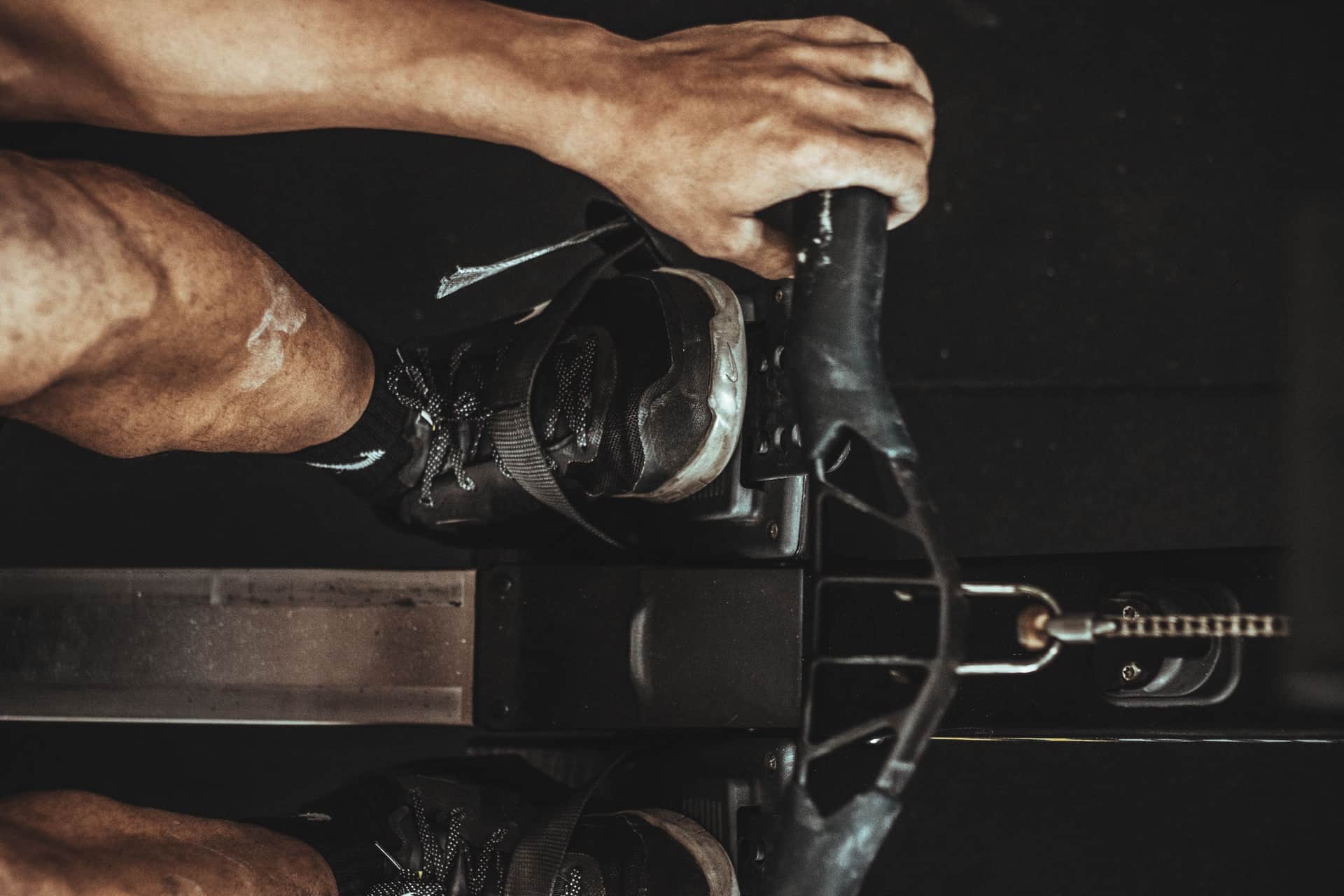
A rowing machine is one of the lower-maintenance pieces of equipment you can own — there is no motor, and on most types nothing that wears quickly. But “low” is not “none,” and the small routine below is the difference between a machine that feels new in year five and one that squeaks, drags and gets abandoned. Most of it takes minutes.
Every machine, regardless of type
Three things apply to all of them:
- Wipe the rail and seat after each session. Sweat and grit on the rail are what make a seat start to drag and what wears the rollers. A dry or lightly damp cloth after each row is the single highest-value habit here.
- Check the bolts monthly. Vibration slowly backs off the footplate, seat and handle fixings. A minute with the supplied tool once a month keeps everything tight and quiet.
- Mind the monitor battery. A dim or blank display is nearly always a flat battery rather than a fault — keep spares. Our monitor troubleshooting guide covers the rest.
Air rowers: the chain
An air rower’s one real maintenance item is the chain. It needs a light oil periodically — Concept2 recommends a small amount of oil wiped along the chain every 50 hours or so of use — and the flywheel screen wants keeping clear of dust, because a clogged screen quietly changes the machine’s drag factor over time. On a belt-drive air or magnetic machine there is no chain to oil, which is one fewer job. The Concept2-specific routine is here in full.
Water rowers: the tank
A water rower’s upkeep is the water. Left alone, a tank will eventually grow algae, so you add a purification tablet periodically and change the water occasionally — a small but real running cost, and the one thing a water rower asks that the others do not. The full water-tank routine is here. The wooden frame itself simply wants keeping out of damp and direct sun.
Magnetic and hydraulic rowers
Magnetic machines are the lowest-maintenance of all: nothing touches the flywheel, so there is no chain to oil and no water to treat — just the universal rail, bolt and battery checks. Hydraulic machines have one thing to watch: the cylinders wear over years and their resistance can fade, and unlike a chain or a battery they are not usually a user-replaceable part, so a hydraulic machine is more of a replace-than-repair proposition when it finally tires.
The part that is really about the machine you bought
Maintenance keeps a machine running; whether you can repair it when a part finally fails is decided at purchase. This is the quiet argument for a machine with a real parts chain — a Concept2 seat roller or chain can be bought and fitted a decade later, where a no-name budget machine often cannot be, which turns a small fault into a whole new machine. It is a large part of what the commercial-grade machines are really selling.
Straight answers
Questions people actually ask
How much maintenance does a rowing machine need?
Not much, but not nothing. Every machine benefits from wiping the rail and seat after each session, checking the bolts monthly and keeping a spare monitor battery. Beyond that it depends on type: air rowers need the chain oiled periodically, water rowers need the tank treated and the water changed, and magnetic machines need almost nothing.
How often should you oil a rowing machine chain?
For a Concept2 air rower, roughly every 50 hours of use - a small amount of oil wiped along the chain, with the excess wiped off. Belt-drive machines have no chain to oil. Keeping the flywheel screen free of dust matters too, because a clogged screen slowly changes the drag factor.
Do you need to change the water in a water rower?
Yes, occasionally, and you add a purification tablet periodically to stop algae growing in the tank. It is a small but real running cost and the one bit of upkeep a water rower needs that other types do not. Our water-tank cleaning guide covers the routine in detail.
What is the most important rowing machine maintenance task?
Wiping the rail and seat clean after each session. Sweat and grit on the rail are the main cause of a dragging seat and worn rollers, and this one habit prevents most of the noise and wear people eventually complain about - across every type of machine.
Show your working
Sources
- Concept2 — Compare indoor rowers (official specifications)Accessed 2026-07-24. https://www.concept2.com/indoor-rowers/compare
- Concept2 - service, parts and maintenanceAccessed 2026-07-24. https://www.concept2.com/service
- Concept2 RowErg - chain and monorail maintenance guidanceAccessed 2026-07-24. https://www.amazon.com/dp/B00NH9WEUA?tag=t5fitness-20
Keep going
Read next
- Rowing machine chain careOiling an air-rower chain the right way.
- How to maintain a Concept2 RowErgThe air-rower routine in full.
- How to clean a water rower tankThe water-tank routine.
- Monitor troubleshootingWhen the display goes dark.
- How to assemble a rowing machineGetting it right on day one, which is where upkeep starts.
- Best commercial-grade rowing machinesWhere repairability is designed in.