Recovery
Stretches for Rowers: A Simple Post-Row Routine
A simple mobility routine for the muscles rowing works hardest, done when you are warm.
We earn a commission if you buy through the links on this page, at no cost to you. It has no effect on what we recommend or the order we recommend it in — we say “skip this one” on machines that pay us the same as the ones we like. How we’re funded.
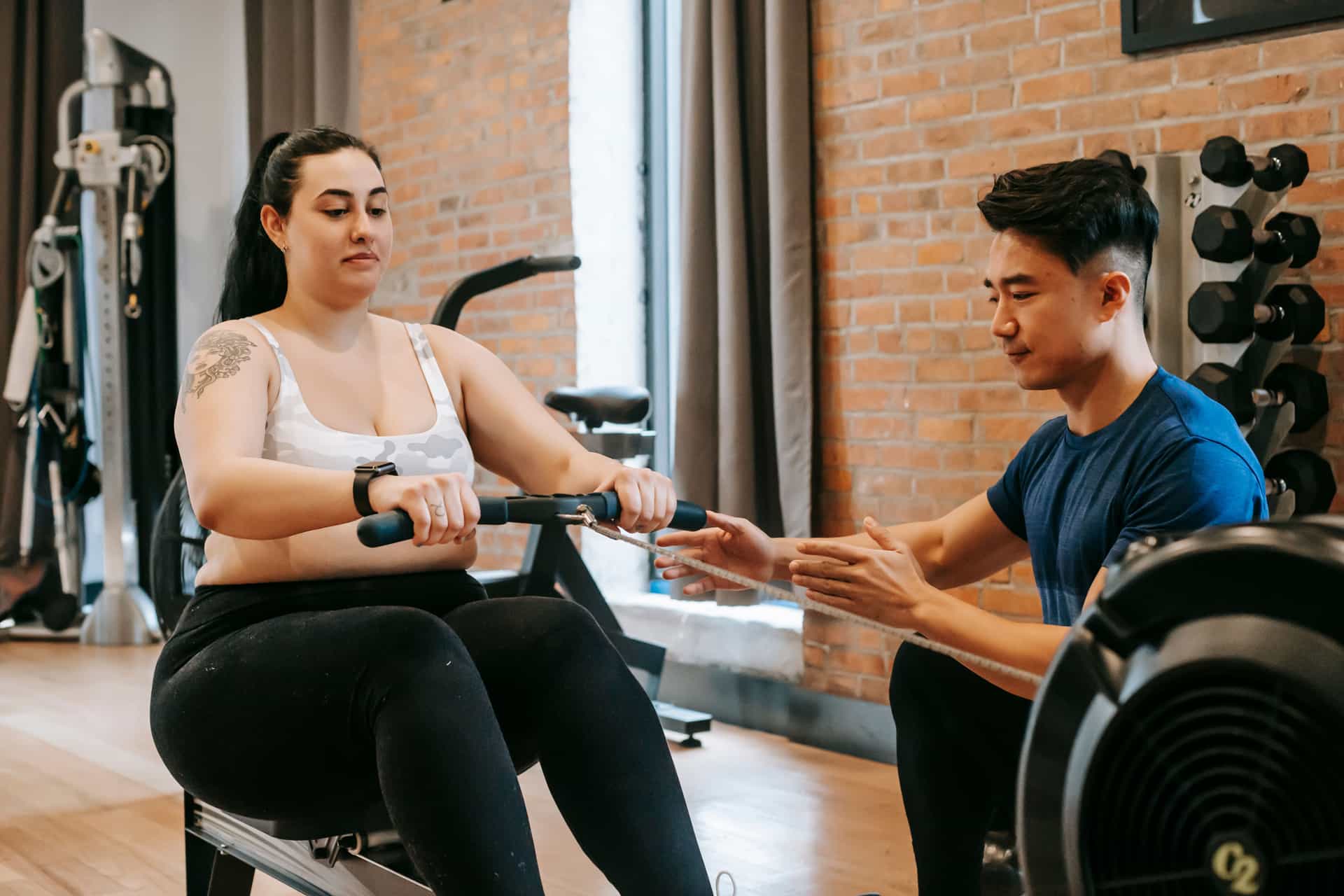
A short stretch routine after rowing targets the specific muscles the stroke loads — the hips, hamstrings, glutes, back, lats and forearms — and can leave you feeling looser and less stiff the next day. The best time to do it is right after a session, when your muscles are warm and pliable. This is general information about mobility habits, not medical advice; anyone with an injury or a health condition should check with a doctor or physiotherapist before starting a stretching routine, and no stretch should ever be forced into sharp pain.
Dynamic before, static after
Timing and type go together. Before you row, you want movement that wakes the body up without loosening it too much — gentle leg swings, arm circles and a few easy strokes, the kind of thing a proper warm-upalready builds in. Save the longer, held stretches for afterward. Static stretching — easing into a position and holding it — is best done when you are already warm, which is why the end of a session is ideal. This routine is different in purpose from a cool-down, which is about bringing your heart rate down; stretching is about the muscles and joints themselves.
Hips and hip flexors
Rowing spends a lot of time with the hips flexed — folded forward at the catch, again and again — so the hip flexors at the front of the hip tend to tighten. A kneeling lunge stretch, with one knee down and the other foot forward, gently opening the front of the trailing hip, is the classic release. Keep your torso tall and ease forward only until you feel a comfortable stretch across the front of the hip and thigh. Breathe steadily, hold for a few slow breaths, and swap sides.
Hamstrings and glutes
The back of the legs drives every stroke, and the hamstrings and glutes carry much of that work. For the hamstrings, a gentle forward fold — standing or seated, with a soft bend in the knees — lets the backs of the thighs lengthen; reach toward your feet only as far as is comfortable rather than forcing your fingers to the floor. For the glutes, a figure-four stretch, crossing one ankle over the opposite knee and easing the folded leg toward you, reaches the muscles deep in the hip. These are among the muscles rowing works hardest, so they usually appreciate the attention.
Lats and thoracic spine
The lats — the broad muscles down the sides of the back — do much of the pulling, and the mid-back, or thoracic spine, works to stay tall through the drive. For the lats, reach one arm overhead and lean gently to the opposite side, feeling the stretch run down your flank. For the mid-back, a slow open-book rotation, lying on your side and letting the top arm sweep open, helps restore the rotation that hours of seated, forward-facing work can dull. Seeing which muscles rowing works makes it clearer why these areas need the attention.
Forearms and wrists
Gripping the handle, stroke after stroke, quietly loads the forearms, and tight forearms are one of the most common complaints from new rowers. Extend one arm, palm down, and gently draw the fingers back with the other hand to stretch the top of the forearm; then turn the palm up and draw the fingers down to stretch the underside. Ease off the instant it feels sharp — the forearms are small muscles and do not need force. A loose grip while you row does even more for them than stretching afterward.
When and how often
The most useful time to run through these stretches is at the end of a session, while your body is still warm and the muscles let go more easily. On days you are not rowing, a gentle version when you are already warm — after a walk, say — works too. There is no need to make it long or elaborate; a few minutes covering the main areas, done consistently, does more than an occasional marathon session. Consistency is what turns stretching from a chore into the habit that quietly keeps you moving well.
How to stretch without overdoing it
A few principles keep stretching helpful rather than counterproductive. Ease into each position slowly and stop at a comfortable stretch, never at pain. Breathe steadily rather than holding your breath. Do not bounce; let the muscle lengthen on its own time. And keep your expectations honest — the evidence on whether stretching reduces next-day soreness is mixed, so treat it as something that helps many people feel looser and more comfortable rather than a guaranteed cure. If stiffness is stubborn, foam rolling for rowers is another gentle option some people pair with stretching.
The bottom line
A simple post-row stretch routine hits the muscles rowing leans on most: the hip flexors and hips, the hamstrings and glutes, the lats and mid-back, and the forearms. Do it when you are warm, ease into each stretch rather than forcing it, and keep your expectations modest — it is a habit that tends to help people feel looser, not a fix for real pain. Dynamic movement suits the start of a session and held stretches the end. And because this is general guidance, not a treatment plan, anyone dealing with an injury or a health condition should get advice from a doctor or physiotherapist before relying on any routine.
Straight answers
Questions people actually ask
When should rowers stretch?
Save longer, held stretches for after a session, when your muscles are warm and pliable - the end of a row is ideal. Before rowing, use gentle dynamic movement in your warm-up rather than long static holds. If you stretch cold, keep it brief and gentle, and never force a stretch into sharp pain. This is general information, not medical advice.
What muscles should rowers stretch?
Focus on the areas rowing loads most: the hip flexors and hips, the hamstrings and glutes, the lats and mid-back, and the forearms. A short routine covering those main areas, done consistently, does more than an occasional long session. Ease into each stretch and stop at a comfortable point.
Is dynamic or static stretching better for rowing?
They suit different moments. Dynamic movement - leg swings, arm circles, easy strokes - is better before you row, waking the body up without over-loosening it. Static stretching, easing into a position and holding it, is better afterward when you are already warm. Doing each at the right time matters more than choosing one over the other.
Does stretching prevent soreness after rowing?
The evidence is mixed, so it is honest to treat stretching as something that helps many people feel looser and more comfortable rather than a guaranteed way to prevent soreness. It is a low-cost habit that many rowers find worthwhile. If soreness is sharp or persistent, that is a reason to rest and, if it lingers, get advice from a professional.
How long should I hold each stretch?
Long enough to feel the muscle ease without straining - a few slow, steady breaths per position is a sensible guide. Do not bounce, and do not hold your breath. Let the muscle lengthen on its own time, and back off the moment a stretch turns sharp rather than pushing deeper.
Show your working
Sources
- Concept2 — Compare indoor rowers (official specifications)Accessed 2026-07-24. https://www.concept2.com/indoor-rowers/compare
Keep going