Technique and safety
Is a Rowing Machine Bad for Your Back?
Rowing gets a reputation for hurting backs, but the machine is rarely the problem. A rounded stroke or a rail too short for your legs is - and both are avoidable.
We earn a commission if you buy through the links on this page, at no cost to you. It has no effect on what we recommend or the order we recommend it in — we say “skip this one” on machines that pay us the same as the ones we like. How we’re funded.
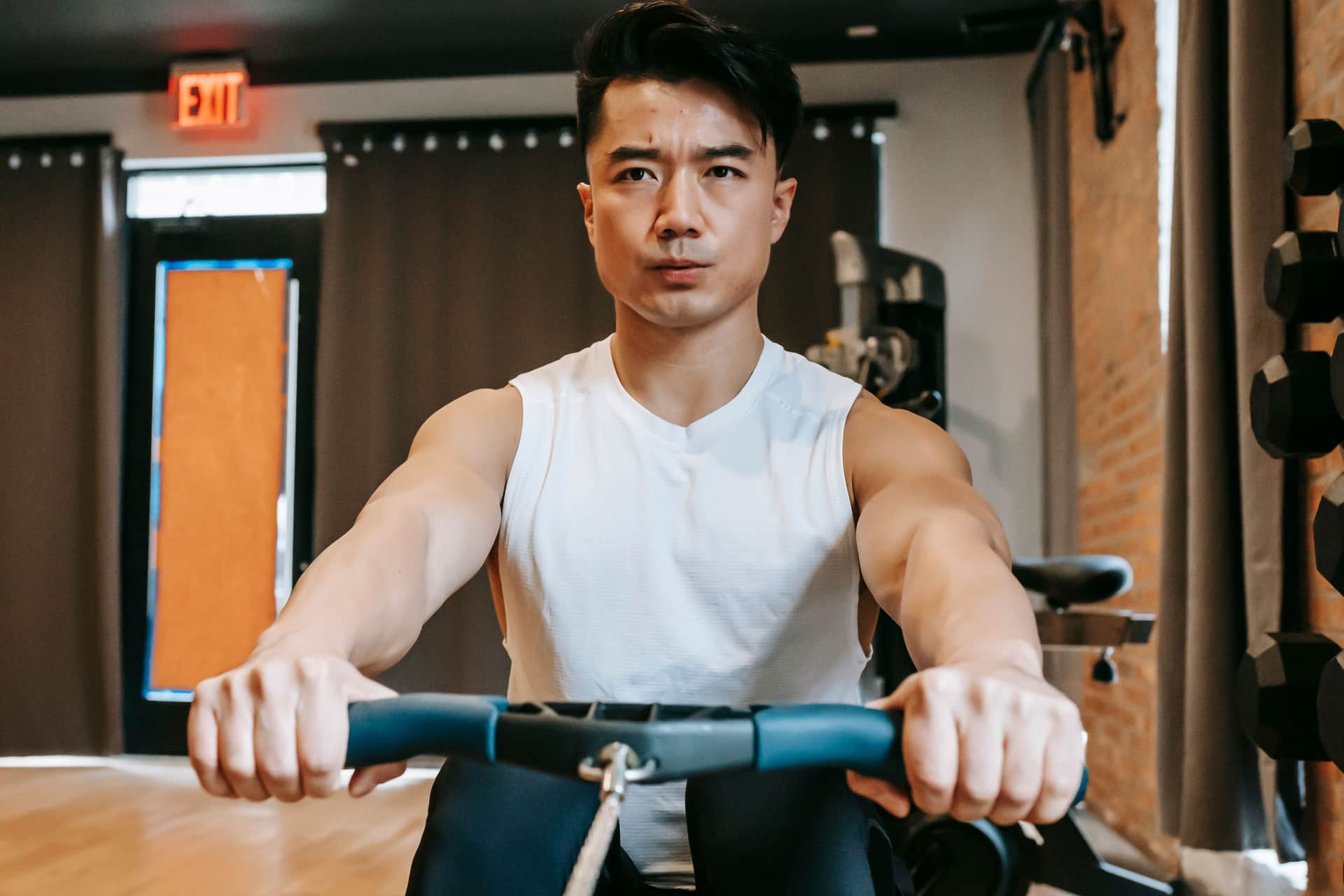
Rowing has a reputation for being hard on the back, and it is worth addressing directly: rowing done well is a low-impact, back-strengthening movement, and rowing done badly can indeed cause trouble. The difference is almost entirely technique and machine fit, not the machine itself. This is general information, not medical advice — if you have an existing back condition or persistent pain, see a doctor or physiotherapist before relying on any of it.
The real culprit: a rounded back under load
The classic cause of rowing back pain is rounding the lower back under load rather than keeping a straight spine and hinging from the hips. When the back rounds, the drive’s force is taken by the spine rather than the legs. The fix is to maintain a straight (not rigid) back, chest up, hinging at the hips through the whole stroke. The correct sequence is here, and it is the single biggest protection your back has.
The hidden culprit: a rail too short
A cause people miss entirely is a rail too short for their legs. If the seat runs out of travel before your legs reach full extension, you are forced to finish the stroke with your back to make up the distance — rounding under load, stroke after stroke. This is why we treat rail length as the first specification to check, especially for taller rowers. Machines that publish the fit are here.
Rowing can strengthen your back
Done correctly, rowing loads the posterior chain — the spinal erectors, lats and mid-back — which supports posture and can help counter the effects of sitting all day. The muscle breakdown is here. Many people find that careful rowing makes their back feel better over time, precisely because it is low-impact and strengthens the muscles that hold the spine.
How to protect your back
- Keep a straight back and hinge from the hips; never round under load.
- Buy a machine with a rail long enough for your inseam, so you are not forced to round.
- Build the stroke at an easy pace before adding intensity; avoid the common mistakes.
- Warm up properly, especially before hard efforts.
If you have an existing back problem, none of this replaces professional advice — ask a doctor or physiotherapist whether rowing is right for you and how to adapt it.
Straight answers
Questions people actually ask
Is a rowing machine bad for your back?
Not inherently - rowing done well is low-impact and can strengthen the back. Rowing done badly can cause trouble, and the culprit is almost always technique (rounding the lower back under load instead of hinging from the hips) or a rail too short for your legs, which forces you to round. Both are avoidable. This is general information, not medical advice.
How do I protect my back on a rowing machine?
Keep a straight back and hinge from the hips rather than rounding under load, buy a machine with a rail long enough for your inseam so you are not forced to round, build the stroke at an easy pace before adding intensity, and warm up before hard efforts. If you have an existing back condition, get professional advice first.
Can rowing help a bad back?
Done correctly, many people find rowing helps, because it is low-impact and strengthens the posterior chain - the spinal erectors, lats and mid-back - that support the spine. But that depends on good technique and a machine that fits, and it is not a substitute for medical advice. If you have a back condition, ask a doctor or physiotherapist before starting.
Show your working
Sources
- Concept2 - Compare indoor rowers (official specifications)Accessed 2026-07-24. https://www.concept2.com/indoor-rowers/compare
- Sunny Health & Fitness Extra Long Rail - 48-inch rail, 44-inch inseamAccessed 2026-07-24. https://www.amazon.com/dp/B09Y9H42CH
Keep going
Read next
- How to use a rowing machineThe straight-back, hip-hinge stroke.
- Best rowing machines for tall usersRail length that prevents rounding.
- Common rowing machine mistakesIncluding hunching, and the fix.
- How to warm up before rowingProtecting the back before hard work.
- Are rowing machines bad for you?The whole-body version of this question, answered honestly.
- Choosing a rowing machine for seniorsSeat height, easy transfer and gentle resistance.
- Best rowing machines for back painRanked on seat, rail and stroke smoothness.
- Does rowing improve posture?The desk-worker's mid-back, strengthened.