Bones, honestly
Rowing Machines and Bone Density
The very thing that makes rowing kind to your joints - no impact, no weight-bearing - also makes it a weaker stimulus for bone density than walking or lifting. Here is the honest trade-off.
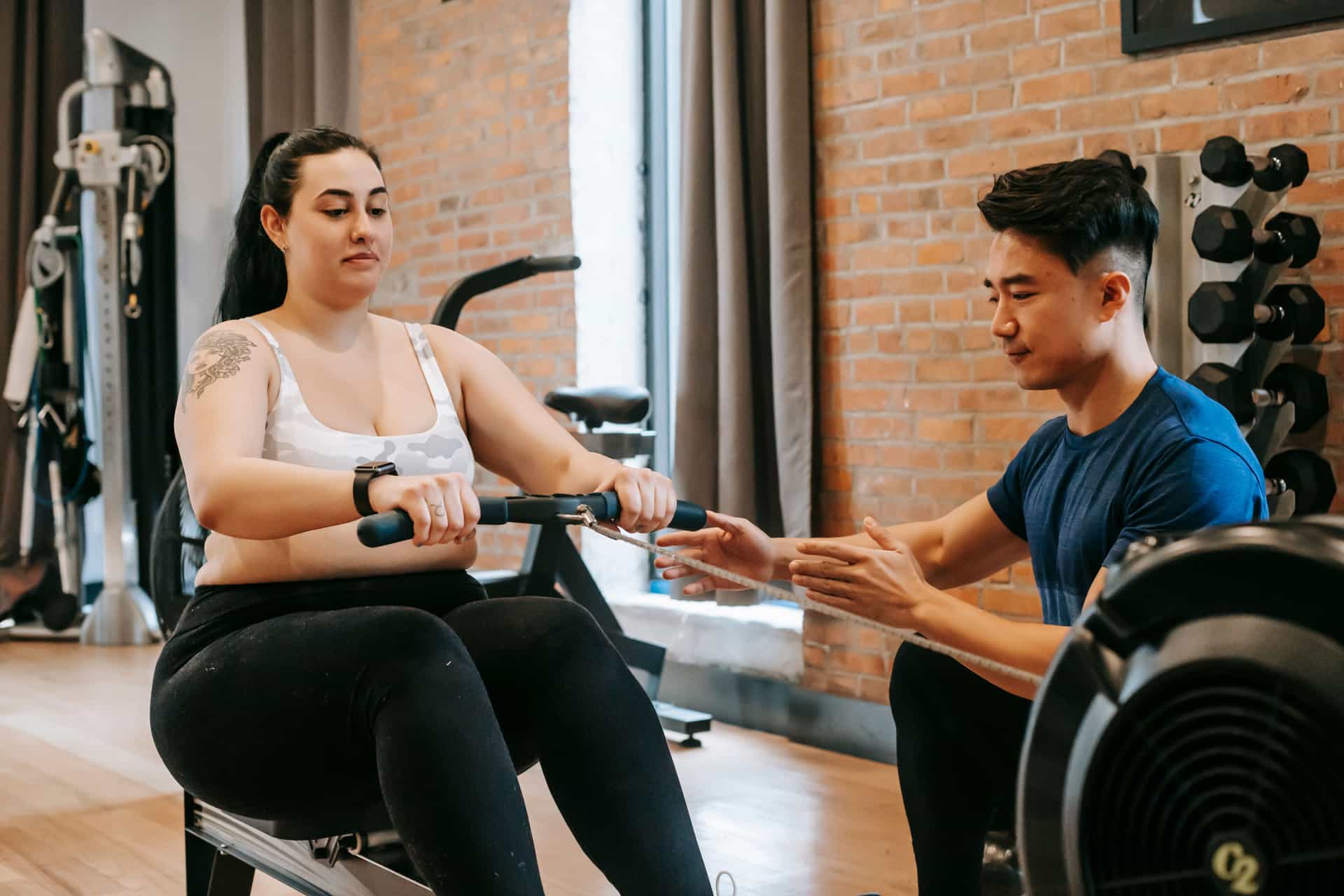
The honest, nuanced answer: rowing is excellent cardio and a genuine full-body workout, but it is not a primary bone-builder. The very features that make it kind to your joints — no impact and no weight-bearing — also make it a weaker signal for bone than walking, jogging, or lifting. That does not make rowing useless for bones; it makes it a partner rather than the whole answer.
What builds bone
Bone is living tissue that adapts to the demands you place on it. Two kinds of demand tell it to strengthen: load and impact. Weight-bearing movement — where your skeleton carries your bodyweight against gravity, as in walking, hiking, or stair climbing — sends that signal, and so does resistance training, where muscles pull hard on the bones they attach to. Impact adds another layer: the brief shock of a footfall is a stimulus in itself. The exercises that build bone best tend to combine weight-bearing posture with real load.
Why rowing is a weaker bone stimulus
Rowing removes both of the strongest signals almost by design. You are seated the entire time, so it is non-weight-bearing — your skeleton is not carrying your body against gravity the way it does when you stand and walk. And there is no impact at all: the stroke is smooth and continuous, with nothing that jolts the bone. Those are exactly the qualities that make rowing so gentle on knees, hips, and ankles, which is why it is a favorite low-impact cardio choice. But a stimulus that is easy on the joints is, by the same token, a quieter message to the bones.
What rowing does still offer
It is not nothing. Every strong stroke has your leg, back, and arm muscles pulling hard on the bones they attach to, and that muscular pull is a real, if modest, load — less than lifting, more than sitting still. Rowing is a full-body movement, roughly 60% legs, 20% core and back, and 20% arms, so a lot of your skeleton feels that pull. Just as importantly, it builds the muscular strength, endurance, and coordination that keep an older body steady on its feet, and it is superb, sustainable, low-impact cardio for the heart and lungs. Our rundown of what a rower does do well covers that side in full, and our guide to the muscles a stroke works shows how much of you is involved.
How to cover the gap
If bone health is a goal, the fix is not to drop rowing — it is to pair it with the movements it does not replace. Weight-bearing walking, ideally at a brisk pace or with some incline, gives your skeleton the against-gravity load rowing skips. A basic resistance routine — bodyweight, bands, or free weights — supplies the harder muscular pull that signals bone to strengthen. You do not need much: a couple of weight-bearing sessions a week alongside your rowing covers the gap that rowing alone leaves. Think of the rower as your cardio engine and the walking and lifting as the bone insurance.
Who this matters most for
For a healthy adult who mixes in some walking and the occasional bit of resistance work, this is a minor footnote — row for the cardio and carry on. It matters more for older adults and for anyone with, or at risk of, osteoporosis or low bone density, where the choice of exercise is part of a larger health picture. If that is you, a low-impact rower can still be a valuable and joint-friendly part of the week — see our guide to choosing a rowing machine for an older body — but the weight-bearing and resistance side should be planned with a professional who knows your situation.
This is general information, not medical advice — if you have osteoporosis, low bone density, or any bone-health concern, talk to a doctor before deciding how to train.
Straight answers
Questions people actually ask
Is rowing weight-bearing exercise?
No. You are seated the whole time and the seat carries your bodyweight, so your skeleton is not loaded against gravity the way it is when you stand and walk. That is what makes rowing so gentle on the joints, but it also means it is not a weight-bearing exercise in the sense that matters for building bone.
Is rowing good for osteoporosis or bone density?
It is a nuanced yes-and-no. Rowing is excellent low-impact cardio and builds muscle strength that helps steadiness, but because it is non-weight-bearing it is a weaker stimulus for bone than walking or lifting. If bone density is the goal, complement rowing with weight-bearing and resistance work - and if you have osteoporosis, plan your program with a doctor.
Does rowing strengthen bones at all?
Somewhat. Each strong stroke has your muscles pulling on the bones they attach to, and that pull is a real if modest stimulus - more than sitting still, less than impact or heavy loaded exercise. It contributes, but it should not be your only strategy for bone health.
What exercise is best for bone density?
In general terms, weight-bearing movement combined with resistance training. Walking, hiking, stair climbing, and similar activities load the skeleton against gravity, while lifting makes muscles pull hard on bone - both signal it to strengthen. This is general information; for a plan suited to your bones, talk to a doctor.
Show your working
Sources
- Concept2 — Compare indoor rowers (official specifications)Accessed 2026-07-24. https://www.concept2.com/indoor-rowers/compare
- Concept2 - Training and technique resourcesAccessed 2026-07-24. https://www.concept2.com/training
Keep going