Technique
Common Rowing Machine Mistakes (and How to Fix Them)
Almost every beginner makes the same handful of mistakes, and every one of them has a simple fix. Correct these and you will row better, safer and stronger from your next session.
We earn a commission if you buy through the links on this page, at no cost to you. It has no effect on what we recommend or the order we recommend it in — we say “skip this one” on machines that pay us the same as the ones we like. How we’re funded.
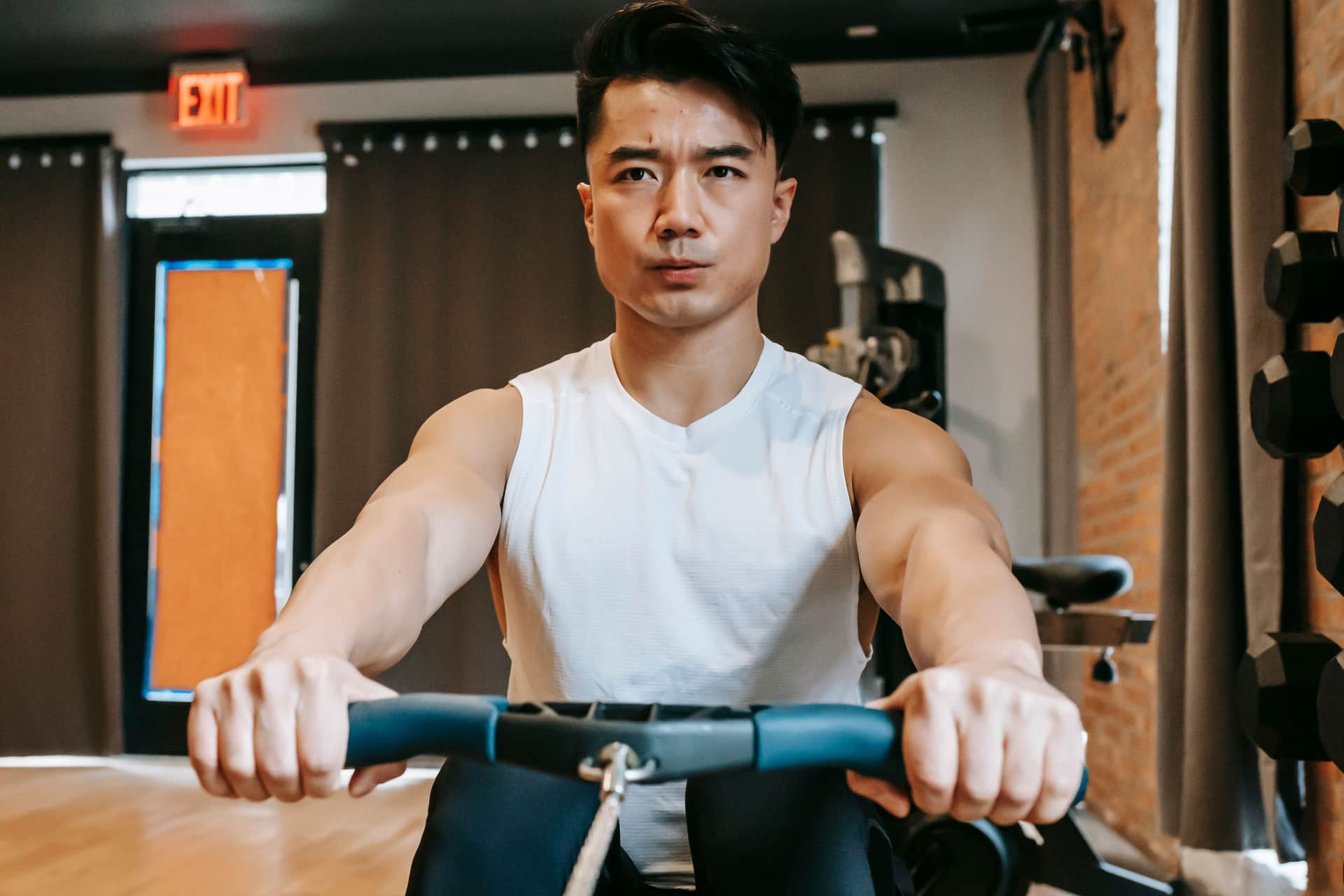
Rowing is forgiving enough that you can do it badly for a long time without realizing, which is exactly why bad habits set in. The mistakes below account for most of them, and the fixes are simple. None requires a coach; each just requires knowing what to look for.
1. Bending the arms too early
The most common error by far. The stroke is legs, then body, then arms — but beginners pull with the arms from the start, which robs the drive of power and hands the work to the smallest muscles in the chain. The fix:keep your arms straight until your legs are almost flat, then pull. Say “legs, body, arms” for the first hundred strokes. The full sequence is here.
2. Cranking the damper to 10
New rowers assume 10 is the hard setting. It is not — the damper controls airflow, not difficulty, and 10 just makes the catch heavy and grinds your stroke rate down. The fix: set it to 3–5 and pull harder if you want more work. The damper explained.
3. Hunching the back
Rounding the back under load is where rowing earns its reputation for back trouble. It is a technique problem, not an inherent one. The fix:keep a straight (not rigid) back and hinge from the hips, chest up. If your rail is too short for your legs you will be forced to round — which is why rail length is the first spec to check. This is general information, not medical advice.
4. Rating too high
A frantic, high stroke rate feels like hard work and usually is not — it means a rushed recovery and a short drive. The fix: slow the recovery, aim for a rate around 20 for steady rows, and let power come from the legs. Stroke rate explained.
5. Starting too hard
Rowing lets you work hard before your technique can support it, which is how beginners get sore backs in week one. The fix: spend the first weeks at a conversational pace, building the stroke, and add intensity only once it is grooved. How long and how often to row covers a sensible start.
Straight answers
Questions people actually ask
What is the most common rowing machine mistake?
Bending the arms too early. The stroke is legs, then body, then arms, but beginners pull with the arms from the start, which robs the drive of power and loads the smallest muscles in the chain. The fix is to keep your arms straight until your legs are almost flat, then pull - saying 'legs, body, arms' until it sticks.
Why does my back hurt when I row?
Usually one of two things: rounding your back under load instead of hinging from the hips with a straight spine, or a rail too short for your inseam that forces you to round. Check that you are hinging from the hips, chest up, and that the machine's rail is long enough for your legs. Persistent pain warrants a doctor's advice.
What damper setting should a beginner use?
3 to 5 on an air rower. The damper controls airflow into the flywheel, not the difficulty of the workout, so cranking it to 10 just makes the catch heavy and grinds your stroke rate down while feeling productive. Set it in the 3-5 range and pull harder if you want more work.
Show your working
Sources
- Concept2 - Compare indoor rowers (official specifications)Accessed 2026-07-24. https://www.concept2.com/indoor-rowers/compare
- Concept2 RowErg - published specificationsAccessed 2026-07-24. https://www.amazon.com/dp/B00NH9WEUA
Keep going