Buying basics
Rowing Machine Rail Length: How to Get the Fit Right
Rail length is the fit spec that matters most for tall and long-legged rowers - what it is, how it relates to your inseam, and what to check before you buy.
We earn a commission if you buy through the links on this page, at no cost to you. It has no effect on what we recommend or the order we recommend it in — we say “skip this one” on machines that pay us the same as the ones we like. How we’re funded.
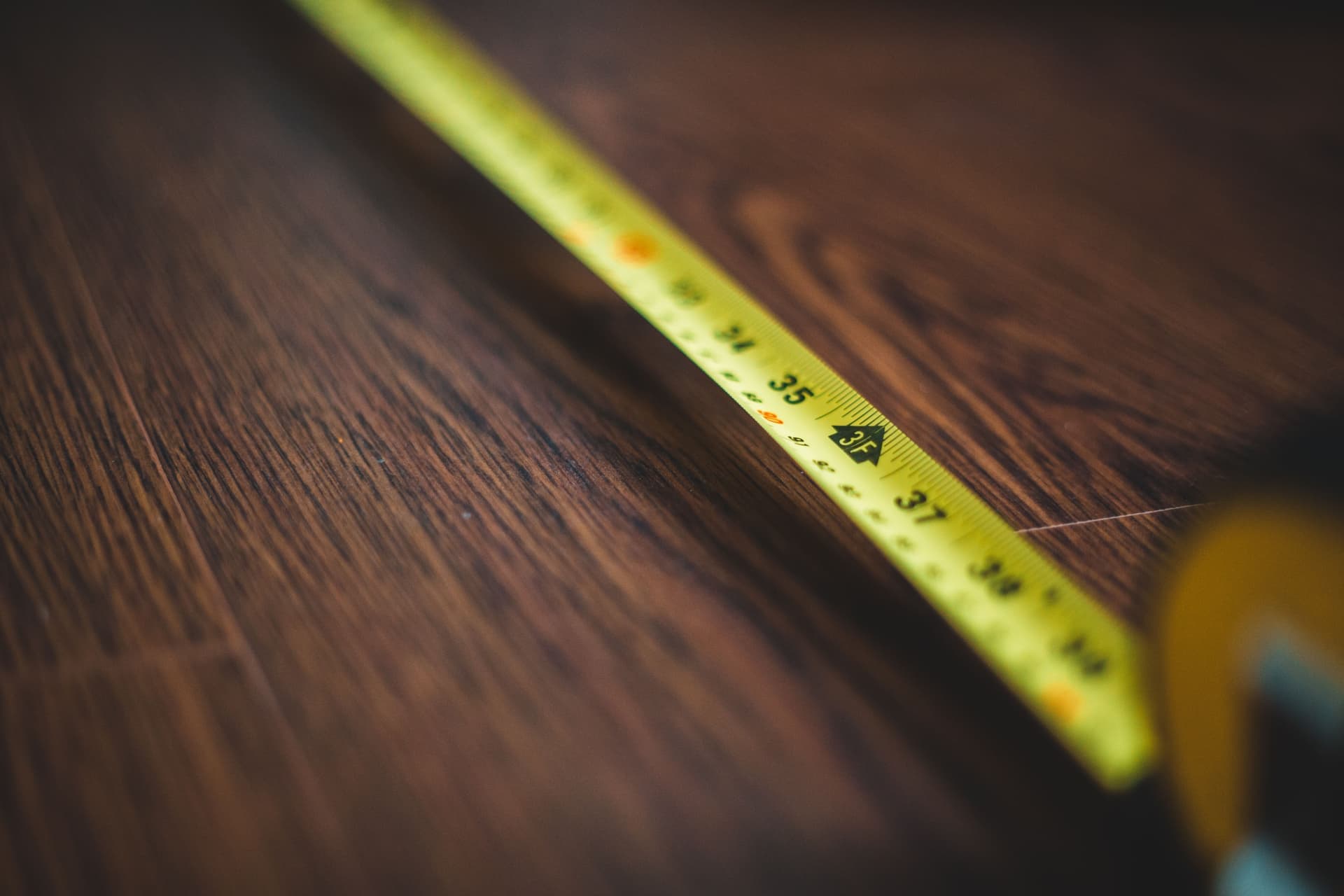
Answer up front: rail length — the distance the seat can travel along the rail, sometimes called the slide length — is the single spec that decides whether a rowing machine fits your body, and it matters most if you are tall or long-legged. A rail that is long enough lets you slide all the way forward to the catch and drive to full leg extension without the seat running out of track. A rail that is too short forces a truncated stroke or a rounded-back finish, and no amount of technique fully fixes it. This is general fitting guidance; check the manufacturer’s published figures and manual for your machine.
Why rail length matters most for taller rowers
Every rower, whatever their height, uses the same stroke: slide forward to the catch, drive with the legs, swing the back, pull with the arms, and recover. What changes with height is how much rail that stroke needs. A shorter person’s legs fold and extend within a modest length of track; a taller person’s legs need considerably more travel to do the same thing. When the rail is too short for those longer legs, one of two bad things happens. Either you stop the drive early, before the legs are fully extended, and lose a chunk of the power and range the stroke is meant to give — or you chase full extension by leaning back and rounding the lower back at the finish, which is exactly the loaded, rounded position you want to avoid. Neither is the rower’s fault; both are the rail’s.
Rail length and overall length are not the same number
This trips people up on spec sheets. A machine’s overall length is how much floor it occupies end to end; its rail or slide length is how far the seat actually travels. They are related but different, and a listing may quote one, the other, or both. The Concept2 RowErg, for instance, is published at 96 inches long in use — that is its overall footprint, the number you need for planning floor space, not its seat travel. A budget machine like the MERACH Q1S is published at 65 inches long overall. Some makers, by contrast, publish the rail figure directly: certain Sunny magnetic rowers advertise a 48-inch rail, and a Sunny dual-rail model publishes a 50-inch rail. When you read a spec, be clear which number you are looking at — the floor-space number and the fit number are not interchangeable.
How rail length relates to your inseam
The body measurement that matters for rail length is your inseam — the inside-leg length — because that, more than your overall height, determines how far the seat must travel for your legs to fold at the catch and straighten at the finish. Two people the same height can need different rails if one carries their height in the legs and the other in the torso. There is no single universal inch-per-inch formula, and reputable makers do not publish one, so the practical approach is this: if you are tall or notably long-legged, treat published rail length (or a stated maximum height) as a priority spec rather than an afterthought, and favor machines that publish a generous figure. If you can try a machine, slide to full extension and check the seat still has track left; if you are buying unseen, lean on the published numbers and the maker’s stated height limit.
Published maximum height is not the same as comfortable height
Many makers publish a maximum user height, and it is a useful guardrail — but read it as a limit, not a promise of comfort. A stated maximum usually means the tallest person who can physically use the machine, which is not the same as the tallest person who can row a full, relaxed stroke on it. The MERACH Q1S, for example, publishes a 350 lb capacity and a maximum user height of 6 ft 7 in; the Sunny extra-long-rail magnetic rower states a fit up to 6 ft 8 in on its 48-inch rail. Those are the makers’ own numbers, and they are helpful. Just budget some margin: if you are close to a machine’s published ceiling, you may technically fit while still feeling cramped at the catch. Where a maker publishes no height limit at all — Concept2 does not publish a maximum user height for the RowErg — you are leaning on the rail and overall length and on real-world fit instead.
What to check on a spec sheet
Before you buy, hunt down these figures rather than assuming them.
- Rail or slide length.The seat’s actual travel. If a listing publishes it, it is telling you how much stroke room you get.
- Stated maximum user height.A quick sanity check — but leave margin below it, as above.
- Overall length. For the room, not for the fit; pair it with the space guide so the machine actually fits where you plan to put it.
- Weight capacity.Not a fit-of-stroke figure, but part of the same “will this suit me” question — the RowErg’s published 500 lb capacity is an example of a spec worth reading alongside the rest.
If a listing publishes none of these — no rail length, no height limit — treat the silence as information. A maker that is confident a machine suits taller users tends to say so.
Putting it together for a taller buyer
If you are tall, make rail fit the first filter, not the last. Start from machines that publish a generous rail length or a high stated height limit, cross-check the overall length against the room, and read the fit numbers with a little margin. Our roundup of rowing machines for tall users gathers the machines that publish the longer rails and higher limits, and the wider how-to-choose guide puts rail length in context with resistance type, budget and everything else. Comfort at the very ends of the stroke also depends on the seat, not just the rail, which the seat comfort guide covers.
The bottom line
Rail length is the fit spec, and for tall or long-legged rowers it is the one to check first. Make sure the seat has enough travel for your legs to reach full extension without stopping the drive short or rounding your back to finish. Read rail length and overall length as the different numbers they are, treat a published maximum height as a ceiling rather than a comfort guarantee, and leave yourself some margin. Get the rail right and the rest of the machine has a chance to feel good; get it wrong and no feature makes up for a stroke your body cannot complete.
Straight answers
Questions people actually ask
What is rail length on a rowing machine?
Rail length, sometimes called slide length, is how far the seat can travel along the rail. It sets how much room your legs have to fold at the catch and straighten at the finish. It is different from a machine's overall length, which is the floor space it occupies end to end.
Why does rail length matter for tall people?
Taller and longer-legged rowers need more seat travel to reach full leg extension. If the rail is too short, you either cut the drive short and lose power and range, or you lean back and round your lower back to finish - the loaded position to avoid. That is why rail length is the fit spec tall buyers should check first.
What is a good rail length for a tall rower?
There is no single universal number, and it depends on your inseam more than your height, so check the published rail length and stated maximum height for each machine. As a guide, longer is generally better for tall rowers - some makers publish the rail directly, such as a Sunny magnetic rower with a 48-inch rail stated to fit up to 6 ft 8 in.
Is maximum user height the same as a comfortable height?
No. A published maximum usually means the tallest person who can physically use the machine, not the tallest who can row a full, relaxed stroke on it. Treat it as a ceiling and leave margin: if you are close to the limit you may fit while still feeling cramped at the catch. Some makers, like Concept2 for the RowErg, publish no maximum height at all.
Rail length vs overall length - what is the difference?
Overall length is how much floor the machine occupies end to end, which you need for planning space. Rail or slide length is how far the seat travels, which decides the fit. A listing may quote one, the other, or both, so be clear which number you are reading - the Concept2 RowErg's 96 inches, for example, is its overall footprint, not its seat travel.
Show your working
Sources
- Concept2 — Compare indoor rowers (official specifications)Accessed 2026-07-24. https://www.concept2.com/indoor-rowers/compare
- MERACH Q1S - published specificationsAccessed 2026-07-24. https://www.amazon.com/dp/B0B2P23DBS?tag=t5fitness-20
- Concept2 RowErg - published specificationsAccessed 2026-07-24. https://www.amazon.com/dp/B00NH9WEUA?tag=t5fitness-20
Keep going
Read next
- Rowing machine space requirementsThe overall-length side: fitting the machine in the room.
- How to choose a rowing machineWhere rail length sits among resistance, budget and the rest.
- Best rowing machines for tall usersThe machines that publish the longer rails and higher limits.
- Rowing machine seat comfortComfort at the ends of the stroke depends on the seat too.