Heart health
Is Rowing Good for Your Heart?
Rowing is genuine aerobic exercise, and aerobic exercise is some of the best-evidenced support for cardiovascular fitness there is. Here is the honest, non-medical version.
We earn a commission if you buy through the links on this page, at no cost to you. It has no effect on what we recommend or the order we recommend it in — we say “skip this one” on machines that pay us the same as the ones we like. How we’re funded.
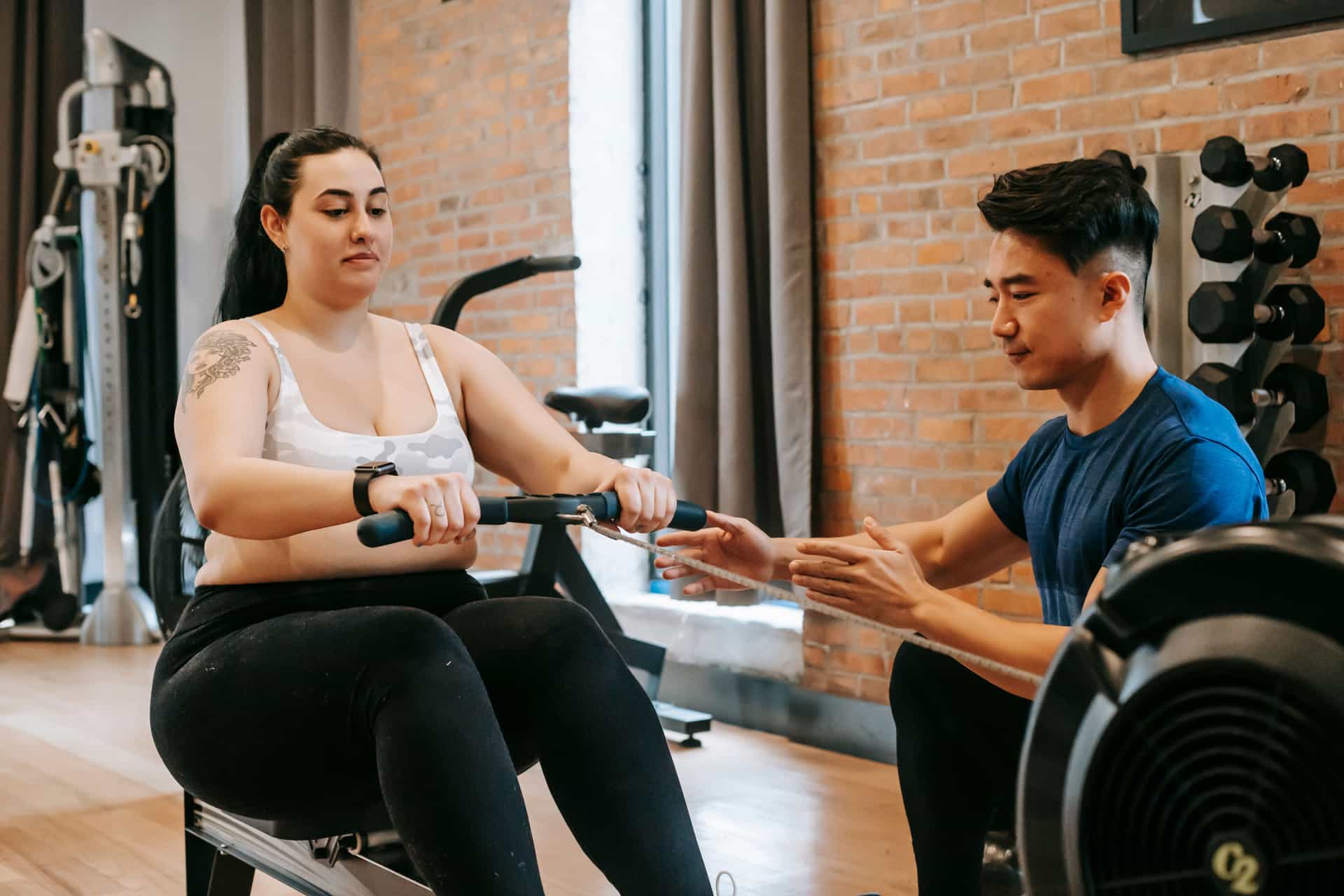
Yes — rowing is genuine aerobic exercise, and aerobic exercise is some of the best-supported activity there is for cardiovascular fitness. That is the honest headline. What a rowing machine cannot do is promise a specific medical result, and any product that claims to lower your blood pressure or fix a heart problem is overselling. What it can do is give you an efficient, low-impact way to do the kind of steady cardio that supports a healthy heart and lungs. Here is the non-medical version of how that works, and where the honest limits are.
What aerobic exercise does for the heart
Aerobic exercise — sustained, rhythmic effort that raises your breathing and heart rate — trains the cardiovascular system the way any repeated demand trains the body. Over time, regular cardio is broadly associated with better aerobic fitness and with a heart and lungs that handle work more comfortably. Rowing belongs firmly in this category alongside running, cycling and swimming; it is not a special or superior form of heart exercise, just a very good general one. The broader cardio benefits of rowing are covered here. None of this is a treatment or a guarantee — it is the general effect of moving regularly, which applies to most cardio, not a claim about your specific health.
Why rowing is efficient cardio
What makes rowing efficient is that it is full-body and continuous. A stroke is roughly sixty percent legs, twenty percent core and back, and twenty percent arms, so a lot of muscle works at once, which raises the aerobic demand without you having to move fast or pound your joints. It is also endlessly scalable: you set the intensity by how hard you pull, so the same machine suits an easy conversational effort and a hard interval. And because it is low-impact and non-weight-bearing — you sit, and the seat carries your weight — a lot of people can sustain it who find running uncomfortable. If you are brand new to it, the stroke is worth learning properly first so the effort goes into rowing rather than fighting the machine.
Training in heart-rate zones
The most common mistake in cardio is doing every session at a medium-hard slog. Most of your work should feel genuinely easy — a pace you could hold a conversation at — with only a small amount of harder effort mixed in. That is where a heart-rate reading earns its place: it turns “how hard am I working” into a number you can actually manage. How to train in heart-rate zones on a rower is here. Easy, frequent, sustainable sessions build the kind of fitness that lasts better than occasional brutal ones do.
The honest limits
Here is the part the marketing skips. A machine cannot promise a medical outcome. Cardiovascular health is the product of many things — genetics, diet, sleep, stress, body composition, existing conditions — and exercise is one important input, not the whole equation. Rowing supports general cardiovascular fitness the way any consistent cardio does; it does not, on its own, treat or cure a heart condition, and no honest page will tell you a number of minutes that guarantees a result. If you have high blood pressure or a diagnosed heart issue, exercise may well be part of your plan, but the plan has to come from a doctor who knows your history, not from a rowing site.
Getting started safely
Ease in. If you have been inactive, start with short, easy sessions and add a few minutes a week rather than going hard on day one — the fitness comes from consistency, not from any single heroic workout. If you are new to cardio and want a machine chosen for exactly this, the rowers for beginners are picked to be forgiving and easy to keep. Pay attention to how you feel: breathlessness that eases as you settle in is normal, while chest pain, dizziness or an alarming, irregular heartbeat is a reason to stop and get checked. General physical-activity guidance points most healthy adults toward a regular weekly amount of moderate cardio, and rowing is a perfectly good way to get it — but the right amount for you is a question for a professional if you are at any risk.
This is general information, not medical advice — if you have a heart condition or have been inactive for a long time, talk to a doctor before starting.
Straight answers
Questions people actually ask
Is rowing good for your heart?
Yes - rowing is genuine aerobic exercise, and regular aerobic exercise is well supported as a way to build cardiovascular fitness. It trains the heart and lungs the way any good cardio does. It cannot promise a specific medical outcome, though, so if you have a heart condition or have been inactive, talk to a doctor before starting.
Is rowing good cardio?
Yes, and an efficient kind. Because the stroke is full-body - roughly 60 percent legs, with core, back and arms - a lot of muscle works at once, raising the aerobic demand without impact. It is also fully scalable: you set the intensity by how hard you pull, so it suits both easy steady work and hard intervals.
Does rowing lower blood pressure?
This is not something a rowing machine can promise. Regular exercise generally supports cardiovascular health, and physical activity is often part of a plan for blood pressure, but that is a general effect, not a treatment a machine delivers on its own. If blood pressure is a concern, talk to a doctor about what is right for you.
How much rowing is good for heart health?
General physical-activity guidance points most healthy adults toward a regular weekly amount of moderate cardio, and rowing is a good way to get it. The specifics depend on your fitness and health, so rather than chase a fixed number, build up gradually and consistently - and check with a doctor about the right amount if you are new to exercise or at any risk.
Show your working
Sources
- Concept2 — Compare indoor rowers (official specifications)Accessed 2026-07-24. https://www.concept2.com/indoor-rowers/compare
- Concept2 - Training and technique resourcesAccessed 2026-07-24. https://www.concept2.com/training
Keep going