Workout
The 10K Row: How to Pace It
Ten thousand meters rewards the rower who starts too slow and holds the line to the end.
We earn a commission if you buy through the links on this page, at no cost to you. It has no effect on what we recommend or the order we recommend it in — we say “skip this one” on machines that pay us the same as the ones we like. How we’re funded.
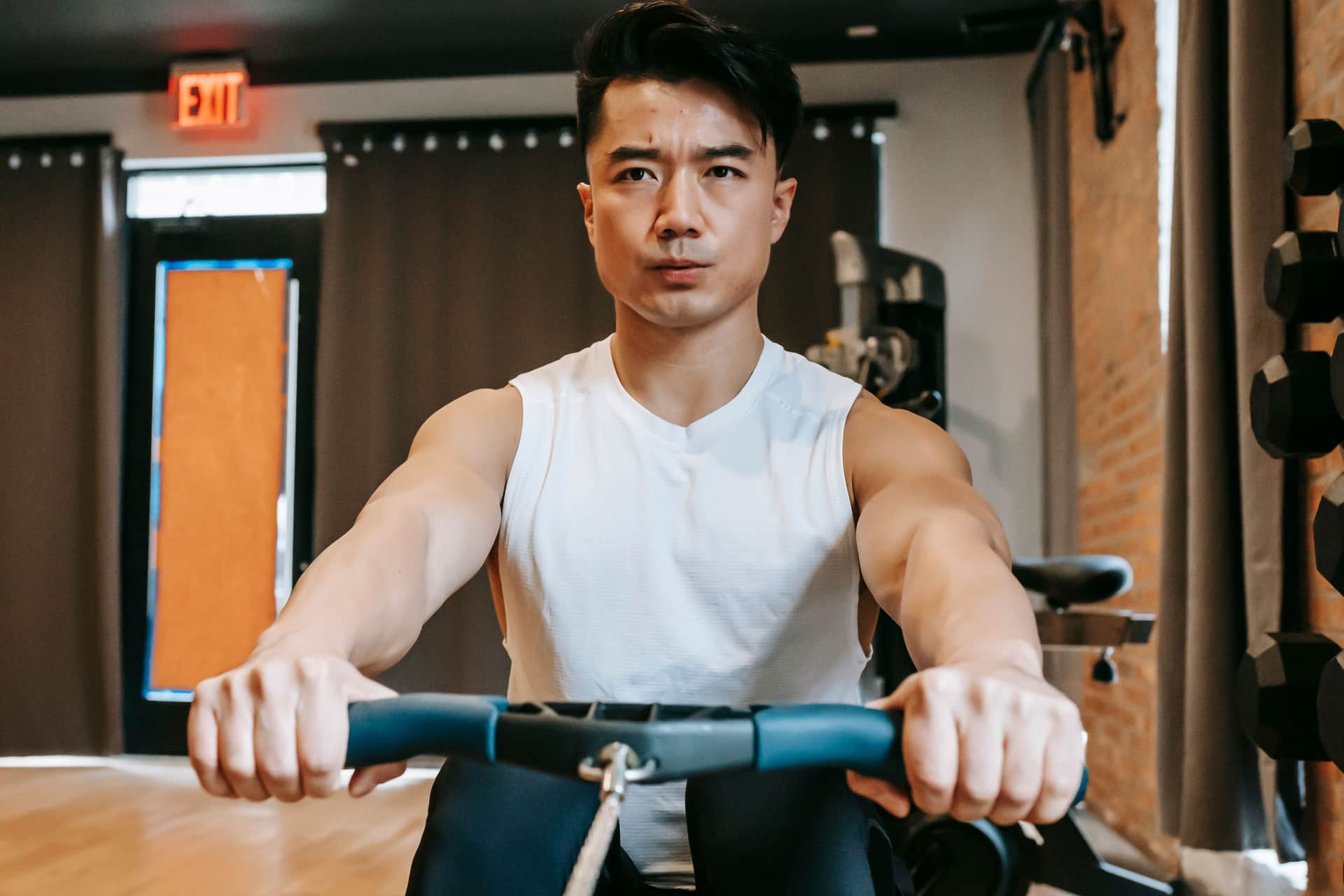
The 10,000-meter row is where indoor rowing turns into a genuine endurance event. It is long — typically forty minutes or more — and it is unforgiving of a fast start in a way even the 5K is not. Rowed well, it is one of the most satisfying pieces you can do: a long, rhythmic, almost meditative effort that builds real aerobic fitness. Rowed badly, it is a slow-motion collapse that begins around halfway. This guide is about pacing discipline, keeping your form together as fatigue arrives, and handling fuel and hydration in sensible general terms. It is general fitness information, not medical or coaching advice; if you have a condition or injury, or are new to efforts this long, check with a professional first.
Why the 10K is a different animal
At twice the distance of a 5K, the 10K changes the math. Small pacing errors that a 5K would let you get away with become large ones, because you have twice as long to pay for them. The effort is squarely aerobic and sustained, and success is defined less by how hard you can push and more by how evenly you can hold a pace you chose wisely at the start. It is an endurance test first and a strength test a distant second, which is why the rowers who do best at it are rarely the ones who go out hardest.
Pacing discipline: start slower than feels right
The single most important rule for a 10K is to start slower than you think you should. In the opening kilometers you will feel strong and the chosen pace will feel too easy — that is exactly how it should feel, and resisting the urge to speed up is the whole skill. Base your target split on a pace you are confident you can hold for the full distance, then hold something slightly gentler than that for the first quarter. As with the 5K, a small negative split — finishing a touch quicker than you started — produces a better result than going out hard and grinding to a halt. If you are unsure what your split number means, the 500m split guide explains it.
Stroke rate and rhythm for the long haul
A 10K is usually rowed at a fairly low, sustainable stroke rate — often somewhere around twenty to twenty-four strokes per minute for most of the piece — with a long, strong drive and an unhurried recovery. The recovery matters enormously over this distance: taking a controlled slide back to the catch, rather than rushing it, gives the legs a fractional rest on every stroke and is a big part of what makes a long piece feel rhythmic rather than frantic. Find a rating you can settle into and let it become almost automatic. The stroke-rate guide and the form guide both help here.
Fuel and hydration, in general terms
A 10K is long enough that how you have eaten and drunk beforehand starts to matter, though the specifics are personal and this is not nutritional advice. In general terms: it helps to be reasonably hydrated going in rather than starting thirsty, and to have a keep a water bottle within reach so you can take small sips if the piece is long for you. Rowing on a completely empty stomach or, at the other extreme, immediately after a large meal, tends to feel worse than rowing a couple of hours after a normal, moderate meal. Everyone is different, so pay attention to what leaves you feeling good and repeat that. If you have any condition affecting blood sugar, hydration or heart rate, get individual advice rather than following a generic routine.
Break it into blocks
Forty-plus minutes is a lot to face all at once, so break it up. Many rowers count down in kilometers, or split the piece into halves and quarters with a small mental checkpoint at each. A common approach is to treat the first 5K as controlled and patient, then allow yourself to build gradually through the second 5K if the pace still feels manageable. Giving the middle section — the part with no novelty and no finish in sight — a simple, repeatable focus keeps it from becoming a mental slog.
Keeping the stroke clean when you are tired
Form fatigue is the real enemy of a long row. As the piece wears on, the stroke tends to get shorter, the back rounds, and the arms start pulling early to compensate for tiring legs. Every one of those makes the stroke less efficient, which makes you slower, which makes you push harder, which tires you faster — a spiral worth avoiding. The remedy is to periodically reset: sit tall, take a full-length stroke, drive with the legs, and let the arms come in last. Checking in on your form every few hundred meters is more valuable over a 10K than over any shorter piece. The common mistakes guide covers the errors that creep in under fatigue.
The finish, and after
If you have paced it well, you will reach the final kilometer with something left to give — that is the reward for a disciplined start, and the place to spend it. Lift the pace and the rating gradually over the last few hundred meters rather than sprinting from too far out. When you are done, do not just step off: row easy for several minutes to let the heart rate come down, and see the cool-down guide. A piece this long deserves a proper wind-down.
Where the 10K fits, and the machine under you
The 10K is a step up from the 5K and a natural home for the patient, aerobic pace of steady-state training. It is not a piece to do every day; slotting one in occasionally, alongside easier and shorter sessions, builds endurance without grinding you down. If you are wondering how long your sessions should generally run, the guide on how long you should row gives some context. Over forty-plus minutes, seat comfort and a smooth, quiet stroke stop being luxuries and start being the difference between finishing relaxed and finishing miserable, which is worth remembering when you look at a machine like the Concept2 RowErg that long pieces are usually benchmarked on.
Straight answers
Questions people actually ask
How long does it take to row 10000m?
It depends on fitness, size and effort, and would be misleading to pin to one number. Many recreational rowers take somewhere around forty to fifty minutes, faster or slower. The useful benchmark is your own previous 10K, not a figure from someone else - row it, note the time, and work on beating it.
Should I eat before a 10K row?
In general terms, most people feel best rowing a couple of hours after a normal, moderate meal rather than completely empty or straight after a large one. The specifics are personal, so pay attention to what leaves you feeling good and repeat it. This is general information, not nutrition advice - if you have any condition affecting blood sugar or hydration, get individual guidance.
What stroke rate should I use for a 10K?
Most rowers hold a low, sustainable rate for a 10K - often around twenty to twenty-four strokes per minute - with a long drive and an unhurried recovery. That is a guideline, not a rule. A controlled recovery that gives the legs a brief rest each stroke is a big part of what makes a long piece feel rhythmic rather than frantic.
How do I avoid hitting the wall in a 10K?
The wall in a 10K almost always traces back to starting too fast, so the main defense is a patient opening quarter at a pace that feels too easy. Beyond that, keep the stroke long and reset your form when it starts to shorten, break the distance into blocks, and stay on top of hydration. A disciplined start is worth more than any late heroics.
Is rowing a 10K every day too much?
For most people, a daily hard 10K would be a lot, and it is easy to get stale or sore doing the same long piece repeatedly. Slotting one in occasionally, alongside shorter and easier sessions, builds endurance more sustainably. If you are unsure what your body can handle, especially with any health condition, ask a professional.
Show your working
Sources
- Concept2 - Compare indoor rowers (official specifications)Accessed 2026-07-24. https://www.concept2.com/indoor-rowers/compare
- Row & Recover - how we pickAccessed 2026-07-24. https://rowandrecover.com/methodology
- Concept2 RowErg - Amazon listingAccessed 2026-07-24. https://www.amazon.com/dp/B00NH9WEUA?tag=t5fitness-20
Keep going