Maintenance
Rowing Machine Seat Rollers: Care and Replacement
The wheels that carry the seat are a common wear part. Spotting worn rollers, cleaning the rail, when to replace, and why spare parts matter.
We earn a commission if you buy through the links on this page, at no cost to you. It has no effect on what we recommend or the order we recommend it in — we say “skip this one” on machines that pay us the same as the ones we like. How we’re funded.
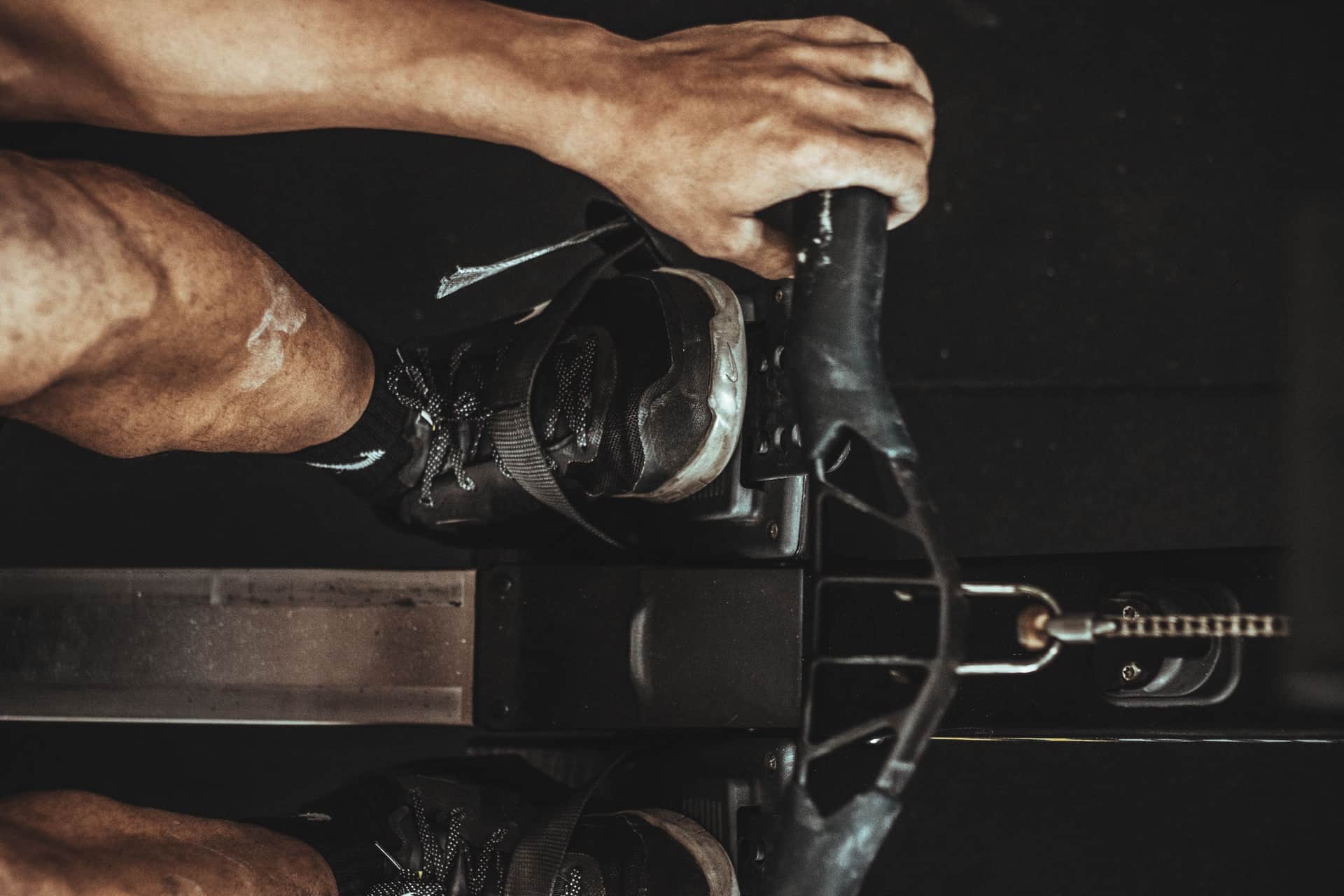
Seat rollers — the small wheels that carry the seat along the rail — are one of the few genuine wear parts on a rowing machine, and they are also one of the easiest to look after and, when the time comes, to replace. A rough or noisy glide, a seat that rocks, or a scraping sound that follows you up and down the rail usually points here. The good news is that cleaning fixes most complaints, replacement fixes the rest, and on a well-supported machine the parts are cheap and available for years. This is general guidance rather than a substitute for your owner’s manual; follow the manufacturer’s instructions, and unplug or otherwise secure the machine before you work on it.
What the seat rollers do
Every stroke slides the seat the full length of the rail and back, carrying your body weight the whole way. The rollers are what let that happen smoothly — a set of wheels, usually two to four, that ride on the monorail and turn as the seat moves. Because they bear your weight over thousands of strokes and run through the dust and sweat that settle on the rail, they take more wear than almost any other moving part. That is not a flaw; it is by design, the same way tires wear on a car. A machine that glides silently for years is a machine whose rollers are clean and in good order, and keeping them that way is a core part of the routine maintenance a rower asks for.
Symptoms of worn or dirty rollers
Rollers tend to announce themselves gradually.
- A rough or gritty glide. The seat that once slid like glass starts to feel notchy or draggy along the rail.
- Noise. A squeak, a rumble or a scraping sound that tracks the seat rather than the flywheel is a classic roller-or-rail symptom.
- A rocking or loose seat. If the seat wobbles side to side or feels like it is lifting off the rail, a roller may be worn, cracked or loose.
- Visible wear. Flat spots, cracks or grooves on the wheels themselves, or a dark line of ground-in grime on the rail, tell you what your hands already suspect.
Because a noisy seat and a noisy chain can sound alike from the rowing position, it is worth confirming the source before you act — the squeak-tracking guide shows how to tell them apart.
Clean the monorail first
Before condemning a roller, clean the rail. A great many roller complaints are really rail complaints: dust, chalk, sweat and grit build up on the monorail, and even perfect rollers will rasp and drag over that. Wipe the full length of the rail with a dry or barely damp cloth after your sessions, and give it a more thorough clean when it looks dirty. This one habit prevents most premature roller wear, because grit on the rail is what grinds the wheels down in the first place. In many cases a wipe of the rail restores a silent, glassy glide and no parts are needed at all.
When replacement is the answer
If the rail is clean and the seat still rumbles, drags or rocks, the rollers themselves have worn out and it is time to replace them. This is normal, expected maintenance rather than a breakdown, and on most machines it is a straightforward job — the seat lifts off or unbolts, the old rollers come off, the new ones go on, following the sequence in your manual. Replacing a worn set restores the original glide completely and costs a fraction of a new machine. If you are unsure whether the rollers or something else is at fault, work through the noise and looseness checks first so you are replacing the right part.
Parts availability is a buying consideration
Because rollers are a wear part, the ease of getting genuine replacements is a real factor in how long a machine stays usable — and it is worth weighing before you buy, not after. This is an area where the longest-lasting machines pull ahead: Concept2 is the standout example, keeping seat rollers and other spares available and affordable for machines going back decades, so a worn seat is a quick fix rather than the end of the rower. Cheaper machines with no parts chain can become disposable the moment a roller fails, because there is nothing to replace it with. If long service life matters to you, buy into a brand that still sells the small parts.
Rollers, comfort and the whole seat
Smooth rollers are also part of what makes a machine comfortable to sit on for a long piece, though they are only half the story — the seat pad and its shape matter just as much. If the glide is fine but the seat itself is the problem, that is a different fix; our guide to seat comfort covers pads, cushions and fit. Rollers keep the seat moving quietly; the pad keeps you on it happily, and a good long-term setup wants both.
The bottom line
Seat rollers are a wear part, and treating them as one keeps a rower gliding silently for years. Clean the monorail regularly and you will prevent most trouble; when the glide finally roughens or the seat starts to rock despite a clean rail, replace the rollers and the machine is as good as new. Above all, buy a machine whose maker still sells the part — because a wheel that wears out is only a problem if you cannot get another one.
Straight answers
Questions people actually ask
How do I know if my rowing machine seat rollers are worn?
The glide is the tell. Rollers that are worn or dirty turn a smooth, glassy slide into a rough, notchy or draggy one, often with a squeak, rumble or scrape that follows the seat up and down the rail. A seat that rocks side to side or feels like it is lifting off the rail is another sign. Look for flat spots, cracks or grooves on the wheels, and a dark line of ground-in grime on the monorail.
Can I clean seat rollers instead of replacing them?
Often, yes - and you should try cleaning first. Many roller complaints are really the rail: dust, sweat and grit on the monorail make even good rollers rasp and drag. Wipe the full length of the rail with a dry or barely damp cloth and the glide usually returns. If the rail is clean and the seat still rumbles or rocks, the rollers themselves are worn and cleaning will only quiet them briefly - then replacement is the real fix.
Are rowing machine seat rollers replaceable?
On most machines, yes, and it is a straightforward job: the seat lifts off or unbolts, the old rollers come off, and new ones go on following the sequence in your manual. Whether you can get genuine parts is the bigger question. Well-supported brands like Concept2 keep seat rollers available and affordable for machines decades old, while cheap machines with no parts chain can be effectively unrepairable once a roller fails.
Why does my rowing machine seat rock or wobble?
A seat that wobbles side to side or feels like it lifts off the rail usually means a roller is worn, cracked or loose, or a mounting bolt has come loose. First check and snug up any loose hardware on the seat carriage, then inspect the rollers for damage. If the rollers are worn, replacing the set restores a stable, quiet ride. Confirm the rail is clean too, since grit can exaggerate the problem.
How long do rowing machine seat rollers last?
There is no fixed lifespan - it depends on how much you row, how heavy the use is, and how clean you keep the rail, so treat rollers as a periodic wear item rather than something with a set expiry. Keeping the monorail wiped down is the single biggest thing you can do to make them last, because grit on the rail is what grinds the wheels. When the glide roughens despite a clean rail, it is simply time for a new set.
Show your working
Sources
- Concept2 — Compare indoor rowers (official specifications)Accessed 2026-07-24. https://www.concept2.com/indoor-rowers/compare
- Concept2 RowErg - published specificationsAccessed 2026-07-24. https://www.amazon.com/dp/B00NH9WEUA?tag=t5fitness-20
Keep going