Buying
How Long Do Rowing Machines Last?
A well-built air or water rower can outlast its first owner by decades, while a cheap hydraulic unit may fade in a few years - here is what actually wears out.
We earn a commission if you buy through the links on this page, at no cost to you. It has no effect on what we recommend or the order we recommend it in — we say “skip this one” on machines that pay us the same as the ones we like. How we’re funded.
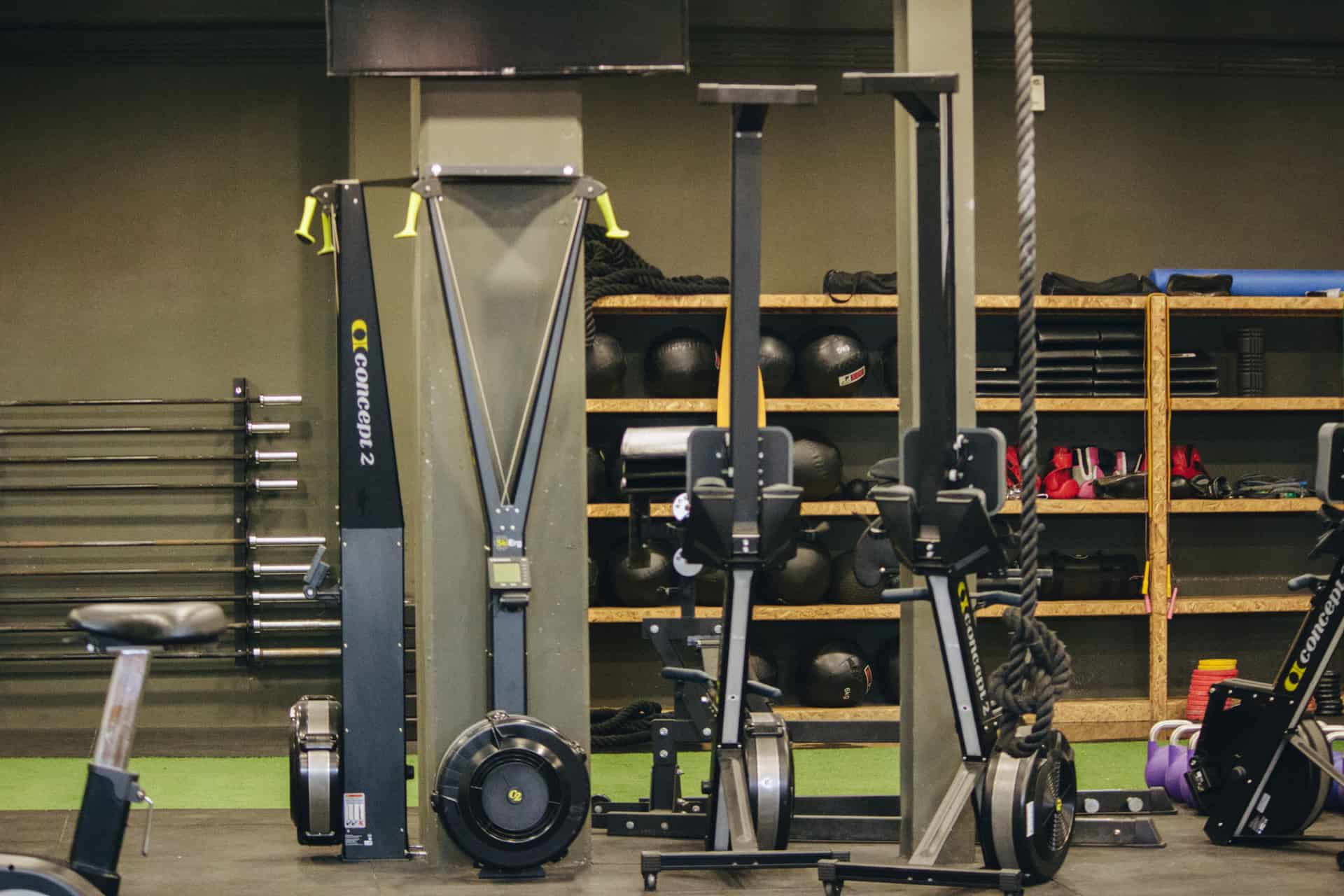
A rowing machine is one of the longest-lived pieces of home fitness equipment you can buy — but only some of them are. The honest answer to how long a rower lasts is that it depends far more on how the machine is built and how it creates resistance than on how many meters you pull. A well-made air or water rower can serve one owner for decades and then a second owner after that. A cheap hydraulic unit bought purely to save money can start to fade within a few years. This guide walks through what really determines a rower’s lifespan, what wears out first, and how basic upkeep stretches any machine’s working life.
If you are weighing one machine against another, lifespan is not a side issue — it is most of the value question. A rower that lasts twenty years costs a fraction per year of one that lasts three, even if the sticker on the twenty-year machine is higher. That arithmetic is laid out in full in our five-year cost of a rowing machine breakdown, and it is the single strongest argument for buying quality once rather than cheap twice.
Lifespan is decided by build quality, not brand alone
Two things govern how long a rower survives: the quality of its frame and moving parts, and the type of resistance it uses. A heavy steel-and-aluminum frame with a well-supported parts chain is repairable almost indefinitely, because when a wear item gives out you can simply replace it. A machine built down to a price — a lightweight frame, a bonded flywheel, a proprietary monitor with no spares — is effectively disposable, because the first failure that cannot be fixed is the end of the machine. The difference is not the logo on the side; it is whether the maker treats the rower as something to be serviced or something to be thrown away.
Air and water rowers: built to last decades
The reference point for longevity is the Concept2 RowErg, a premium air rower whose maker has supported the design for decades — the current parts chain still serves machines built in the 1990s. Because every wear item on it is a replaceable part rather than a sealed assembly, a tired one can be brought back to as-new mechanically for the price of a chain, a set of shock cords and a seat roller. That combination of a robust frame and an unbroken parts supply is exactly why a used one is such a reliable buy, a point we make in how to buy a used rowing machine. The wider range is gathered in the best Concept2 rowing machines.
Wooden water rowers such as the WaterRower Natural Ash tell a similar story from a different material. Solid hardwood does not fatigue the way thin steel tube can, the sealed water tank has very little to wear out, and the maker sells the seat, straps and tank components as spares. Kept out of damp and topped up with the purification tablets that keep the tank clear, a well-made water rower is a genuine multi-decade machine. The trade-offs between the resistance types are covered in water vs air vs magnetic.
Magnetic rowers: long-lived if the electronics hold
Magnetic resistance is inherently durable because nothing physically touches the flywheel — a magnet slows it without friction, so there is no wear surface to grind away. A well-built magnetic rower in the mid-range can last many years mechanically. The catch is that the machine’s lifespan often comes down to its electronics and its console rather than its resistance unit. On a connected machine, a discontinued app or an orphaned tablet can retire an otherwise sound frame long before anything mechanical fails, which is one reason we treat subscription dependence as a durability risk, not just a cost.
Hydraulic rowers: the short-lived exception
Hydraulic rowers — the compact, inexpensive machines that use a piston cylinder for resistance, such as the Stamina Body Trac and the Sunny SF-RW1205 — are the clear exception to the “rowers last forever” rule. The piston is a consumable: the seals wear, the oil inside heats and thins over a long session, and after a few years of regular use the cylinder loses its firmness and eventually leaks. On the cheapest models the cylinders are not sold as spare parts, so when they fail the machine is done. These are budget, under-$200 machines, and for occasional light use they can be fine value; just buy one understanding that you are buying a few years, not a few decades. We say the same in are cheap rowing machines any good.
What actually wears out
On almost any rower, the same short list of parts ages first. Knowing them tells you what to inspect on a used machine and what to keep an eye on over the years:
- The chain or drive strap. On a chain-driven air rower the chain stretches and dries out; it needs occasional lubrication and, eventually, replacement. Strap-driven machines avoid the lubrication chore but the strap itself frays over a long life.
- Seat rollers. The wheels that carry the seat along the rail develop flat spots and get noisy with heavy use. On a well-supported machine they are a cheap, quick swap; on a disposable one they are the fault that ends it.
- Shock cords and bungee. The elastic that returns the handle loses tension over years and is a standard replacement part on quality machines.
- Hydraulic cylinders. As above, the defining wear item on hydraulic rowers, and the reason those machines are the short-lived category.
- Monitor batteries and the console. Most performance monitors run on replaceable batteries; a display that has gone dim usually just needs new cells, not a new machine. Sealed or app-dependent consoles are the harder case, because a failed screen can be irreplaceable.
Maintenance is what turns years into decades
The gap between a rower that lasts five years and the same class of rower that lasts twenty is very often just upkeep. Wiping the monorail after sweaty sessions, keeping the chain lightly oiled, checking bolts occasionally, storing the machine out of damp and swapping wear parts before they damage anything else will keep a good rower running almost indefinitely. None of it is difficult, and the full routine is in rowing machine maintenance, with a Concept2-specific version in how to maintain a Concept2.
What a long lifespan means for cost
Longevity is the hidden variable in every rowing-machine price comparison. A durable, serviceable machine spreads its cost over so many years that its true cost per year of use is low, and it retains resale value at the end, which a disposable machine does not. That is the whole case for the buy-once approach, and the numbers behind it — including how a premium rower can be cheaper over its life than a budget one you replace twice — are in the five-year cost breakdown and used vs new. Buy for the resistance type and parts support that match how long you actually intend to keep the machine, and lifespan stops being a gamble and becomes something you chose.
Straight answers
Questions people actually ask
How many years does a rowing machine last?
It depends entirely on build quality and resistance type. A well-made air or water rower with a supported parts chain can last twenty years or more and then serve a second owner, because its wear items are replaceable. A cheap hydraulic machine typically lasts a few years before the piston softens or leaks. Magnetic machines fall in between and often outlast their own electronics.
Which type of rowing machine lasts longest?
Quality air rowers and solid-wood water rowers are the longevity champions. Air machines like the Concept2 RowErg are supported for decades and are fully repairable, and a well-kept wooden water rower resists fatigue the way steel tube cannot. Hydraulic rowers last the least because the resistance cylinder is a consumable that wears out.
What wears out first on a rowing machine?
The moving contact parts age first: the chain or drive strap, the seat rollers and the return shock cords, plus the hydraulic cylinder on piston machines. Monitor batteries fade too, but that is usually a cheap fix. On a well-supported machine all of these are inexpensive replacement parts, which is why quality rowers can run almost indefinitely.
Does regular maintenance really extend a rower's life?
Yes, dramatically. Wiping the rail, keeping the chain lightly oiled, checking bolts, storing the machine dry and replacing wear parts before they damage anything else is often the whole difference between a rower that lasts five years and the same machine lasting twenty. None of it is difficult or expensive.
Is a used rowing machine worth buying given how long they last?
For the durable types, very much so. A quality air rower that did a few thousand meters and then sat unused is mechanically almost new, and because parts are available a tired one can be refreshed cheaply. The exceptions are worn hydraulic machines and connected rowers whose software or subscription may not transfer.
Show your working
Sources
- Concept2 - Compare indoor rowers (official specifications)Accessed 2026-07-24. https://www.concept2.com/indoor-rowers/compare
- Concept2 RowErg - Amazon listingAccessed 2026-07-24. https://www.amazon.com/dp/B00NH9WEUA?tag=t5fitness-20
- WaterRower Natural Ash - Amazon listingAccessed 2026-07-24. https://www.amazon.com/dp/B0053BMWWU?tag=t5fitness-20
- Row & Recover - how we pickAccessed 2026-07-24. https://rowandrecover.com/methodology
Keep going
Read next
- Rowing machine maintenanceThe upkeep that turns years into decades.
- Five-year cost of a rowing machineWhy a long lifespan makes quality cheaper.
- Water vs air vs magneticHow resistance type drives durability.
- Rowing machine warranties, comparedWhat each maker will actually stand behind, and for how long.
- Buying a used rowing machineThe durable types are the smart used buys.