Workout
A 30-Minute Rowing Machine Workout
Half an hour, three clear phases, and no guesswork - warm up, do the work, and wind down.
We earn a commission if you buy through the links on this page, at no cost to you. It has no effect on what we recommend or the order we recommend it in — we say “skip this one” on machines that pay us the same as the ones we like. How we’re funded.
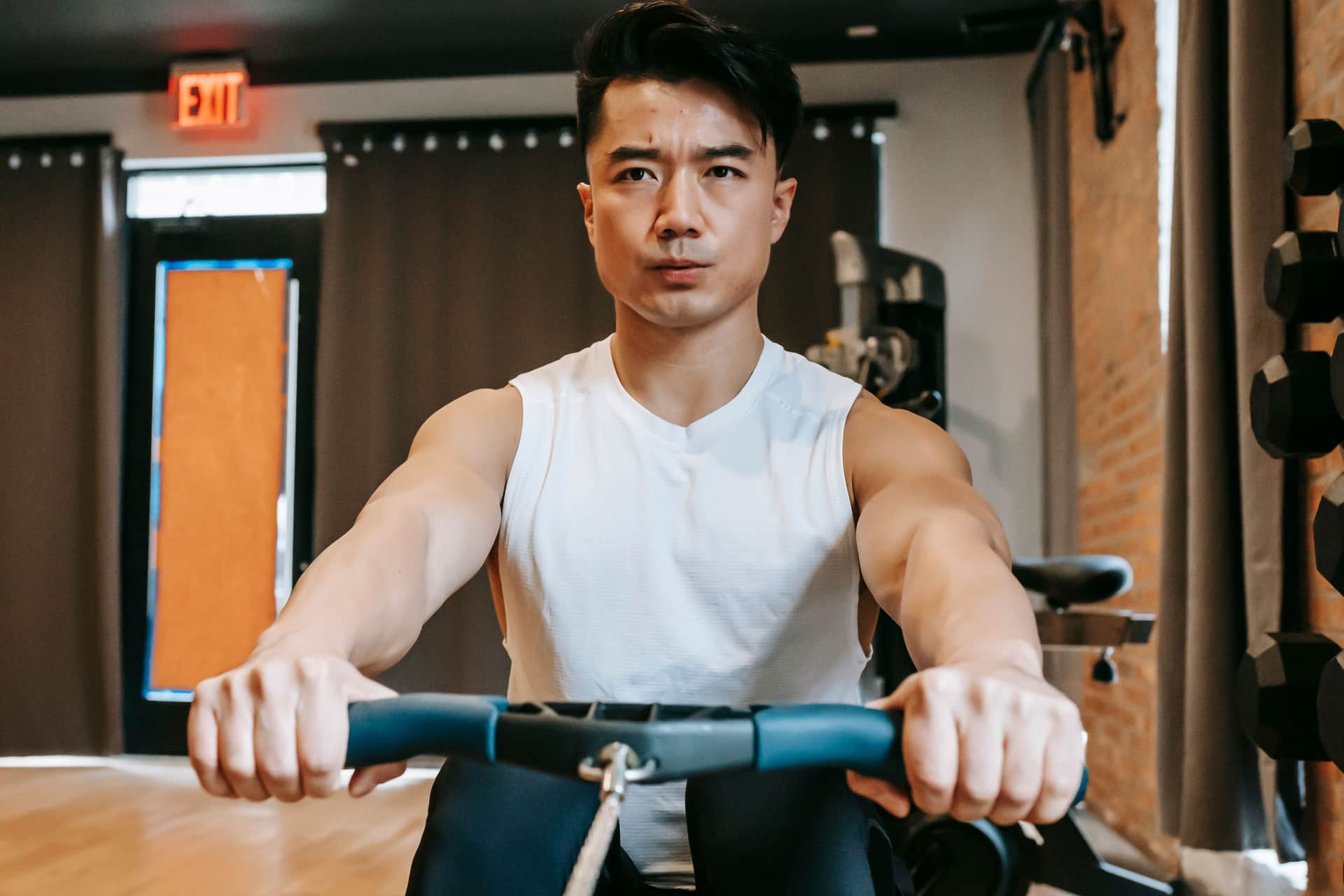
Thirty minutes is the workout most people can actually keep on the calendar. It is long enough to do real aerobic work and short enough that it does not swallow the evening, and on a rowing machine it happens to line up neatly with how the body likes to warm into and out of effort. This guide lays out one complete half-hour session, split into three clear phases — a warm-up, a main set with specific pacing cues, and a cool-down — so you can sit down, follow it, and be done. This is general fitness information, not medical or coaching advice; if you have a condition or an injury, check with a doctor or physiotherapist before pushing hard.
How the half hour breaks down
The session is five minutes easy to warm up, twenty minutes of steady work with a couple of firmer efforts folded in, and five minutes easy to cool down. That five-twenty-five shape is deliberate: the warm-up and cool-down are not padding, they are what let the middle twenty minutes feel good rather than punishing. Skip them and the same main set feels harder, rougher on the joints and slower to recover from. The whole thing is meant to be repeatable several times a week, not a one-off you dread.
Minutes 0 to 5: the warm-up
Start with the damper or resistance set low to moderate and row at a relaxed, unhurried pace — somewhere around eighteen to twenty strokes per minute, breathing easily. The job here is to raise the heart rate gradually, get blood into the legs and back, and rehearse the stroke sequence before it matters: legs, then back, then arms on the drive, and arms, then back, then legs on the recovery. Spend the last minute of the warm-up adding a few slightly firmer strokes so the jump to the main set is not a shock. If you want a fuller routine, the warm-up guide walks through it in more detail.
Minutes 5 to 25: the main set
This is the heart of the session, and the aim is a steady, conversational-to-firm effort that you could sustain the whole way with a little concentration. Settle into roughly twenty to twenty-four strokes per minute and hold a pace that feels like work but never like a sprint — you should be breathing harder but still in control. Rather than staring at a single number, pick a comfortable split on the monitor early and try to keep it steady; if you are not sure what the numbers mean, the monitor guide explains the display and the 500m split guide explains the pace figure most rowers watch.
To keep the twenty minutes from turning into a grind, fold in three firmer efforts. Every five minutes or so, lift the pace for one minute — nudge the stroke rate up toward twenty-four to twenty-six and drive a little harder with the legs — then ease back to your steady pace for the remaining four. Those three one-minute lifts break the block into pieces and give the session some texture without turning it into an interval workout. Keep the stroke long and clean throughout; when good rowers get tired they get shorter and start yanking with the arms, and that is exactly when to reset the sequence. The form guide and the stroke-rate guide are worth a look if either the stroke or the rating feels off.
Minutes 25 to 30: the cool-down
Drop the pace right back down and row easy for five minutes, letting the heart rate and breathing settle before you stand up. This is not wasted time — a gradual cool-down eases the transition out of work and tends to leave you feeling better later in the day. Finish with the resistance low and the stroke slow and loose. The cool-down guide has a slightly longer version if you have the time.
How hard should it feel?
The honest gauge is effort, not a target on a screen. The warm-up and cool-down should feel genuinely easy, like you could keep going for a long time. The steady portion of the main set should feel like moderate work — you can talk in short sentences but would rather not hold a conversation. The one-minute lifts should feel firm and a little uncomfortable by the end, but not all-out. If you find yourself gasping and unable to speak at all during the steady portion, you have set off too fast; ease back and let the pace be something you can hold. Everyone’s comfortable pace is different, so use your own breathing as the reference rather than chasing a number you saw somewhere.
Making it easier or harder
To make the session easier, drop the firmer efforts and simply hold a steady, relaxed pace for the full twenty minutes — that alone is a solid aerobic workout, and it is closer in spirit to steady-state training. To make it harder, lengthen the one-minute lifts to ninety seconds, add a fourth, or hold the steady pace a touch quicker. What you should not do is turn every minute into a maximum effort; that is a different kind of session, and doing it too often is how people get stale or sore. Build the pace up across weeks rather than trying to win the first day.
How this differs from the HIIT and weight-loss sessions
This half hour is a balanced, moderate workout: mostly steady, with a little sharpness. That is deliberately different from a hard interval session, where short, near-maximum bursts alternate with real rest — see the HIIT workout for that structure. It is also distinct from a longer, calorie-focused effort built around time on the machine rather than intensity, which is the idea behind the weight-loss workout. Use this 30-minute session as your reliable default, and reach for the others when you specifically want maximum intensity or maximum duration.
Equipment that makes it easier to hold pace
Any working rower can run this session, but a machine with a smooth, progressive stroke makes it far easier to hold a steady pace, because there is no dead spot tempting you to yank. That is a large part of why air and water machines feel the way they do; the resistance comparison lays out the differences, and the Concept2 RowErg is the reference machine most of these pacing cues were written around. A clear monitor helps too, since holding a split steady is a lot simpler when you can actually read it.
Straight answers
Questions people actually ask
Is a 30-minute rowing workout enough?
For general fitness, yes - thirty minutes of mixed easy and moderate rowing several times a week is a genuine aerobic workout for most people. What matters more than the exact length is that you actually do it regularly. If your goal is a specific race time or a large change in body composition you may eventually want longer or harder sessions, but as a repeatable default, half an hour is plenty.
What stroke rate should I use for a 30-minute row?
Roughly eighteen to twenty strokes per minute for the warm-up and cool-down, twenty to twenty-four for the steady portion, and twenty-four to twenty-six during the one-minute lifts. These are general guidelines, not rules. A lower rate with a strong, long drive usually beats a frantic high rate with a short, choppy stroke, so favor a clean stroke over a big number.
Should I do this every day?
You can row most days if you vary the effort - some easy days, some with the firmer efforts included. Doing a hard version every single day is how people get stale or sore, so mix intensities and give yourself easier days. If you are unsure how often suits you, especially with any health condition, ask a professional.
How many calories does a 30-minute row burn?
It depends heavily on your size, effort and pace, so any single number would be misleading. Treat the calorie readout on the monitor as a rough estimate rather than a fact. The calories guide explains what the figure does and does not tell you and why it varies so much between people.
Can a beginner do this workout?
Yes, with two adjustments: keep the whole thing easier at first, and consider dropping the one-minute lifts until the steady pace feels comfortable. Starting with short, relaxed sessions and adding intensity over a few weeks is far safer than going hard on day one. The beginner rowing plan is a good on-ramp before you add the firmer efforts.
Show your working
Sources
- Concept2 - Compare indoor rowers (official specifications)Accessed 2026-07-24. https://www.concept2.com/indoor-rowers/compare
- Row & Recover - how we pickAccessed 2026-07-24. https://rowandrecover.com/methodology
- Concept2 RowErg - Amazon listingAccessed 2026-07-24. https://www.amazon.com/dp/B00NH9WEUA?tag=t5fitness-20
Keep going
Read next
- A 20-minute rowing workoutThe shorter version for busy days.
- Rowing machine warm-upA few easy minutes that make the whole session feel better.
- Rowing machine cool-downHow to wind down after the work is done.
- Rowing machine HIIT workoutThe hard-interval version when you want maximum intensity.
- Steady-state rowingThe easy, steady base underneath everything else.