Training
Does a Rowing Machine Work Your Legs?
Rowing looks like an arm exercise, but the power comes from the legs - here is how the drive works and why beginners miss it.
We earn a commission if you buy through the links on this page, at no cost to you. It has no effect on what we recommend or the order we recommend it in — we say “skip this one” on machines that pay us the same as the ones we like. How we’re funded.
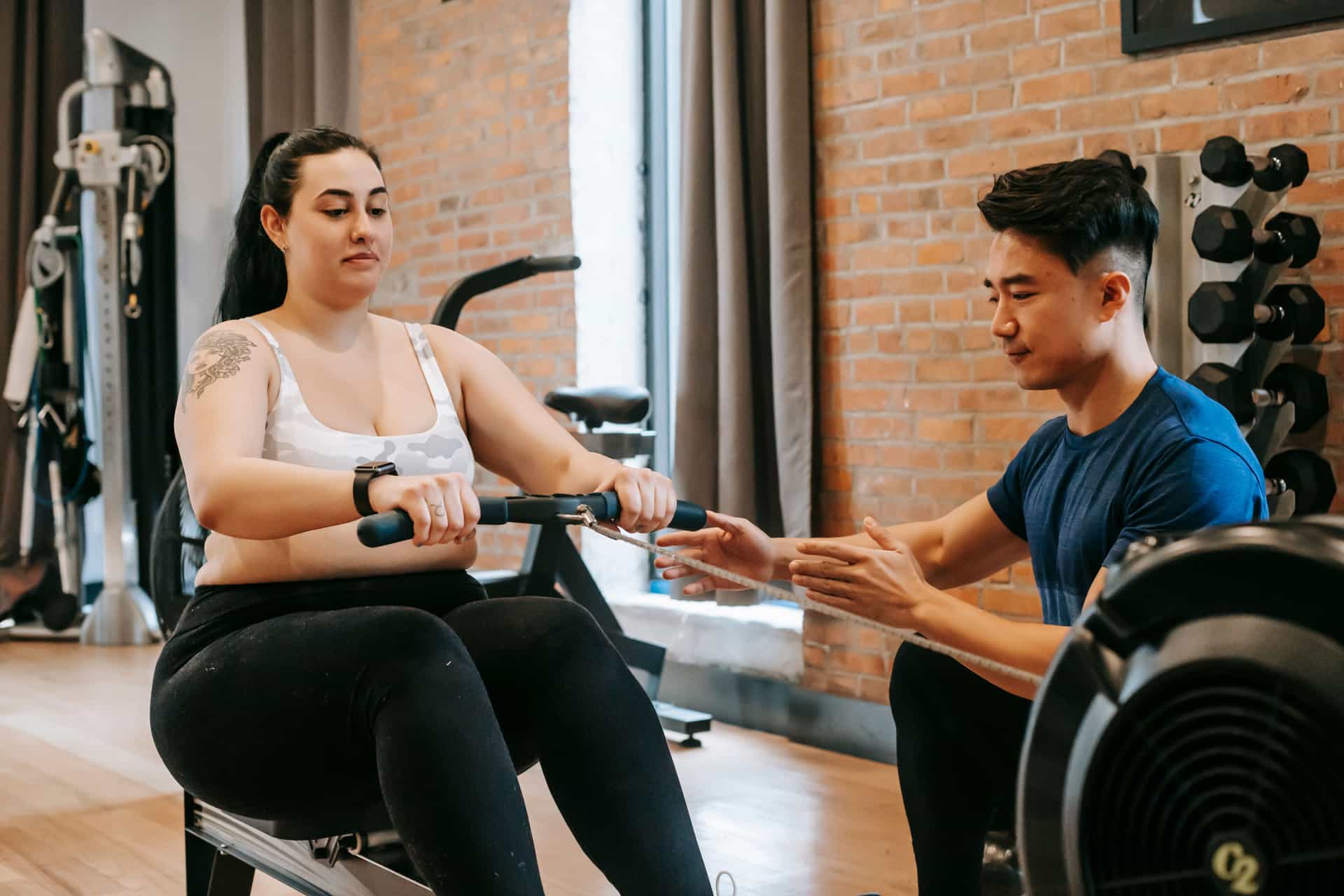
Watch someone row and your eye goes to the arms pulling the handle, so it is easy to assume a rowing machine is mostly an upper-body exercise. It is not. The rowing stroke is powered from the ground up, and the legs do the largest share of the work by a wide margin. Learning to feel that — and to trust it — is the single biggest difference between rowing that leaves your legs pleasantly worked and rowing that just tires out your arms and lower back. This is general fitness information, not medical advice; if you have a knee, hip or back condition, get personal guidance first.
Yes: the drive is mostly legs
Rowing coaches commonly describe the stroke as roughly sixty percent legs, thirty percent core and back, and ten percent arms. Those are rules of thumb rather than laboratory figures, but they capture the truth every experienced rower knows: the drive is a leg press. From the catch position — knees bent, shins vertical, arms straight — the power comes from pressing the footplate away and extending the legs. The back swing and the arm pull that follow add to the stroke, but they finish a movement the legs have already started. If your legs are not doing most of the work, you are not rowing efficiently, and you are leaving both power and training benefit on the table.
The leg-driven stroke, step by step
The stroke has a strict order, and the order is what puts the legs in charge.
- The catch. You are coiled at the front: shins vertical, heels light, arms straight and reaching, back hinged forward from the hips. Nothing has moved yet.
- The drive begins with the legs. Press the footplate away and straighten the legs while the arms stay long and the back stays firm. This is where most of the power is produced, and it should feel like a leg press.
- The back opens. Only as the legs near full extension does the body swing back through the hips, adding the strong muscles of the posterior chain.
- The arms finish. Last of all, the arms draw the handle to the lower ribs. They are the smallest contributor and they come last.
The recovery reverses it — arms away, body over, then knees bend to slide back to the catch — so the legs are the last thing to load and the first thing to fire. Our form guide walks the whole sequence with the common errors, and how to use a rowing machine covers the setup around it.
Why beginners under-use their legs
Almost every new rower makes the same mistake: they pull with the arms first because that is the part of the stroke they can see. The result is tired arms, a sore lower back from yanking the body backward too early, and legs that barely feel touched — and then the conclusion that rowing does not work the legs at all. In reality the legs were never given the job. Two habits cause most of it. The first is starting the pull with the arms and back instead of the legs, which robs the drive of its engine. The second is not sliding far enough forward at the catch, so the legs never reach a deep, powerful bend to press out of. Fix the order and the depth, and the legs suddenly become the part that gets tired — which is exactly how it should be.
The leg muscles rowing trains
A proper drive works nearly the whole lower body.
- Quadriceps. The big muscles on the front of the thigh do the heavy lifting of straightening the knee as you press away from the catch. They are the prime movers of the drive.
- Glutes. The muscles of the seat extend the hip as the legs straighten and the body swings open, and they are central to the powerful hip hinge that a good stroke depends on.
- Hamstrings. On the back of the thigh, they assist hip extension during the drive and then control the slide as you fold back toward the catch on the recovery.
- Calves. The lower-leg muscles stabilize the ankle and contribute as you press through the footplate, more so if you drive through the whole foot rather than only the toes.
Because the legs move through a large range under load on every stroke, and every stroke repeats for the length of the session, rowing is a genuine lower-body endurance workout. The full muscle map, upper body included, is in the muscles-worked guide.
How to feel your legs working
If your legs are quiet and your arms are burning, a few cues fix it fast. Row a few strokes using only your legs — arms dead straight, body still — and notice that the handle still travels a long way; that distance is the legs’ contribution, and it is most of the stroke. Then add the back swing, and only at the very end let the arms bend. Slow the whole thing down until the order feels automatic. Pressing through your heels rather than your toes also recruits the glutes and hamstrings more strongly. Done right, the drive should feel like standing up out of a deep squat, over and over.
Does the machine affect leg work?
The stroke mechanics are the same across resistance types, so any rower will work your legs if you drive properly. The one thing worth checking before you buy is rail length. If the seat rail is too short for your height, you cannot reach a full leg extension, and taller rowers get cut off before the drive is finished — which both reduces the leg work and tempts the lower back to over-lean to compensate. Beyond that, a smooth, progressive stroke makes it easier to feel the legs leading, while a jerky one encourages you to yank with the arms. Pick a machine you can extend fully on, and the legs will get their share.
The verdict
A rowing machine is, quietly, one of the better lower-body cardio tools in the house. The legs supply the majority of every stroke, working the quads, glutes, hamstrings and calves through a long range hundreds of times a session. The catch is that the machine will not force you to use them — you have to drive with the legs on purpose. Learn the order, slide far enough forward, press through your heels, and the part of your body that felt untouched becomes the part that does the work.
Straight answers
Questions people actually ask
Does a rowing machine really work your legs?
Yes - the legs do the majority of every stroke. Coaches often describe rowing as roughly sixty percent legs, thirty percent core and back, and ten percent arms. The drive is essentially a leg press: you press the footplate away and straighten the legs before the back and arms finish the stroke. If your legs do not feel worked, you are probably pulling with the arms first instead of driving with the legs.
Which leg muscles does rowing work?
The quadriceps do the heavy work of straightening the knee on the drive, the glutes extend the hip, the hamstrings assist hip extension and control the slide back, and the calves stabilize the ankle as you press through the footplate. Because these muscles move under load on every stroke and the stroke repeats for the whole session, rowing is a real lower-body endurance workout.
Why do my arms get tired before my legs when rowing?
Because you are pulling with the arms first. New rowers naturally lead with the part of the stroke they can see, which tires the arms and lower back while the legs barely engage. Fix the order - legs, then back, then arms - and slide far enough forward at the catch to get a deep leg bend. Once the legs lead, they become the part that gets tired, which is correct.
Is rowing good for building leg strength?
Rowing builds leg endurance far more than maximal strength. The legs work hard through a large range on every stroke, so they become more conditioned and defined, especially in beginners. But the per-stroke load is light compared with a heavy squat, so if your goal is maximal leg strength or size, pair rowing with resistance training rather than relying on it alone.
Should I push through my heels or toes when rowing?
Drive mainly through your heels and the whole foot rather than just the toes. Pressing through the heels recruits the glutes and hamstrings more strongly and produces a more powerful, stable drive. Your heels may lift slightly at the catch, which is normal, but the power of the drive should come from planting the foot and pressing the flat of it away.
Show your working
Sources
- Concept2 — Compare indoor rowers (official specifications)Accessed 2026-07-24. https://www.concept2.com/indoor-rowers/compare
- Concept2 RowErg - air rower, Amazon listingAccessed 2026-07-24. https://www.amazon.com/dp/B00NH9WEUA?tag=t5fitness-20
- Row & Recover - how we pickAccessed 2026-07-24. https://rowandrecover.com/methodology
Keep going