Technique
How to Warm Up Before Rowing
A five-minute warm-up on the machine itself does more for your rowing - and your back - than any stretch routine. Here is a simple one, and the cool-down to match.
We earn a commission if you buy through the links on this page, at no cost to you. It has no effect on what we recommend or the order we recommend it in — we say “skip this one” on machines that pay us the same as the ones we like. How we’re funded.
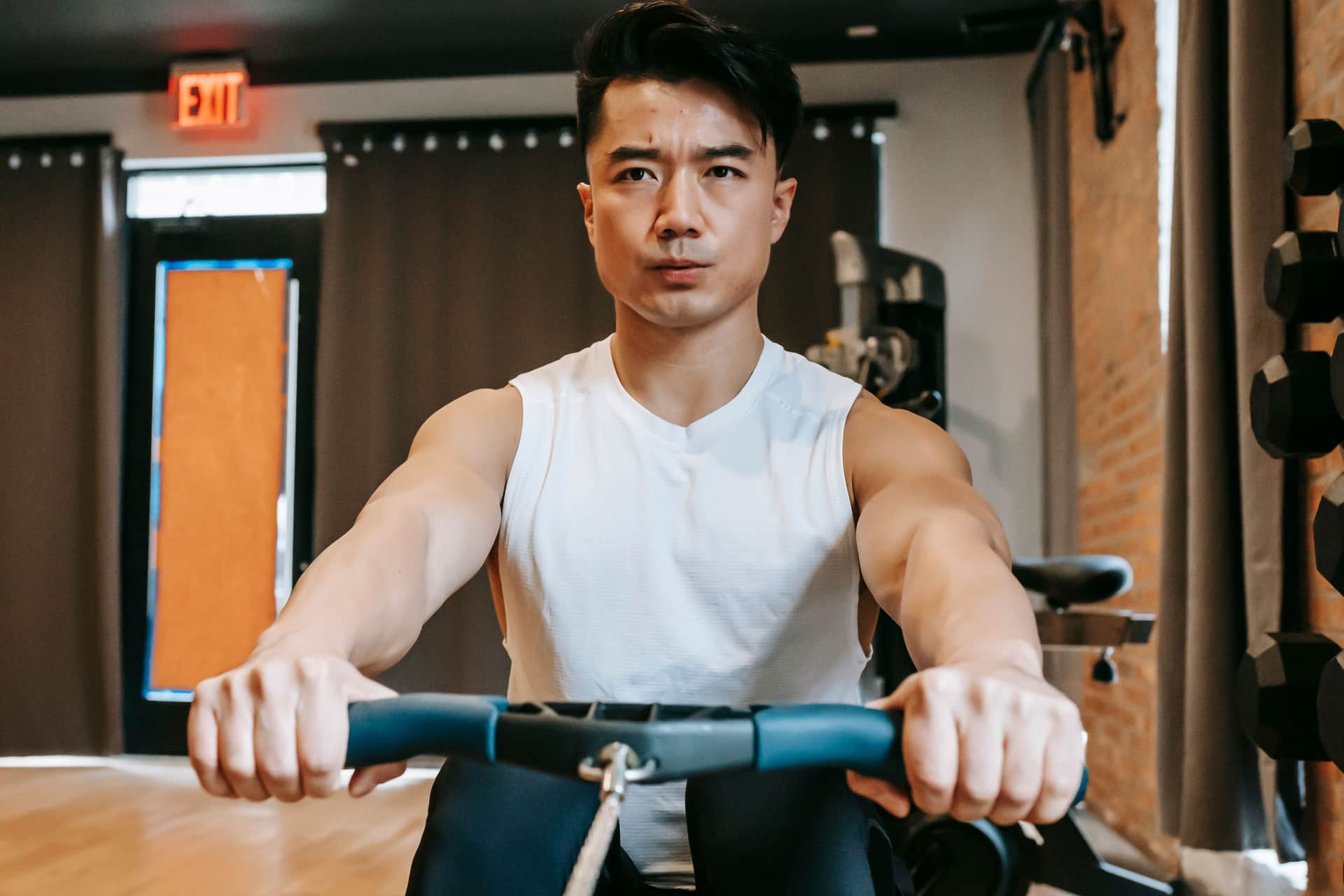
The best warm-up for rowing happens on the rowing machine. A few minutes of easy rowing raises your heart rate, gets blood into your legs and back, and — crucially — rehearses the stroke sequence at low effort before you load it. That last part is what protects your lower back, because most rowing back trouble comes from a rushed or rounded stroke under load, not from a cold muscle.
A five-minute warm-up
Row easy for two minutes at a low stroke rate. Then spend a minute grooving the sequence: arms only, then arms and body, then adding the legs, all at gentle effort — the same progression coaches use to teach the stroke. The full stroke sequence is here. Finally, over two minutes, build the pace up to whatever you are about to work at. Do not jump into a hard effort from cold.
Why the rehearsal matters more than stretching
Static stretching a cold muscle does little for a rowing session and can slightly reduce power if done right before hard efforts. Rehearsing the movement pattern under light load does far more: it wakes up the sequence, checks your form while the stakes are low, and eases the back into the hinge it is about to repeat hundreds of times. Save the longer stretches for the cool-down, when you are warm.
The cool-down
After the session, row five easy minutes to bring your heart rate down gradually rather than stopping dead. Then, while you are still warm, stretch the muscles rowing works hardest — hamstrings, hip flexors and the mid-back. The muscles rowing loads are here, and those are the ones worth a minute each.
Before intervals especially
A proper warm-up matters most before hard work. If you are about to do intervals, do not skip the build-up — going from cold straight into a maximal 30-second effort is how people tweak a back. This is general fitness information, not medical advice; if you have an existing injury or condition, follow professional guidance.
Straight answers
Questions people actually ask
How should I warm up before rowing?
On the machine itself. Row easy for two minutes, then rehearse the stroke sequence - arms only, then arms and body, then adding the legs - at gentle effort for a minute, then build up to your working pace over two more minutes. This raises your heart rate and grooves the movement before you load it, which protects your back.
Should I stretch before or after rowing?
After. Static stretching a cold muscle does little for a rowing session and can slightly reduce power before hard efforts. Rehearsing the stroke under light load is a better warm-up. Save longer stretches - hamstrings, hip flexors, mid-back - for the cool-down, when you are still warm.
How do I cool down after rowing?
Row five easy minutes to bring your heart rate down gradually rather than stopping dead, then stretch the muscles rowing works hardest while you are still warm - hamstrings, hip flexors and the mid-back. The easy rowing clears the legs and the stretching is more effective warm than cold.
Show your working
Sources
- Concept2 RowErg - published specificationsAccessed 2026-07-24. https://www.amazon.com/dp/B00NH9WEUA
- Concept2 - Compare indoor rowers (official specifications)Accessed 2026-07-24. https://www.concept2.com/indoor-rowers/compare
Keep going
Read next
- Stretches for rowersA post-row routine for the muscles rowing works.
- How to use a rowing machineThe stroke you are rehearsing.
- A rowing HIIT workoutWhen the warm-up matters most.
- What muscles rowing worksWhat to stretch afterwards.
- Stroke rate explainedBuilding pace the right way.
- How to cool down after rowingThe other end of the session: paddle down and stretch.
- Breathing techniqueExhale on the drive - and stop holding your breath.