Recovery
How to Recover After Rowing
The quiet half of training: what to do off the machine so your rowing turns into fitness instead of fatigue.
We earn a commission if you buy through the links on this page, at no cost to you. It has no effect on what we recommend or the order we recommend it in — we say “skip this one” on machines that pay us the same as the ones we like. How we’re funded.
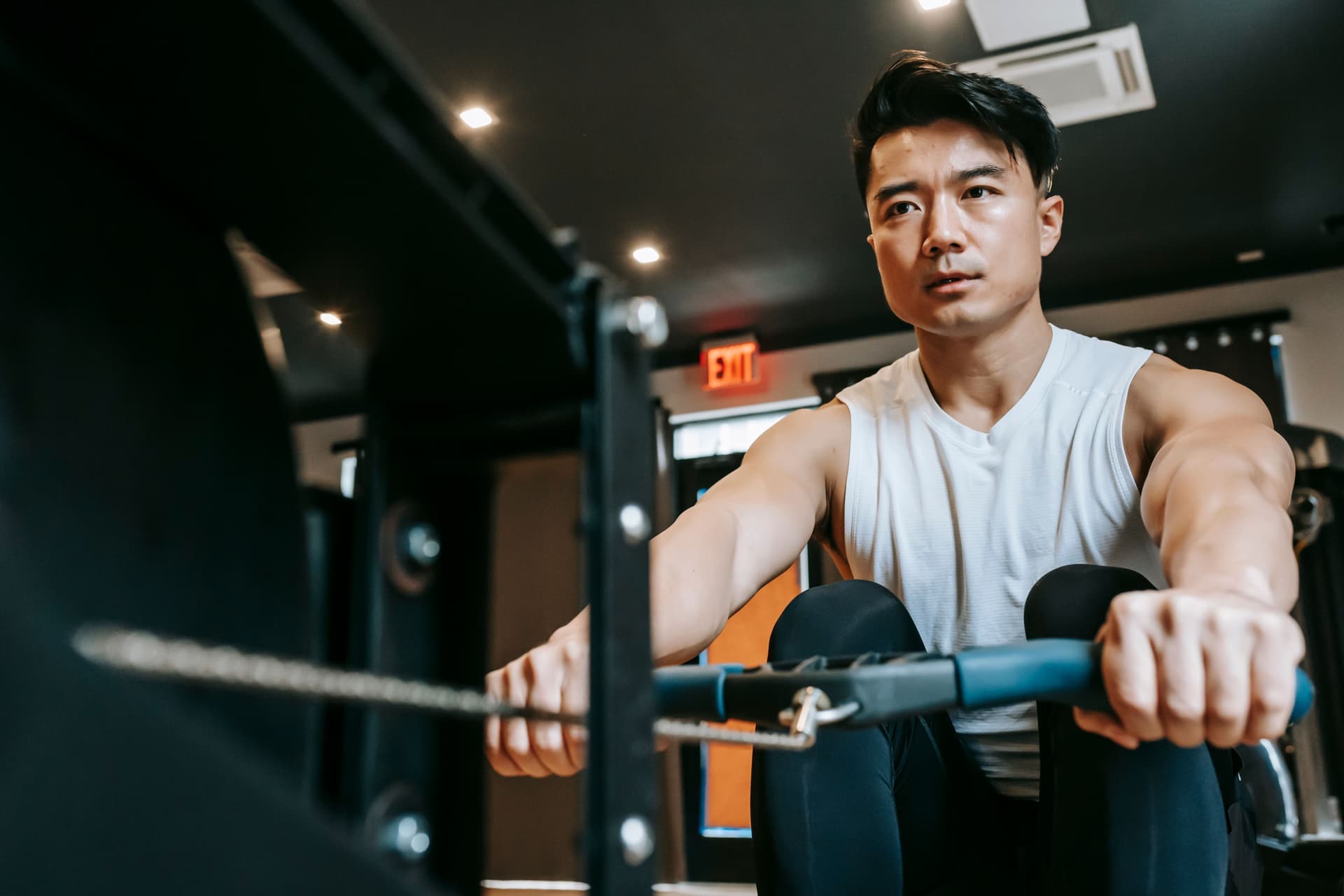
Recovery after rowing is the quiet half of training — the part that happens off the machine, where the work you just did turns into fitness rather than fatigue. The good news is that it is not complicated: an easy cool-down, something to drink and eat, enough sleep, and the honesty to take a lighter day when your body asks for one. This is general information about habits and equipment, not medical advice, and anyone with an injury or a health condition should check with a doctor or physiotherapist before leaning on any recovery routine.
Start with a proper cool-down
Recovery begins before you step off the rail. Ending a hard piece by simply stopping leaves your heart rate high and your legs heavy; a few easy minutes of very light rowing lets everything wind down gradually. Drop the intensity right down, keep the stroke long and relaxed, and let your breathing settle before you stand up. It is the simplest recovery habit there is, and the one people skip most. The cool-down guide covers how to bring your heart rate down in a few unhurried minutes.
Rehydrate, then eat something
You lose fluid whenever you sweat, and rowing hard in a warm room can move more than you notice. There is no need to measure anything — drink to thirst over the hour or two after a session, and a little more if it was long or hot. Food matters too, though not in the fussy, gram-counting way the internet sometimes suggests. A normal balanced meal with some protein and some carbohydrate within a reasonable window after training gives your body what it needs to repair and refuel. If a full meal is hours away, a small snack bridges the gap. The specifics matter far less than most people fear; consistency across the week beats precision on any single day.
Sleep is the real recovery
If there is one lever that does more than all the others combined, it is sleep. This is when the adaptation to training actually happens — muscles repair, the nervous system resets, and yesterday’s effort becomes tomorrow’s slightly higher fitness. No supplement, gadget or stretch comes close, and it is worth reading something like Trusted Health Gear’s recovery gear that’s actually worth it with that in mind before you spend on any of it. Protect your sleep the way you would protect a workout: a consistent bedtime, a dark and cool room, and a wind-down that does not end with a screen in your face. Many people find that a stretch of poor sleep, not a single hard session, is what leaves them feeling flat and heavy on the erg.
Easy days and hard days
Recovery is not only what you do after a workout — it is how you arrange the whole week. Stacking hard session on hard session gives the body no chance to absorb any of it, and the result is a slow slide into fatigue rather than progress. The old rhythm of a hard day followed by an easy one exists for a reason. Keep most of your rowing genuinely easy, save the truly hard efforts for a day or two a week, and treat the light days as part of the plan rather than a lapse of willpower. Progress is built on the sessions your body has actually recovered from, not the ones you gritted through while already tired.
Gentle mobility, when you are warm
A few minutes of easy stretching while your body is still warm from the session can help you feel looser and less stiff the next morning, and it is a pleasant way to close out a row. Keep it gentle — recovery stretching is not the place to force new range of motion. A simple post-row stretch routine targets the hips, hamstrings, back and forearms that rowing works hardest. The evidence on stretching for soreness is genuinely mixed, so treat it as something that helps many people feel better rather than a guaranteed fix.
Listen to soreness, and know the normal kind
Some muscle soreness in the day or two after a harder-than-usual session is normal, especially when you are new to rowing or have just bumped up your training. It tends to ease as you keep moving and fades on its own. What is not normal is sharp, joint-centered or one-sided pain, or an ache that keeps getting worse — that is a signal to stop and, if it persists, to get it looked at. Why you get sore after rowing walks through the difference between ordinary muscle soreness and the kind worth paying attention to.
Active recovery versus full rest
On the days between hard sessions you have two honest options, and both are fine. Complete rest — doing nothing — is underrated, and sometimes exactly what a tired body needs. The alternative is active recovery: very light, short movement that gets blood flowing without adding real training stress. Active recovery rowing covers how to use the erg for this without accidentally turning it into a workout. Which you choose depends on how you feel; there is no medal for training through genuine fatigue.
The bottom line
Good recovery after rowing is mostly unglamorous consistency: cool down instead of slamming to a halt, drink and eat something sensible, guard your sleep, and build easy days into the week rather than apologizing for them. Pay attention to soreness, choose rest or gentle movement based on how you actually feel, and remember that this is general guidance, not a treatment plan — if pain lingers or you have a health condition, a doctor or physiotherapist is the right person to ask. Do the quiet half well and the loud half, the rowing itself, gets better almost on its own.
Straight answers
Questions people actually ask
How should you recover after a rowing workout?
Start with an easy cool-down instead of stopping suddenly, then drink to thirst and eat a normal balanced meal within a reasonable window. Protect your sleep, since that is when most recovery actually happens, and build easy days into your week rather than training hard every session. This is general information, not medical advice - if pain lingers or you have a health condition, see a doctor or physiotherapist.
What should you eat after rowing?
There is no need to count grams. A normal balanced meal with some protein and some carbohydrate within a reasonable window after training gives your body what it needs to repair and refuel. If a full meal is hours away, a small snack bridges the gap. Consistency across the week matters far more than precision on any single day.
Should you rest or do active recovery after rowing?
Both are fine, and the right choice depends on how you feel. Complete rest suits days when you are genuinely tired or sore in a way movement does not ease. Very light, short active recovery suits days when gentle movement leaves you feeling looser. Neither is superior - listen to your body rather than forcing a rule.
Is it normal to be sore after rowing?
Some muscle soreness in the day or two after a harder session is normal, especially when you are new or have just increased your training, and it usually eases as you keep moving. Sharp, worsening, joint-centered or one-sided pain is not the ordinary kind and is a reason to stop and, if it persists, get it checked.
How important is sleep for recovery?
Very. Sleep is when the body adapts to training - muscles repair and the nervous system resets - and no stretch, supplement or gadget substitutes for it. A consistent bedtime and a dark, cool room do more for how you feel on the erg than most recovery gadgets. Poor sleep, not a hard session, is often what leaves people feeling flat.
Show your working
Sources
- Concept2 — Compare indoor rowers (official specifications)Accessed 2026-07-24. https://www.concept2.com/indoor-rowers/compare
Keep going