Recovery
Foam Rolling for Rowers
A few gentle minutes with a roller on the muscles rowing loads most - what it helps, what it doesn't, and how to do it without overdoing it.
We earn a commission if you buy through the links on this page, at no cost to you. It has no effect on what we recommend or the order we recommend it in — we say “skip this one” on machines that pay us the same as the ones we like. How we’re funded.
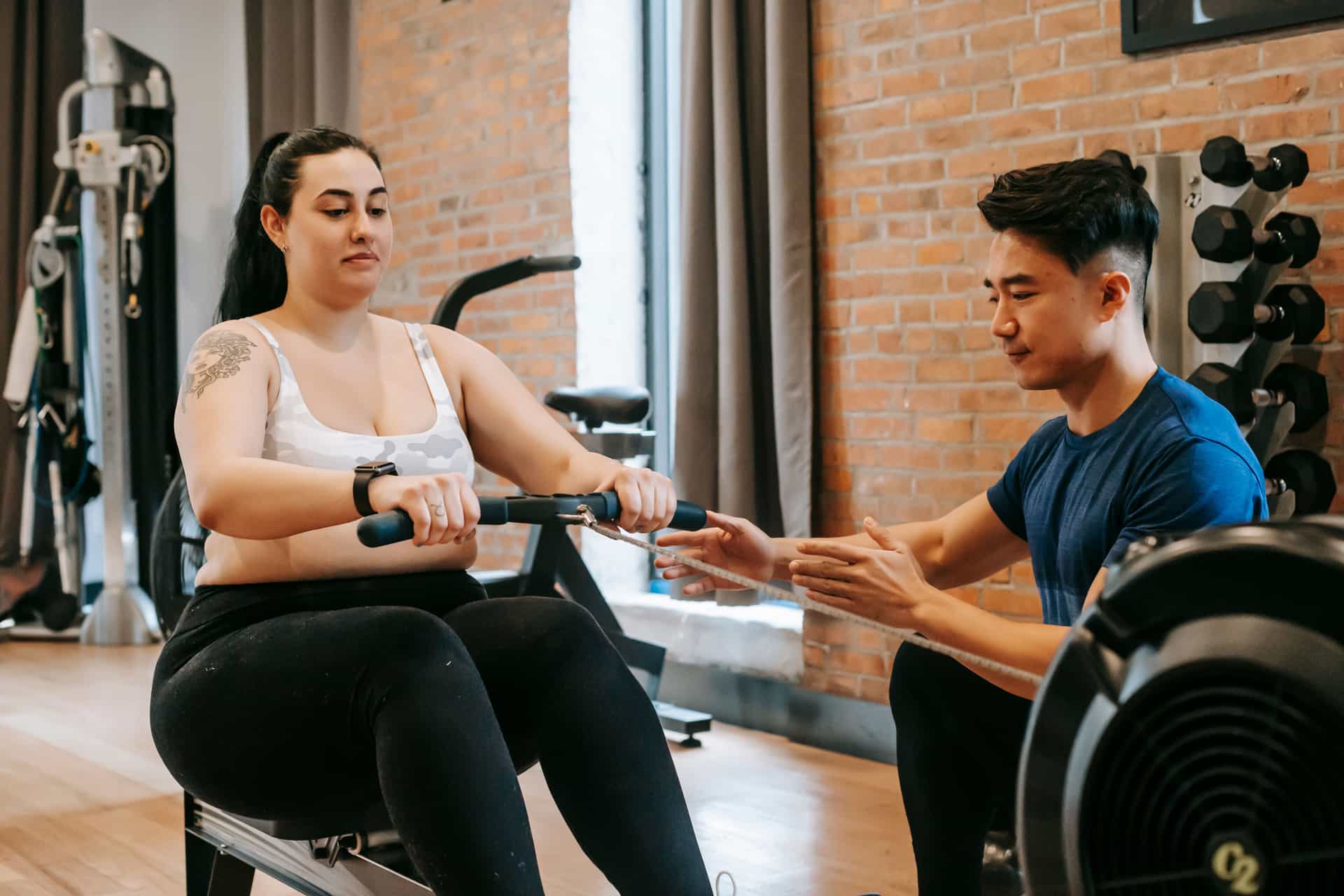
Foam rolling is a simple self-massage habit: you use your own body weight to press a firm cylinder into a muscle and slowly roll along it. For rowers it is mostly a way to make tight, worked areas feel looser after a session, and to spend a few quiet minutes moving through the muscles that rowing loads hardest. This is general information about a recovery habit, not medical advice, and if you have an injury or a health condition you should check with a doctor or physiotherapist before adding it.
What foam rolling actually is
A foam roller is a dense foam or hollow-plastic tube, usually a foot or so long. You lay a muscle across it and use your legs or arms to move your body so the roller travels slowly along the length of the muscle. The pressure comes from how much of your weight you let sink onto it, which means you are always in control of how hard it feels. It is sometimes called self-myofascial release, but you do not need the jargon: it is a firm, rolling massage you give yourself on the floor.
It is worth being honest up front about what it does. The research on foam rolling is modest and mixed. It seems to help a muscle feel looser and can improve how far a joint moves for a short while afterward, but the evidence that it meaningfully speeds recovery or boosts performance is thin. Treat it as a comfort-and-mobility habit that many people enjoy, not as a treatment that fixes anything.
Which areas rowing loads most
Rowing is a full-body movement, so the list of muscles worth rolling is longer than for a bike or a treadmill. If you want to see exactly what each stroke works, the muscles-worked guide breaks it down. For rolling, focus on the areas that tend to feel tight afterward.
- Quads. The front of the thighs do a huge share of the drive. Lie face down with a roller under one thigh and roll from just above the knee to the top of the leg.
- Glutes. Sit on the roller, cross one ankle over the opposite knee, and lean gently into that side.
- Hamstrings. Sit with the roller under the back of the thighs and shift your weight along them slowly.
- Calves. The same seated position, roller lower, working from the ankle up toward the knee.
- Upper back and lats. The back and the muscles under the arms work hard through the finish of every stroke. Lie back with the roller across the upper back, or turn onto one side to reach the lat below the armpit.
- The side of the hip and thigh. The outside of the leg, often called the IT-band area, can feel tight in rowers. Roll the muscles around it gently rather than grinding on the band itself, which is tough tissue that does not need heavy pressure.
How to do it gently
The single most common mistake is going too hard. Foam rolling should feel like a firm, tolerable pressure, not a sharp or breath-holding pain. Roll slowly — a few inches every second or two, not a frantic sawing motion — and breathe normally the whole time. If you find a spot that feels especially tight, you can pause and rest on it for a handful of breaths, letting your weight settle rather than forcing it. Never roll directly on a joint, on the spine itself, or on a bruise, and keep off any area that is actually injured. A minute or two per area is plenty; longer is not better.
When to roll
The most comfortable time is after a session, when the muscles are already warm. Rolling as part of your wind-down turns a few minutes of easy movement into a calmer end to the workout. If you like to roll before rowing, keep it brief and light — a quick pass to feel loose, not a deep session that leaves the muscles tender before you have even started. Rolling a warm muscle is always kinder than digging into a cold one. It slots naturally into the same slot as your cool-down.
How it feels, and what to expect
A good roll feels like a deep, slightly uncomfortable pressure that eases as you stay with it, followed by a loose, worked-over feeling in the muscle. It should not leave you sore for days; if it does, you went too hard. Many people find that the areas they roll feel less stiff and move a little more freely afterward, which is a real and pleasant effect even if it is a short-lived one. What you should not expect is for rolling to erase next-day muscle soreness. If you are trying to understand that ache, the guide on why you are sore after rowing covers what is normal and what is not.
Foam rolling pairs with stretching
Rolling and stretching do slightly different jobs and work well back to back. A short roll to loosen a muscle, followed by an easy stretch to move it through its range, is a comfortable routine that many rowers settle into. Neither one is magic, but together they make a pleasant few minutes that mark the end of training and leave you feeling looser. The stretches-for-rowers guide has simple movements for the same areas you have just rolled.
The bottom line
Foam rolling is a cheap, low-risk habit that most rowers enjoy: a few minutes of firm self-massage on the quads, glutes, hamstrings, calves and upper back after a session, done gently and on warm muscles. Be honest with yourself about what it delivers — a looser, freer feeling in the short term rather than any proven boost to recovery or performance — and it earns its place. Keep the pressure tolerable, stay off joints and injuries, and if anything hurts in a way that worries you, stop and ask a professional.
Straight answers
Questions people actually ask
Does foam rolling help rowing recovery?
It can make worked muscles feel looser and can improve how far a joint moves for a short time afterward, which many rowers value. But the research is modest and mixed, and there is little strong evidence that it meaningfully speeds recovery or boosts performance. Treat it as a comfort-and-mobility habit you enjoy, not a treatment that fixes anything. This is general information, not medical advice.
Should I foam roll before or after rowing?
After is the most comfortable time, because the muscles are already warm and it fits naturally into your wind-down. You can roll before rowing too, but keep it brief and light so you do not leave the muscles tender before you start. Rolling a warm muscle is always kinder than digging into a cold one.
How hard should foam rolling feel?
Firm and tolerable, never sharp or breath-holding. Roll slowly, breathe normally, and let your body weight set the pressure so you stay in control. If a spot feels especially tight you can pause and rest on it for a few breaths. If rolling leaves you sore for days, you went too hard - a minute or two per area is plenty.
Which muscles should rowers foam roll?
The areas rowing loads most and that tend to feel tight afterward: the quads, glutes, hamstrings, calves, and the upper back and lats. The outer hip and thigh, the IT-band area, can also feel tight - roll the muscles around it gently rather than grinding on the tough band itself. Stay off joints, the spine and any injured area.
Can foam rolling replace stretching?
Not really - they do slightly different jobs and work well together. Rolling helps a muscle feel looser, while stretching moves it through its range. A short roll followed by an easy stretch on the same areas is a comfortable routine, and neither one on its own is a substitute for the other.
Show your working
Sources
- Concept2 — Compare indoor rowers (official specifications)Accessed 2026-07-24. https://www.concept2.com/indoor-rowers/compare
Keep going