Cardio or strength?
Is a Rowing Machine Cardio or Strength Training?
The honest answer: rowing is cardio with a genuine strength-endurance edge - but it is not strength training in the build-muscle sense. Here is why the distinction matters.
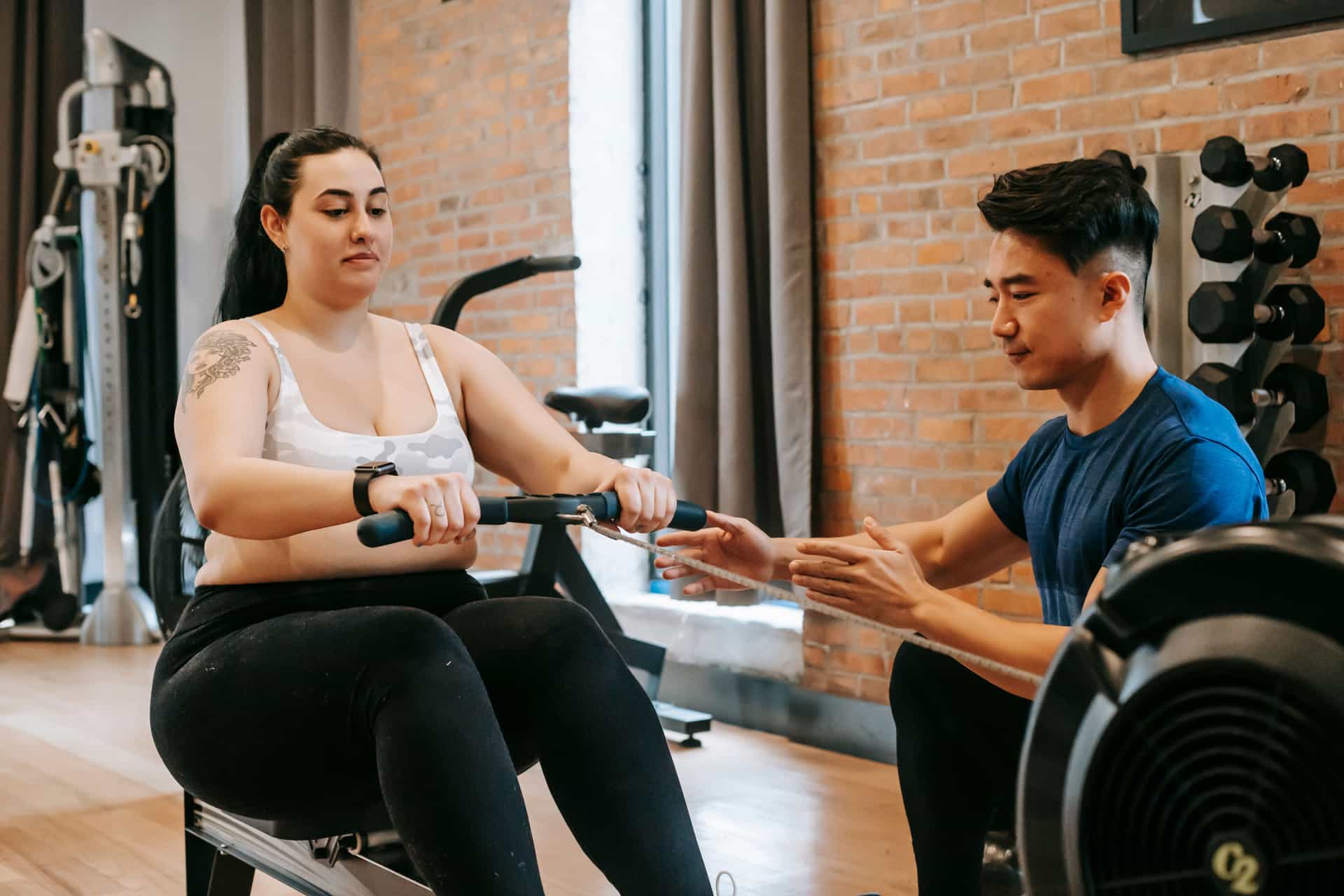
If you want the answer in one word: cardio. A rowing machine is a cardiovascular tool first, and everything else it does for your body rides on top of that. It builds genuine strength-endurance, and for someone who has never trained it can add a little real strength at the start — but it is not strength training the way a barbell is, and treating it as a muscle-building program will disappoint you.
Why rowing is cardio first
Cardio is defined by what an exercise asks of your heart and lungs, not by whether it feels hard in the moment. Rowing keeps you moving continuously, stroke after stroke, at an elevated heart rate for the length of the session. That sustained aerobic demand — not the burn in any single muscle — is what your cardiovascular system adapts to. The longer you hold a steady effort, the more clearly the machine behaves like a treadmill or a bike: an engine for your heart, lungs and circulation.
It is also why the health case for rowing is written in the language of endurance rather than of one-rep maxes. It trains aerobic capacity, it is low-impact because you sit and the seat carries your weight, and it recruits most of your major muscles at once, which is why it feels harder than cycling at the same perceived effort. We lay out that side in full in our rowing machine cardio benefits guide.
The strength-endurance element
Here is where rowing earns its reputation as more than “just cardio.” Every stroke is a resistance push: your legs drive against the footplates, your core and back transfer that force, and your arms finish the pull. A rowing stroke is roughly 60% legs, 20% core and back, 20% arms, so a hard row genuinely loads the biggest muscles in your body — just repeatedly and at a submaximal load rather than once at a near-maximal one.
That repeated loading builds muscular endurance, and in an untrained person it can add a modest amount of real size and strength early on, because almost any new stimulus does. How far that goes has honest limits, which we cover in does rowing build muscle. The short version: rowing will firm and condition the muscles it uses, but it is not a hypertrophy program, and it will not build a physique on its own.
Why it is not “strength training”
Strength training, in the specific sense the term is used, means progressively overloading a muscle with a near-maximal load for a low number of reps, and steadily increasing that load over weeks. That progressive overload is the mechanism that drives meaningful gains in maximal strength and size. Rowing does not do this. The resistance is submaximal by design, the rep count is enormous, and you cannot keep adding load the way you add plates to a bar.
A row is closer to a very long set of light, full-body reps than to a heavy lift. That is a feature, not a flaw — it is exactly what makes rowing sustainable cardio — but it is why the machine will not give you a powerlifter’s back or a bodybuilder’s legs. If you want to know precisely which muscles it does and does not develop, our muscles worked breakdown maps the whole chain.
How to make a row more strength-like
You can nudge rowing toward the strength end of the spectrum without pretending it becomes lifting. Raising the damper setting makes each stroke feel heavier and more like a leg press, and short, powerful intervals — a handful of very hard strokes, full rest, then repeat — bias the work toward power rather than pure endurance. Both increase the strength-endurance stimulus meaningfully.
But notice what has not changed: even a high-damper interval session is still cardio-dominant, because your heart rate stays elevated throughout and the load never approaches the near-maximal effort that builds raw strength. You are seasoning a cardio workout, not converting it into a strength one. Anyone who tells you a damper setting turns an erg into a squat rack is selling something.
What to pair it with
The honest recommendation is to stop asking rowing to be two things at once. Use it for what it is unmatched at — efficient, low-impact, full-body conditioning — and add resistance training separately if size and maximal strength are goals. A common, sensible split is rowing for cardio on some days and a barbell or dumbbell routine on others; the two complement rather than compete, and rowing’s low-impact nature means it will not chew up your recovery the way running can.
If this is your first rower and conditioning is the priority, the machines that make a clean, sustainable stroke easy to learn are the ones to start with — our best rowing machines for beginners is the place to begin. Buy it for the cardio, and enjoy the strength-endurance as the bonus it is.
Straight answers
Questions people actually ask
Is rowing cardio or weights?
It is cardio. A rowing machine trains your heart and lungs through sustained, continuous effort, which is the definition of cardiovascular exercise. It has a strength-endurance element because every stroke is a resistance push through your legs, back and arms, but it works those muscles at a submaximal load for very high reps - the opposite of how weights build maximal strength.
Does a rowing machine build muscle?
Some, but it is cardio-first. Rowing conditions and firms the muscles it uses and can add a little size and strength in someone who is untrained, because any new stimulus does. It is not a hypertrophy program, though - there is no progressive overload with near-maximal loads, so it will not build a physique the way lifting does.
Is rowing resistance training?
Not in the technical sense. Each stroke does move against resistance, so there is a resistance-endurance quality to it, but resistance training means progressively overloading a muscle with heavy loads and low reps. Rowing uses submaximal effort over thousands of strokes, which builds endurance and cardiovascular fitness rather than maximal strength.
Can rowing replace strength training?
No. If your goal is maximal strength or noticeable muscle size, rowing cannot substitute for lifting, because it never loads a muscle near its limit or lets you add load progressively. It pairs beautifully with strength training - use rowing for low-impact conditioning and a barbell or dumbbell routine for size and strength.
Show your working
Sources
- Concept2 — Compare indoor rowers (official specifications)Accessed 2026-07-24. https://www.concept2.com/indoor-rowers/compare
- Concept2 - Training and technique resourcesAccessed 2026-07-24. https://www.concept2.com/training
Keep going