Training
Zone 2 Training on a Rowing Machine
Rowing is unusually good at zone 2 because you set the intensity with your own hands. The hard part is not finding the pace - it is resisting the urge to row faster than it.
We earn a commission if you buy through the links on this page, at no cost to you. It has no effect on what we recommend or the order we recommend it in — we say “skip this one” on machines that pay us the same as the ones we like. How we’re funded.
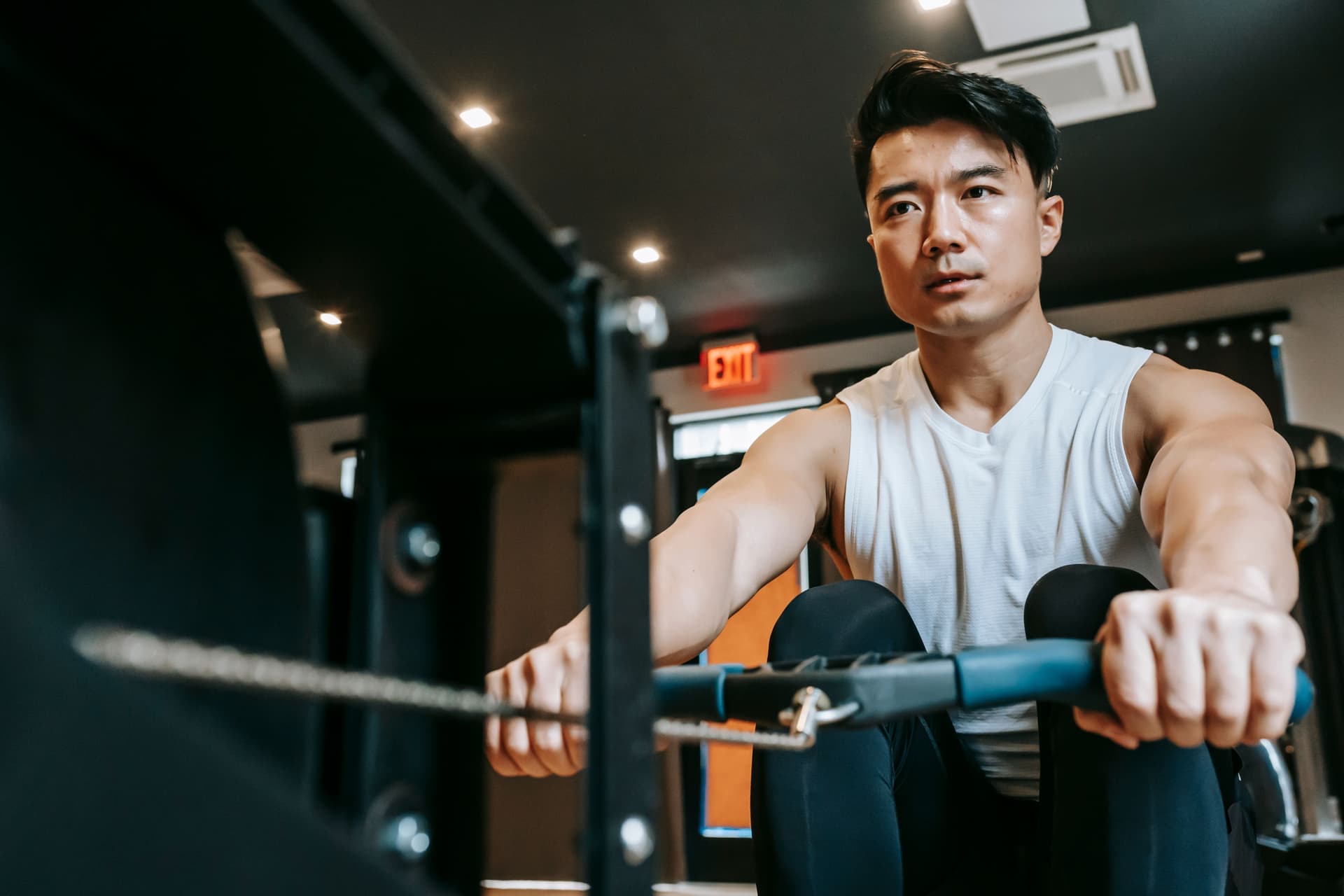
A rowing machine is one of the best tools there is for zone 2 work, for a reason that sounds too simple: the intensity is set entirely by how hard you pull, so there is no incline, no belt speed and no gear to fight. You can hold a genuinely easy effort for an hour and nudge it by a single watt if you want to. The difficulty is never finding the pace. It is believing the pace is slow enough, and staying there. This is general fitness information, not medical advice; if you have a heart condition or any concern about exercise intensity, talk to a doctor before training by heart rate.
What zone 2 means, without the mysticism
Zone 2 is the second band in a five-zone intensity model: easy, steady, aerobic work you could sustain for a long time. The specific percentages differ between methods and we are not going to pretend there is one authoritative set — our heart rate training guide lays out the broader picture of easy, moderate and hard. The practical definition that survives every model is the talk test: in zone 2 you can hold a conversation in full sentences. If you can only manage short phrases you have drifted into zone 3; if you could sing, you are in zone 1.
Why anyone cares: most training methods put the large majority of weekly volume — commonly cited as around eighty percent — in this easy band, with a small amount of genuinely hard work on top. The failure mode is the opposite, a week spent entirely in a moderately-hard grey middle that feels productive and builds less than either end would. That is the same argument as steady-state training, which on a rower is largely the same thing by another name.
The two numbers on the monitor that keep you honest
Heart rate is the definition, but it lags — it takes a couple of minutes to settle and drifts upward over a long piece even at constant effort. So use heart rate to find your zone and these two to hold it:
- Stroke rate. The single most reliable governor of easy rowing. Easy rowing happens at a low rate, commonly in the high teens to low twenties, because a high rate forces a rushed recovery and drags the effort up whether you intend it or not. Cap your rate and the intensity largely caps itself — stroke rate explained covers the mechanism.
- Split, or watts. Your 500 m split is the pace figure rowers talk in; watts is the same information without the arithmetic, and is explained in watts explained. Find the split you can hold while talking, write it down, and treat it as a ceiling rather than a target.
A third number is worth setting once and leaving alone: the drag factor. Zone 2 rowing is generally more comfortable at a moderate drag rather than a heavy one, because heavy drag loads each stroke enough to pull you out of the easy band at a low rate. Set it by the drag factor the monitor reports rather than by the damper lever, since the same lever position gives different drag as a flywheel collects dust — drag factor and damper setting cover both.
A zone 2 session that works
Thirty to sixty minutes continuous, stroke rate capped, split held constant, breathing through your nose if you can. It should feel almost boringly sustainable at minute forty. Two practical warnings. First, your split will drift slower over a long piece at the same heart rate — that is normal and not a sign of weakness, so pick one of the two to hold and let the other move. Second, the limiting factor on a long easy row is almost never your fitness: it is the seat and your hands. That is why seat comfort and hand care stop being minor topics the moment you start doing hour-long pieces.
How often is the usual next question, and how often should you row answers it properly. The short version: easy work is easy enough to do most days, which is the whole point of it.
What the machine has to do for zone 2
Less than you might think, but the two requirements are real and both are published. It needs a monitor that shows stroke rate and either split or watts, because without a number “easy” is a feeling and feelings drift upwards. And it needs a monitor that can pair with a heart rate strap if you intend to use heart rate at all — most performance monitors and connected machines do, most basic budget LCDs do not. Resistance type matters far less here than it does for interval work, because you are nowhere near any machine’s ceiling.
| Machine | Monitor | Resistance | Rail length | Needs mains power |
|---|---|---|---|---|
| Concept2 RowErg | PM5, Bluetooth + ANT+ | air | Not published | No |
| MERACH NovaRow R50 Pro | MERACH competition monitor, Bluetooth | air | Not published | No |
| Sunny Health & Fitness Smart Dual-Rail Rower | Adjustable LCD | magnetic | 50 in | No |
| WaterRower Natural (Ash) | S4 | water | Not published | No |
Where this lands
Three machines you can hold an easy pace on for an hour
Concept2 RowErg
The default, because the PM5 shows stroke rate, split, watts and drag factor at once and pairs with a heart rate strap over Bluetooth or ANT+. Everything zone 2 asks for is on one screen. No subscription, published 500 lb capacity, five-year frame warranty.
$990.00 · Check price on AmazonPrice as of October 5, 2026. #ad How we’re funded
MERACH NovaRow R50 Pro
The same competition-style geometry and a competition-style monitor for roughly half the money, and it splits for vertical storage. MERACH publishes no user weight limit for this model, which is worth knowing before you commit.
$559.99 · Check price on AmazonPrice as of October 5, 2026. #ad How we’re funded
WaterRower Natural (Ash)
For the reader whose hour-long rows happen in a living room. A hand-built ash frame, the sound of water instead of a fan, and it stands on end when you are done - this is the machine people actually keep sitting on, which is what long easy volume needs most.
$1,729.99 · Check price on AmazonPrice as of October 5, 2026. #ad How we’re funded
If you want the opposite end of the week — the small amount of genuinely hard work that sits on top of all this easy volume — the HIIT session and the 5 km piece are the two templates worth having.
Straight answers
Questions people actually ask
Is a rowing machine good for zone 2 training?
Unusually good. You set the intensity entirely with your own hands, so there is no incline or belt speed to fight and you can nudge the effort by a single watt. A rower also loads a lot of muscle evenly, which makes a long easy effort feel steady rather than localised in your legs.
How do I know I am in zone 2 on a rower?
Use the talk test as the definition - in zone 2 you can speak in full sentences - and then hold it with two numbers from the monitor: a low stroke rate, commonly in the high teens to low twenties, and a split or watts figure you noted while you could still talk comfortably. Heart rate lags by a couple of minutes and drifts upward over a long piece, so it confirms the zone rather than steering it.
What stroke rate is zone 2 rowing?
Lower than most people row at - typically the high teens to low twenties. A high stroke rate forces a rushed recovery and drags the intensity up whether you intend it or not, so capping the rate is the simplest way to cap the effort. The exact number is individual; find the rate at which you can still hold a conversation.
How long should a zone 2 row be?
Thirty to sixty minutes continuous is the usual shape, and it should feel almost boringly sustainable at minute forty. Beyond about an hour the limiting factor is rarely fitness - it is the seat and your hands, which is why seat comfort and hand care matter for long easy work in a way they do not for intervals.
Do I need a heart rate strap?
Not to start - the talk test plus a capped stroke rate gets you most of the way there. If you do want heart rate, check that your machine's monitor pairs with a strap before relying on it: most performance monitors and connected machines support Bluetooth or ANT+ pairing, and most basic budget LCDs do not. A chest strap is generally more consistent than a wrist sensor.
Show your working
Sources
- Concept2 — Compare indoor rowers (official specifications)Accessed 2026-07-24. https://www.concept2.com/indoor-rowers/compare
- Concept2 - Training and technique resourcesAccessed 2026-07-24. https://www.concept2.com/training
- Concept2 RowErg - published specificationsAccessed 2026-07-24. https://www.amazon.com/dp/B00NH9WEUA?tag=t5fitness-20
- MERACH NovaRow R50 Pro - published specificationsAccessed 2026-07-24. https://www.amazon.com/dp/B0GXBFLCN7?tag=t5fitness-20
- Sunny Health & Fitness Smart Dual-Rail Rower - published specificationsAccessed 2026-07-24. https://www.amazon.com/dp/B0CMRCCGXB?tag=t5fitness-20
- WaterRower Natural - published specificationsAccessed 2026-07-24. https://www.amazon.com/dp/B0053BMWWU?tag=t5fitness-20
Keep going