Practical
Do You Need Shoes for a Rowing Machine?
You do not need rowing shoes, but the wrong shoes hurt your drive - here is why a flat, firm sole beats a cushioned running shoe.
We earn a commission if you buy through the links on this page, at no cost to you. It has no effect on what we recommend or the order we recommend it in — we say “skip this one” on machines that pay us the same as the ones we like. How we’re funded.
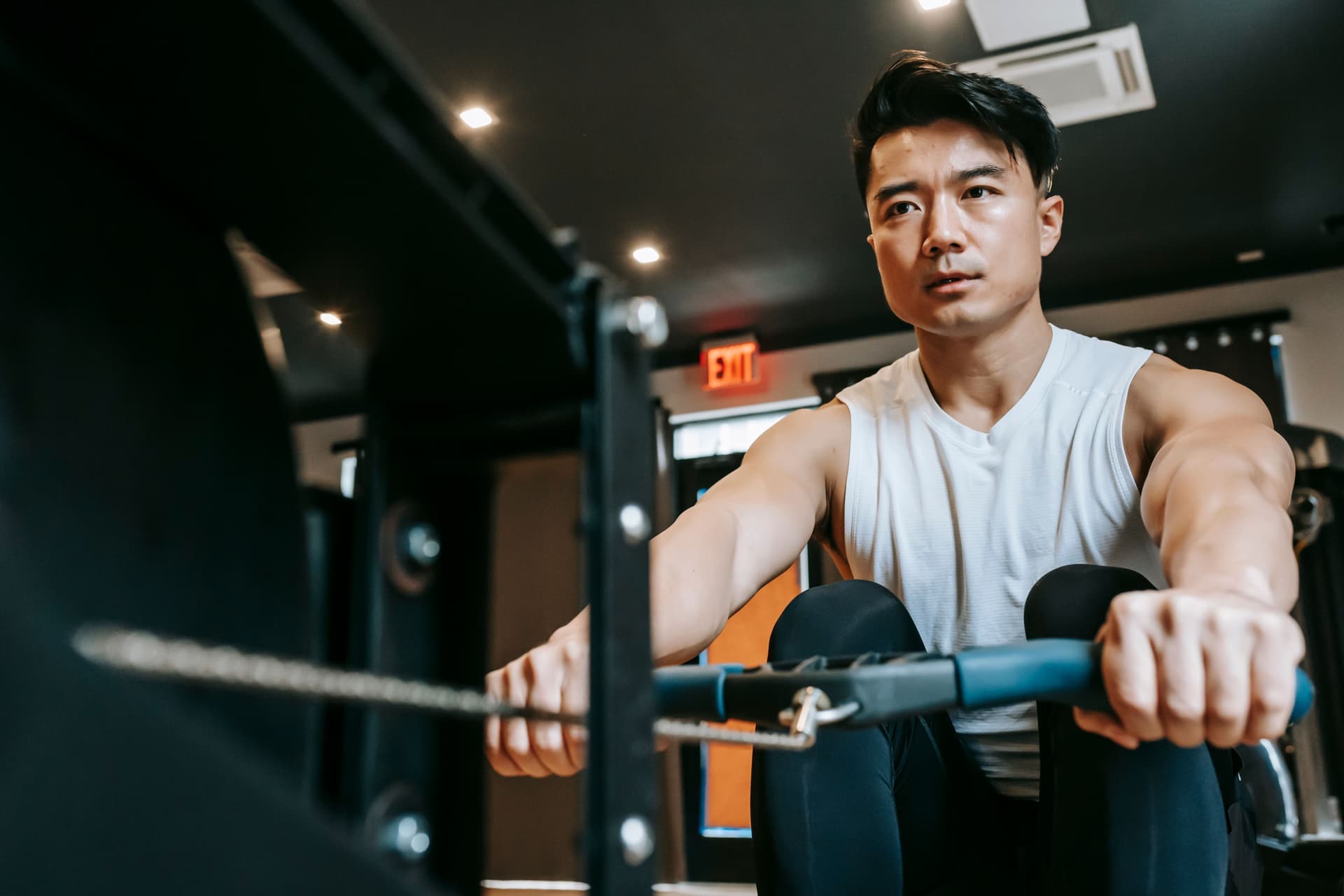
You do not need dedicated rowing shoes, and there is no such thing as an essential rowing shoe the way there is a cycling cleat. But what you put on your feet does affect how well you can drive, and the most common footwear people reach for — a soft, cushioned running shoe — is quietly one of the worst choices for it. The good news is that the better options are things you probably already own, or no shoes at all. Here is how to think about it.
The short answer
For most people, the ideal rowing shoe is a flat, firm-soled trainer — the kind of low, hard-soled shoe you would wear for lifting, a court sport, or just walking around. On a machine with foot cradles and straps, rowing in socks or even barefoot also works well and is a favorite of many experienced rowers. The one setup to avoid is a thickly cushioned, soft-heeled running shoe, because the very thing that makes it good for running works against you on a rower. You can absolutely row in whatever is on your feet, but if you have a choice, reach for firm over soft.
Why running shoes are the wrong shoe
The drive on a rower is a hard press against a fixed footplate. Everything you push into that plate should travel straight back through your legs into the flywheel — that is the power of the stroke. A running shoe is built to do the opposite: its thick, soft, cushioned sole is designed to compress and absorb force so your joints do not take the impact of each footstrike. On a rower there is no impact to absorb; instead, that squishy sole soaks up part of every drive, so some of your leg power is lost compressing foam instead of moving the handle. A soft, high heel also makes the foot less stable on the plate, so the platform you are pressing from feels vague and wobbly. It still works — you will not hurt yourself — but it makes the stroke feel mushy and slightly weaker.
What a good rowing shoe looks like
The qualities that matter are simple, and none of them cost much.
- A flat, firm sole. You want minimal cushioning so your leg drive transfers directly into the footplate with nothing squishy in between. Flat lifting shoes, minimalist trainers, and hard-soled court or skate shoes all qualify.
- A low, stable heel. A low heel-to-toe drop keeps the foot flat and planted on the plate, which is a more stable, powerful base than a built-up running heel.
- A secure fit. The shoe should sit snugly so your foot presses as one unit rather than sliding around inside it. That is more about a firm platform than about laces.
You do not need to buy anything for this. Most people already own a pair of flat trainers, canvas shoes, or old court shoes that fit the bill perfectly. Dedicated rowing shoes exist for competitive athletes, but for home training they are firmly optional.
Barefoot or in socks
Rowing barefoot or in socks is popular for a reason: with nothing between your foot and the plate, the connection is as direct as it gets, and many people find they can feel their drive and press through the whole foot more clearly. It works because of how rowers hold your feet — the foot cradle and strap do the securing, not the shoe. The catch is grip and comfort. On a bare plastic footplate, sweaty bare feet or smooth socks can slip if the straps are loose, so the straps need to be snug. Some plates also have hard edges or textures that are more comfortable with a sock or thin shoe than against bare skin. If barefoot feels good and secure on your machine, it is a perfectly valid choice; if your feet slide or the plate is uncomfortable, a flat shoe solves both.
How the foot straps hold you
The reason footwear is flexible on a rower is that the machine, not the shoe, keeps your feet in place. Nearly every rower has a pair of adjustable footplates with heel cups and straps across the top of the foot; you set the strap over the ball of the foot and cinch it so your foot stays put through both the drive and the recovery, when your legs pull the seat back toward the catch. Get the strap height and tightness right and your feet feel locked in whatever is on them; get it wrong and even the best shoe will let your heel lift and slide. It is worth setting up properly once — the foot-straps setup guide walks through it, and driving well from that base is covered in the form guide.
When dedicated shoes actually matter
For everyday home rowing, they rarely do. The cases where a firmer, more deliberate shoe earns its place are narrow: hard interval sessions and time trials, where you are driving with maximal force and every bit of lost power in a soft sole is a bit of lost speed; very long sessions, where a stable, comfortable platform reduces foot fatigue and hot spots; and shared gym machines, where you may prefer a shoe to bare skin on a plate other people use. If you row casually for fitness, none of this is a reason to buy anything — a flat pair you own, or bare feet, covers it.
The verdict
Do you need shoes for a rowing machine? No — you need a stable base for the drive, and there are three good ways to get one: a flat, firm-soled shoe you probably already own; socks on a well-strapped footplate; or bare feet if the plate is comfortable and the straps are snug. The only choice to steer away from is a soft, thickly cushioned running shoe, which absorbs part of every drive and leaves the stroke feeling mushy. Set the foot straps properly, pick firm over squishy, and your feet will do their job without you thinking about them.
Straight answers
Questions people actually ask
Do you need special shoes for a rowing machine?
No. There are no essential rowing shoes for home training. The ideal is a flat, firm-soled shoe you likely already own - a lifting shoe, minimalist trainer, or hard-soled court shoe. On machines with foot cradles and straps, rowing in socks or barefoot also works well. The only setup to avoid is a soft, thickly cushioned running shoe.
Why are running shoes bad for rowing?
The drive is a hard press against a fixed footplate, and a running shoe's thick, cushioned sole is designed to compress and absorb force. On a rower there is no impact to absorb, so that soft sole soaks up part of every drive - power that should have moved the handle - and the built-up heel makes the foot less stable on the plate. It works, but the stroke feels mushy and slightly weaker.
Can you row barefoot or in socks?
Yes, on machines with foot cradles and straps, which hold your feet regardless of footwear. Many rowers prefer the direct connection of bare feet or socks. The main thing is grip: on a bare plate, sweaty feet or smooth socks can slip if the straps are loose, so cinch the straps snug. If your feet slide or the plate is uncomfortable, a flat shoe fixes both.
What kind of shoe is best for a rowing machine?
A flat, firm-soled shoe with a low heel and a secure fit. You want minimal cushioning so your leg drive transfers straight into the footplate, and a stable, planted foot rather than a built-up running heel. Flat lifting shoes, minimalist trainers, and hard-soled court or skate shoes all work, and most people already own something suitable.
Do the foot straps keep my feet in place?
Yes - the machine holds your feet, not the shoe. Nearly every rower has adjustable footplates with heel cups and a strap over the top of the foot. Set the strap over the ball of the foot and cinch it so your foot stays put through both the drive and the recovery. With the straps set right, your feet feel locked in whatever you wear.
Show your working
Sources
- Concept2 — Compare indoor rowers (official specifications)Accessed 2026-07-24. https://www.concept2.com/indoor-rowers/compare
- WaterRower Natural Ash - water rower with foot cradles, Amazon listingAccessed 2026-07-24. https://www.amazon.com/dp/B0053BMWWU?tag=t5fitness-20
- Row & Recover - how we pickAccessed 2026-07-24. https://rowandrecover.com/methodology
Keep going