Training
Steady-State Rowing: The Base Everyone Skips
The easy, conversational miles that build the engine everything else runs on.
We earn a commission if you buy through the links on this page, at no cost to you. It has no effect on what we recommend or the order we recommend it in — we say “skip this one” on machines that pay us the same as the ones we like. How we’re funded.
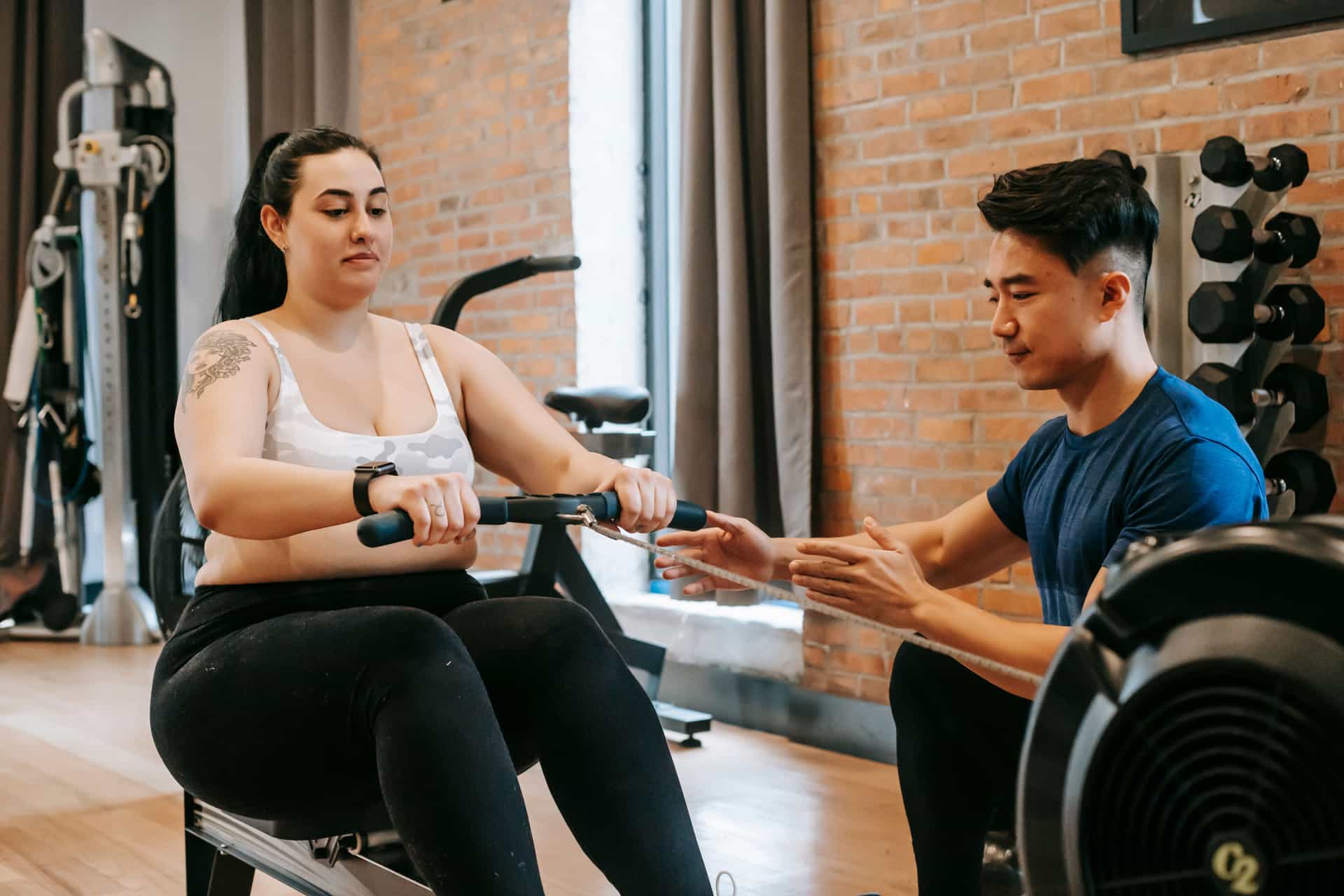
Steady-state rowing is the least glamorous and most undervalued kind of training there is: long, easy, conversational-pace rowing done at an effort that feels almost too gentle to be doing anything. It is the base that endurance athletes build everything else on, and it is the exact type of session most recreational rowers skip, because it does not feel hard enough to “count.” That instinct is backwards. This guide explains what steady-state is, why most of your rowing should be this easy, and how to judge the effort honestly without leaning on numbers. It is general fitness information, not medical or coaching advice; if you have a condition or injury, check with a professional before starting a routine.
What steady-state means
Steady-state is exactly what it sounds like: rowing at a steady, sustainable, low-to-moderate effort for an extended stretch, without the surges of interval work. It is often called zone-two or aerobic base work, and the defining feature is that it is easy — easy enough to hold for a long time, easy enough to talk through, easy enough that you finish feeling worked but not wrecked. There are no sprints, no all-out efforts, and no clock to beat. The pace is comfortable and the stroke is relaxed, and that is the point, not a shortcoming.
The conversational-pace test
The most reliable way to gauge steady-state effort needs no equipment at all: the talk test. At the right intensity you should be able to hold a conversation in full sentences, a little breathless but not gasping. If you can only manage a few words at a time, you are going too hard for true steady-state; if you could comfortably sing, you might nudge it up slightly. This simple check is more useful to most people than any gadget, because it responds to how you actually feel on the day — tired, well-rested, hot, cold — rather than a fixed target. Effort you can talk through, sustained for a while, is the whole recipe.
Why most of your training should be easy
This is the part that surprises people: for building endurance, the majority of your rowing should be easy, with only a smaller portion done hard. Piling on hard sessions feels productive, but it mostly leaves you tired, sore and stalled, because there is no easy aerobic base underneath to support the hard work or to recover from it. Steady-state builds that base — the aerobic engine that lets you hold pace in a 5K, recover between intervals, and keep going in a 10K— and it does so at a cost your body can absorb day after day. The hard sessions sharpen the top of your fitness; the easy ones build the foundation the whole thing stands on.
Stroke rate for steady-state
Steady-state is rowed at a low stroke rate, usually somewhere around eighteen to twenty-two strokes per minute, with a long, unhurried stroke and a relaxed recovery. The low rating is deliberate: it forces you to move the flywheel with a strong, patient leg drive rather than by spinning the handle quickly, which is both more efficient and easier to sustain. A slow, controlled recovery — taking your time on the slide back to the catch — is what makes the low rate feel natural. If your rating creeps up, you are probably working harder than steady-state intends. The stroke-rate guide explains the relationship between rate and power.
How long and how often
Steady-state sessions are typically longer than hard ones precisely because they are easy — anywhere from twenty minutes to well over an hour, depending on your fitness and the time you have. Because the effort is gentle, you can do it often, several times a week, and it should make up the bulk of your rowing. The guides on how long you should row and how often you should row put some structure around it. The general shape most endurance rowers follow is a lot of easy work and a little hard work, not an even split and certainly not all-hard.
The discipline of going slow
The hardest thing about steady-state is not physical — it is resisting the urge to speed up. Holding an easy pace when you feel good takes real discipline, because every instinct says to push, and a monitor showing a pace that feels lazy can nag at the ego. But the moment a steady-state row turns into a moderate grind, it stops doing its job and starts adding fatigue without adding much fitness. Letting the easy days be genuinely easy is what allows the hard days to be genuinely hard. Rowers who blur the two — making every session medium — tend to plateau, tired all the time and never truly fresh.
A note on heart rate
If you use a heart-rate monitor, steady-state corresponds to a comfortable aerobic zone, and the heart-rate training guide covers how to work with those zones. The important caveat is that personal heart-rate ranges vary widely from person to person, so there is no single correct number to chase, and quoting one as a fact would be misleading. If you do not have a monitor, you are not missing much — the talk test gets most people to the right effort just fine. Either way, treat the readings as a guide, not gospel, and let how you feel have the final word.
How steady-state fits with the hard stuff
Steady-state is not the whole of training; it is the foundation the rest sits on. A sensible week for most people is mostly easy steady rowing with one or two harder sessions folded in — a HIIT workout, a pyramid, or a paced piece — on top of the base. Done that way, the easy work makes you fitter and fresher, and the hard work has somewhere to build from. Any machine can deliver a good steady-state session, since it asks nothing exotic of the hardware; what helps most is a comfortable seat and a smooth, quiet stroke for the longer sessions, which is worth keeping in mind whether you are looking at the Concept2 RowErg or something friendlier on the budgetend. The base is what everyone skips — and building it is the most reliable way to get better.
Straight answers
Questions people actually ask
What is steady-state rowing?
It is rowing at a steady, easy, sustainable effort for an extended stretch, without the surges of interval work - often called zone-two or aerobic base training. The defining feature is that it is genuinely easy: comfortable enough to hold a conversation and to sustain for a long time. It builds the aerobic base that supports every harder session.
How do I know if I am rowing at the right steady-state effort?
Use the talk test. At the right intensity you can hold a conversation in full sentences, a little breathless but not gasping. If you can only get a few words out, ease off; if you could sing comfortably, you can nudge it up. This simple check adapts to how you feel on the day and needs no equipment at all.
Why should most of my rowing be easy?
Because the easy aerobic base is what lets you recover, hold pace and absorb hard training. Piling on hard sessions without that base mostly leaves you tired, sore and stalled. A mix of a lot of easy work and a little hard work builds fitness your body can sustain, whereas making every session medium tends to lead to a plateau.
What stroke rate is steady-state rowing?
Usually a low rate, somewhere around eighteen to twenty-two strokes per minute, with a long stroke and an unhurried recovery. The low rating forces a strong, patient leg drive rather than spinning the handle quickly. If your rate creeps up, you are probably working harder than steady-state intends and drifting toward a moderate grind.
Do I need a heart-rate monitor for steady-state rowing?
No. A monitor can help if you like data, but personal heart-rate ranges vary so much that there is no single correct number to chase, and the talk test gets most people to the right effort without any device. If you do use one, treat the readings as a guide rather than gospel and let how you feel have the final say.
Show your working
Sources
- Concept2 - Compare indoor rowers (official specifications)Accessed 2026-07-24. https://www.concept2.com/indoor-rowers/compare
- Row & Recover - how we pickAccessed 2026-07-24. https://rowandrecover.com/methodology
- Concept2 RowErg - Amazon listingAccessed 2026-07-24. https://www.amazon.com/dp/B00NH9WEUA?tag=t5fitness-20
Keep going
Read next
- Cold therapy after rowingIce baths after training, and the honest evidence.
- Heart-rate trainingHow training zones map onto easy and hard rowing.
- The 10K rowThe long endurance piece steady-state prepares you for.
- How often should you row?Fitting easy and hard days into a sensible week.
- Rowing machine HIIT workoutThe hard sessions the easy base supports.