Value on a rowing machine comes down to a short list of things that actually matter, and a long list of things that do not. Ignore the marketing numbers — the invented “peak resistance” figures, the flywheel weights quoted without context — and weigh these instead.
A stroke you will keep using. The best value machine is the one you do not abandon. Air and water resistance build the harder you pull, which most people find more satisfying over time; magnetic is quiet and consistent and perfect for a flat. Hydraulic is the cheapest to buy and the first to be abandoned, which makes it rarely the best value even when it is the lowest price. The resistance types compared is the place to start if you are unsure which suits you.
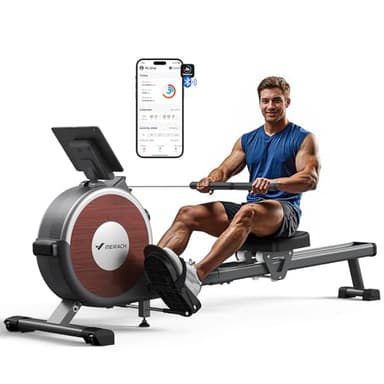
Published figures instead of silence. A machine whose maker prints its weight capacity, its user-height ceiling and its dimensions is telling you it has nothing to hide, and it is giving you the information to know it fits you. That candour is itself value, because the alternative is guessing. The MERACH Q1S is the standout here for a budget machine, publishing a 350 lb capacity and a 6 ft 7 in height limit where rivals print nothing.
No subscription, or an optional one.This is the biggest hidden lever on long-term value. A machine you own outright keeps getting cheaper per session forever; a machine with a required monthly fee never does. Every pick on this page either has no subscription at all or treats its app as a free extra — none of them holds your rowing hostage behind a paywall.
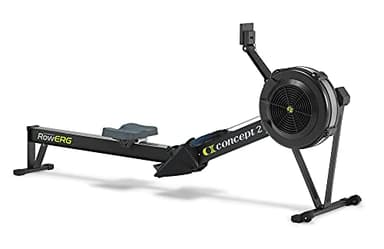
A frame and a parts chain that last. A machine that survives a decade is better value than two machines that each last five years, and a machine you can buy spare rollers and chains for is one you can keep alive. This is where the Concept2 RowErg quietly wins the whole category: a premium-grade air rower at a mid-tier price, a 500 lb capacity, a five-year frame warranty, no subscription, and a parts supply that still serves machines from the 1990s. It is not the cheapest machine here, and it is the best value one, because almost nothing about it will need replacing.
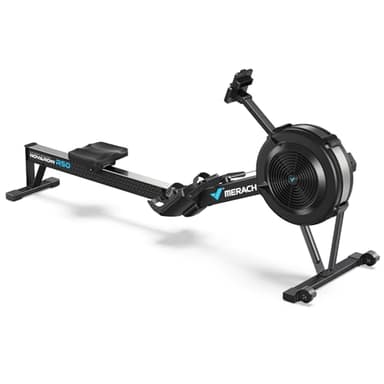
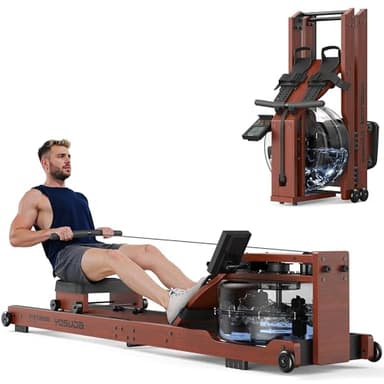
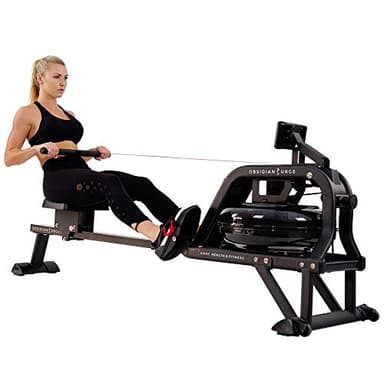
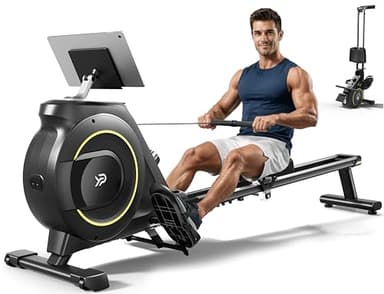
Below the RowErg, value gets more specific. The MERACH R50 Pro delivers a full-size, Concept2-style air stroke for roughly half the money, trading away only the decades of parts support. The YOSUDA wooden water rower gives you a genuine water stroke, a 400 lb capacity and a fold-flat frame at a fraction of a hand-built WaterRower’s price. The Sunny Obsidian Surge puts water resistance and an unusually high 17-inch seat at about a quarter of a wooden rower’s cost, in steel rather than ash. And the YPOO rower is the spec-sheet value play: a stated 99 lb of achievable resistance and a 350 lb frame at one of the lowest prices on the site, if you are willing to bet on a less established brand for long-term parts.
The honest thread through all of them: the best value pick is the one that fits your body, your room and your budget and then asks nothing more of you. Match the machine to how you will actually row — quietly in a flat, hard in a garage, gently to rehab a habit — and buy the one that does that job without a monthly fee. That is value, and it rarely means the cheapest box on the shelf.