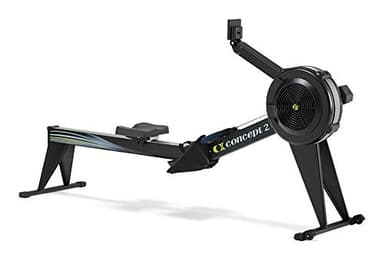
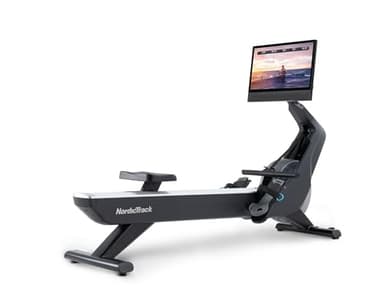
Four criteria decide this tier, in this order. They are deliberately not the criteria that decide a budget page — at this price nobody is omitting a weight capacity to save money, so the published-figure test that sorts cheap rowers no longer separates anything. Here is what the makers publish about the six picks.
Published resistance type, overall length, user capacity, monthly subscription and mains-power requirement for the six picks on this page| Machine | Resistance | Length | User capacity | Subscription | Needs mains power |
|---|
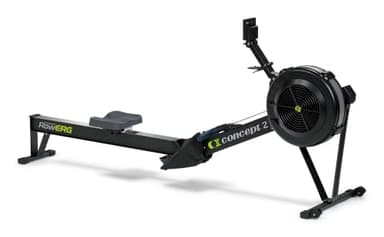
| Concept2 RowErg | air | 96 in | 500 lb | None | No |
|---|
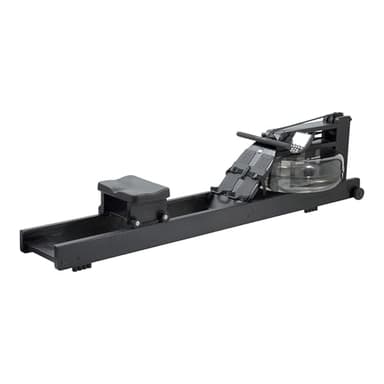
| WaterRower Natural (Ash) | water | 82 in | Not published | None | No |
|---|
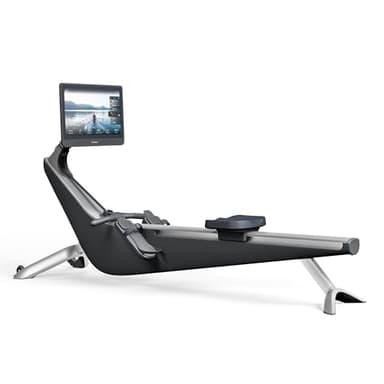
| Hydrow Origin | magnetic | 86 in | 375 lb | $50/mo | Yes |
|---|
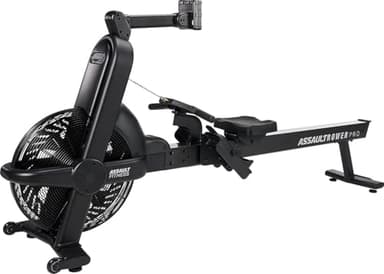
| Assault Fitness AssaultRower Pro | air | 92 in | Not published | None | No |
|---|
| Concept2 RowErg with Tall Legs | air | 96 in | 500 lb | None | No |
|---|
| NordicTrack RW900 | magnetic | 80 in | Not published | $39/mo | Yes |
|---|
1. What the subscription does to the price. This is the first criterion and it is not close. Two of the six picks carry a mandatory monthly fee, and at this budget the fee is the larger purchase. Hydrow lists $50 a month, and NordicTrack states on its own listing that a $39-a-month iFIT Pro membership is required to access the connected features — which, on a machine bought for its screen, is most of what you are buying. Run either of those out over five years and the recurring cost exceeds the sticker price of the RowErg sitting at the top of this page with no fee at all. That is not an argument against connected rowers; plenty of people use the classes and get their money back in adherence alone. It is an argument for doing the arithmetic before you buy rather than after, and the subscription comparison does it for every brand we cover.
2. Whether the resistance has a ceiling. Air and water resistance scale with how hard you pull — there is no dial and no top end, because the mechanism is physics rather than a setting. Magnetic resistance is set before you start and stays there; pulling harder moves the handle faster rather than making the machine push back harder. Four of the six picks are air or water for exactly that reason. The two magnetic machines earn their places on the screen and the adjustability instead, and both say so in their own cons. If you have not met this distinction before, it is the single most useful thing to understand about buying a rower: air vs magnetic sets the two mechanisms against each other, and resistance explained covers all four types.
3. Where the machine lives when you are not on it. At this price the floor-space question gets sharper, not softer, because the good machines are the long ones. The RowErg is 96 inches in use and Concept2 recommends a 9 ft by 4 ft footprint; the AssaultRower Pro is 92 inches; the Hydrow Origin is 86 inches and 145 lb, which makes it a permanent installation rather than something you tidy away on a Sunday. The WaterRower Natural is the outlier, and it is why it is on this page: it stands on end when you are done, with a stored footprint of roughly 22 by 20 inches, and it is built from ash rather than painted steel, which matters when the machine has to share a room you actually use. Measure first — how much space you need is the page to read before you order any of these.
4. Whether the seat height works for your body. The RowErg’s seat sits 14 inches off the floor. That is low — lower than a dining chair by a comfortable margin — and getting up off it under your own power is a real consideration if stiff knees or hips are part of why you are buying a rowing machine at all. Concept2 publishes a tall-legs version at 20 inches, identical in every other respect, and under $2,000 you can simply buy that rather than compromise. Same machine, same 500 lb capacity, same PM5, same absence of a monthly fee, 11 lb heavier and a larger stored footprint. If this is your constraint, see rowing machines for seniors, which is entirely about published seat heights.
What this tier does not buy you
Three things, and they are worth naming because the marketing at this price implies otherwise. It does not buy a quieter air rower — a fan makes broadband noise by design, no manufacturer in this category publishes a decibel figure, and spending more does not change the mechanism. It does not buy a longer warranty across the board: Concept2 publishes five years on the frame, Hydrow publishes one, and the WaterRower Natural listing carries no published warranty term at all. And it does not buy a machine that will make you row. The honest finding on the worth-it page is that the strongest predictor of a rowing machine still being used in year three is whether it sits in a room you walk through, not what it cost.
If you are only here for one sentence
Buy the standard RowErg and keep the change, unless one of four things is true: the machine has to live in your living room, in which case buy the WaterRower Natural and stand it on end; you want a class library on a built-in screen, in which case buy the Hydrow Origin with the membership in your budget from day one; you cannot comfortably stand up off a low seat, in which case buy the tall-legs RowErg; or you train almost entirely in hard intervals and want a frame specified for commercial abuse, in which case buy the AssaultRower Pro. The NordicTrack RW900 is on the list for people who specifically want digital resistance that changes mid-workout, which is a real preference and the only thing here that offers it.
If none of that fits because your budget is tighter than the headline suggests, the tier below is better value than this one and we say so on its own page: rowing machines under $1,500. If what you actually want is a machine that talks to the app on your phone rather than one with a screen bolted to it, that is a different and considerably cheaper question — Bluetooth rowing machines covers which machines publish what their monitors broadcast.