Start with your room, not the brand
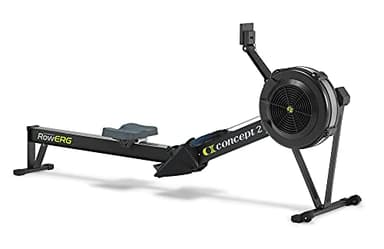
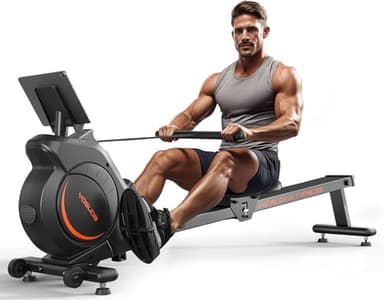
Before anything else, measure. The number a manufacturer prints for length is the machine in use; it is not the floor space you need, which has to include room to sit down at the catch and clearance behind you at the finish. The Concept2 RowErg is 96 inches long and its maker recommends a footprint around 9 feet by 4 feet — not an apartment-corner machine. A YOSUDA at 57.9 inches is a different proposition entirely.
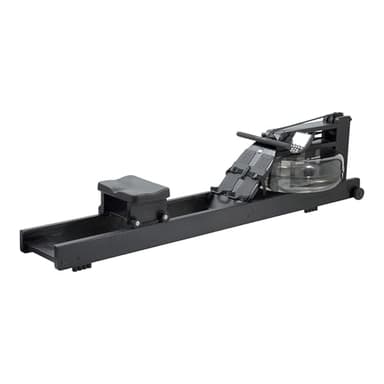
Then ask where it goes when you are done, because that decides whether you keep using it. Three storage styles exist here. The Concept2 separates into two pieces in seconds, and both stand upright. The WaterRower Natural stands on end in about two square feet and looks like furniture while it does. The magnetic machines — YOSUDA, MERACH, Sunny — tip up onto a base wheel. A rower you have to walk around all day is a rower you resent; a rower that tucks away is one you keep. Our space guide covers the measuring math in full.
The buy-once case
For a home you intend to use for years, the strongest value argument is a durable machine with no subscription attached. The Concept2 RowErgis our best overall for a home for exactly this reason: a 500-pound capacity, the PM5 monitor the whole sport uses, a five-year frame warranty, and no membership ever — the ErgData app is free. The WaterRower Natural makes the same case in wood: hand-built ash, a self-contained S4 monitor, and no subscription.
Neither is cheap up front, and we will not pretend otherwise. But over a five-year horizon a buy-once machine can cost less than a budget machine plus a monthly membership, because the membership never stops. Run your own numbers against our five-year cost page, and see the no-subscription list for every machine here that carries no ongoing cost at all. If you already know you never want a bill after checkout, start there.
The budget that actually works
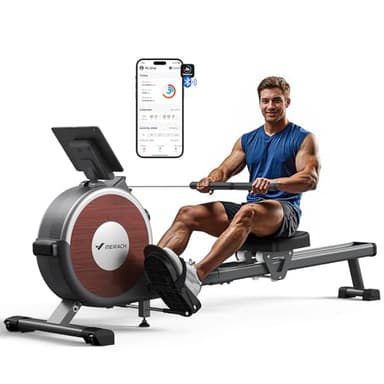
Not everyone should spend Concept2 money, and for a first machine you often should not. If you are testing whether rowing will become a habit, around $200 buys enough machine to find out. The MERACH Q1S is our best budget home pick because it is honest where cheap machines are vague: it publishes a 350-pound capacity, users up to 6 feet 7 inches, 16 magnetic levels and no subscription. The YOSUDA is the small-home budget pick — the shortest full-stroke machine here and light enough to move alone.
The honest caveat on budget magnetic machines is the top end: the resistance does not build with your stroke rate the way air does, so hard interval efforts feel capped. For steady low-impact cardio that is fine; for serious training you will outgrow it. Our budget list and the under-$500 picks compare the sub-$350 field on the numbers their makers are actually willing to publish.
Quiet for a shared home
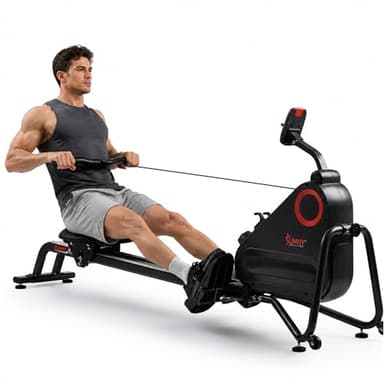
If someone sleeps, works or watches television within earshot of the machine, buy magnetic. It is near-silent — a dial sets the resistance and there is no fan — which is why it dominates every quiet list. The Sunny Dual-Rail is our quietest pick for a shared home: its dual rails are covered, and the covers are doing acoustic work, not just tidying the look. It also publishes a 50-inch rail, long enough for a full leg drive on most adults, which is unusual candor at its price.
Water rowers are the pleasant middle — a low whoosh rather than a mechanical sound. Air rowers like the Concept2 are the loud end; the resistance is a fan and it carries through walls. No manufacturer in this category publishes a decibel figure, so we quote none and neither should anyone else. The quiet rowers list ranks the near-silent field in depth.
Guided classes at home, and their real cost
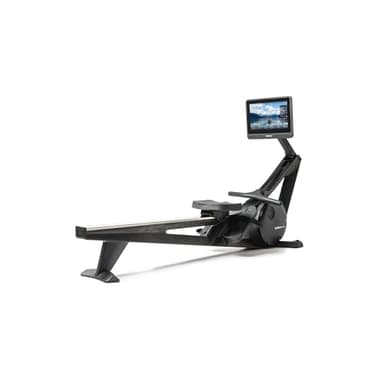
If a coach on a screen is what will keep you rowing, the Hydrow Wave is our pick for guided home classes: near-silent electromagnetic resistance, a 16-inch touchscreen, 19 inches wide so it fits rooms a Concept2 cannot, and upright storage. For the right person, classes are the difference between a machine used daily and a machine used as a coat rack.
The cost is where connected rowers demand clear eyes. The machine is only the down payment; the membership is the real price, and across connected brands it runs roughly $29 to $50 a month. Hydrow’s is about $50, which is around $3,000 over five years — more than most machines on this page cost outright — and without it you are left with a heavy magnetic rower and a dark screen. That can absolutely be worth it if you will use the classes; it is a poor deal if you will not. Compare the screens and the fees on our connected rowers list before you commit.
So which one for your home
The honest summary: the best home rowing machine is the one you keep using, and storage and noise decide that more reliably than any performance spec. For most homes that want one machine for years, the Concept2 RowErg is the answer — just make sure you have the floor for it. For a first machine on a budget, the MERACH Q1S; for a small room, the YOSUDA; for a living room, the WaterRower Natural; for a shared, sleeping household, the Sunny Dual-Rail; and for guided classes, the Hydrow Wave with the membership counted in. Match the pick to your room, your budget and your appetite for a monthly bill, and you will not go far wrong.