Two numbers, and whether the maker prints them
Weight capacity and fit are separate requirements and a good machine for a large rower has to satisfy both. Capacity is about the frame carrying you safely. Fit is about the rail being long enough that your legs reach full extension before the seat runs out — a short rail forces a tall rower to finish the stroke early and compensate with the back, no matter how strong the frame is.
The reason to weight published figures so heavily is that the alternative is guessing. We will not estimate a capacity a maker declines to state, so on this page a stated number counts for a great deal. It is evidence the frame was rated, and it is the manufacturer putting its name to the load. Fit and floor space are worked through in full here.
Published weight capacity, ranked
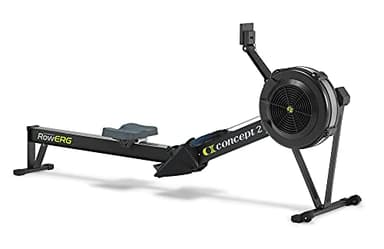
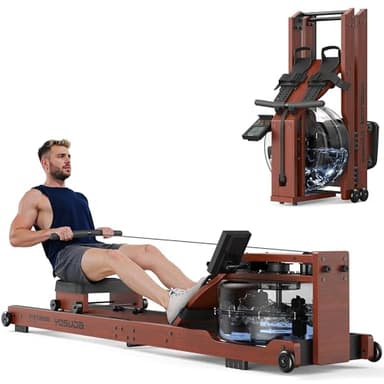
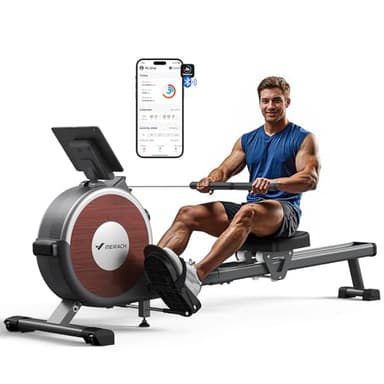
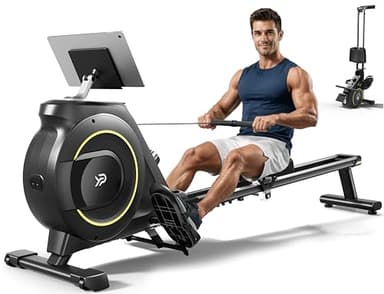
By stated capacity the order is clear. The Aviron StrongGo publishes 507 lb, the highest figure we have found on any machine. The Concept2 RowErg publishes 500 lb, and it is the highest among the subscription-free machines and the one most heavy rowers should look at first. The YOSUDA wooden water rower publishes 400 lb, and the MERACH Q1S and YPOO both publish 350 lb.
Two picks here publish no capacity at all, and it is only fair to name it. The Sunny long-rail machine does not state one, and neither does the frame silence on many budget models — which is exactly why it is included for rail length rather than for load. If your weight is near any reasonable ceiling, buy from the machines that print a number.
Published height and rail length, ranked
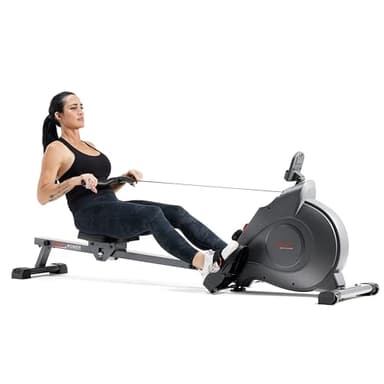
For a tall rower the fit numbers matter as much as capacity, and here the budget machines punch above their price. The Sunny Extra Long Rail model publishes a 48-inch rail, 44 inches of inseam clearance and a fit up to 6 ft 8 in — the most complete tall-user disclosure on the site, which is why it is the longest-rail pick despite not stating a capacity. The MERACH Q1S publishes a 6 ft 7 in fit on a dual rail, and the YOSUDA water rower publishes a 6 ft 6 in fit alongside its 400 lb capacity.
The Concept2 is 96 inches long with a full-length monorail, and its headline number for larger rowers is the published 500 lb capacity rather than a stated height. If you are very tall, measure your inseam against the rail rather than trusting a height figure — proportions vary enough that height alone will mislead you.
The highest capacity, and its catch
The Aviron StrongGo carries the highest published capacity on the site at 507 lb, on a hybrid air-and-magnetic frame that offers up to 100 lb of resistance — genuinely generous for a strong, heavy rower who wants a ceiling that is hard to reach. It is 105 lb of machine and it accepts your own iPad for its content.
The catch is the subscription. Aviron’s content requires a membership of around $29 a month (about $24 a month billed annually), and it needs mains power. So the highest-capacity machine on the site is also a connected one with a recurring cost, where the Concept2 gives you 500 lb with no subscription at all. For most heavy rowers that makes the Concept2 the better default, and the Aviron the pick only if you also want the connected content.
The budget picks that still publish real numbers
You do not have to spend Concept2 money to get honest numbers. The MERACH Q1S at around $190 publishes a 350 lb capacity and a 6 ft 7 in fit on a dual slide rail — remarkable disclosure at the price and the budget pick for a tall rower. The YPOO at around $170 publishes a 350 lb capacity and up to 99 lb of achievable resistance on a 46-inch dual rail, making it the most resistance per dollar for a strong rower on a budget. And the YOSUDA water rower pairs a 400 lb capacity with a 6 ft 6 in fit for around $256.
These are not built to Concept2’s durability, and the parts support is not comparable. But they state their numbers and stand behind them, which is exactly what a larger rower should demand. The under-$1,000 page covers where to step up if you want the frame that lasts.
Capacity and fit are not the same requirement
It is worth separating the two needs cleanly, because a machine can satisfy one and fail the other. A heavy but average-height rower is served by capacity: a rated frame that carries the load, where a stated 500 lb or 507 lb figure does the reassuring. A tall but light rower is served by fit: a rail long enough that the legs reach full extension before the seat runs out. A rower who is both needs both numbers, and that is the harder machine to find, because the makers that publish a big capacity and the makers that publish a long rail are not always the same.
That tension is exactly why the picks split the way they do. The Concept2 and the Aviron lead on capacity and are full-length frames besides. The Sunny long-rail machine leads on fit but stays silent on capacity, which is why it is the tall pick rather than the heavy one. The budget machines that publish both a capacity and a height — the MERACH Q1S and the YOSUDA water rower — are valuable precisely because they close the gap between the two requirements at a low price.
So read the two numbers together, in the order your own body dictates. If your weight is the binding constraint, start from a published capacity and do not compromise on it. If your height is, start from a published rail length or inseam clearance. And if both point you toward a frame built to last, the step up is where that frame lives.
One last caution for the tallest rowers: trust an inseam or rail figure over a height figure whenever both exist, because two people of the same height can need very different rail lengths. Measuring your own leg extension against the published rail is a two-minute job, and it is the difference between a machine that fits and one you compromise on for years.